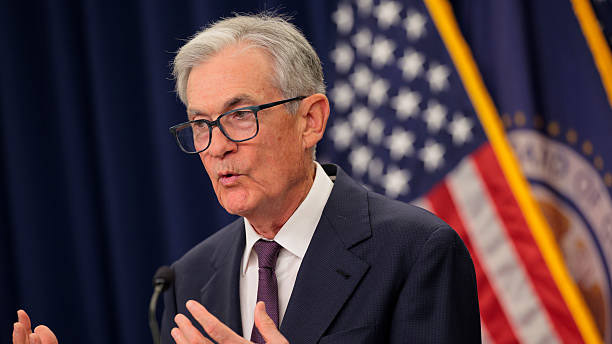
Federal Reserve Chair Jerome Powell stated that inflation remains "somewhat elevated" relative to the Fed's 2% target, despite the Federal Open Market Committee's decision to lower the benchmark interest rate by a quarter percentage point. This indicates the Fed's cautious stance on inflation even as it begins to ease monetary policy.
The Federal Reserve has initiated a monetary easing cycle, lowering the benchmark interest rate by a quarter percentage point. This dovish policy action, which carries a high market impact score of 0.8, is tempered by commentary from Chair Jerome Powell, who noted that inflation remains "somewhat elevated" relative to the central bank's 2% objective. The juxtaposition of a rate cut with persistent inflation concerns indicates a strategic pivot by the Fed, suggesting a willingness to support economic activity even before its inflation mandate is fully achieved. This nuanced stance implies that while the immediate policy direction is accommodative, future decisions will remain highly sensitive to incoming inflation data.
AI-powered research, real-time alerts, and portfolio analytics for institutional investors.
Request DemoOverall Sentiment
moderately positive
Sentiment Score
0.40
