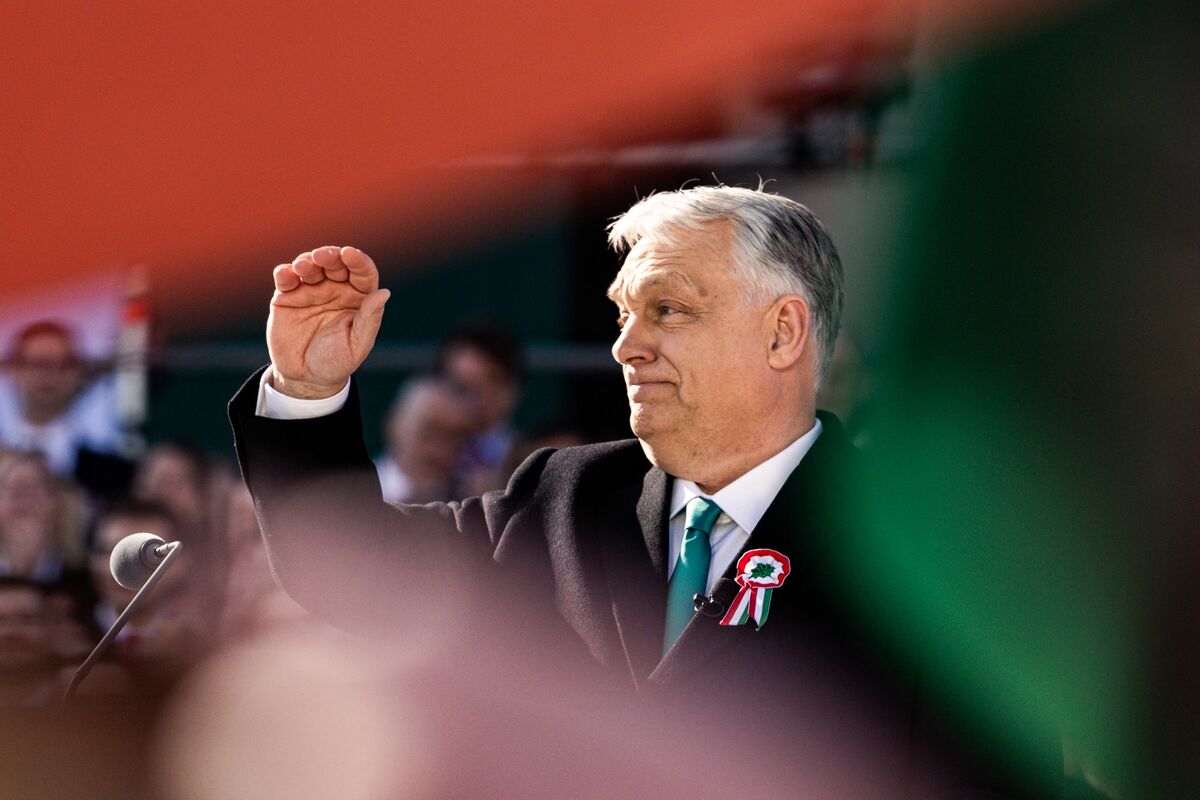
Key event: Hungary's parliamentary vote on Sunday poses the biggest challenge yet to Prime Minister Viktor Orban's 16-year rule. The campaign is focused on impoverished rural villages such as Izsofalva, long hit by coal-mine closures and now viewed as pivotal to the electoral outcome. Orban is mounting a last-ditch effort to retain power as these deprived areas could decide the race.
Targeted pre- and post-election transfers into ultra-poor rural pockets are likely to produce a short, high-multiplier bump in local consumption (groceries, fuel, small-ticket retail and transport) that is mechanically concentrated and temporary — think a 2–4 quarter uplift to local VAT/till receipts rather than a structural revenue base. That dynamic creates a timing mismatch: immediate visible economic relief but financed through either one-off reallocation or higher issuance, which markets will price as increased sovereign tail risk within weeks rather than months. Market mechanics favor FX and credit as the first-line transmitters. A small fiscal loosening equal to a fraction of a percent of GDP, combined with visible deposit reallocation from HUF into EUR among risk-averse households and corporates, could push EUR/HUF materially wider and Hungarian 5–10y yields 30–80bp higher absent offsetting central bank action. The National Bank’s response will determine whether the shock is transitory (market/inflation sterilization) or persistent (policy paralysis leading to higher real yields and CDS spreads). Second-order supply-chain and political effects are underappreciated: if Brussels escalates conditionality over rule-of-law ties, Hungary could face partial curtailment of EU cohesion funds, forcing the state to either cut projects or seek alternative finance (raising costs and politically signaling closer ties to non-EU creditors). That would hurt contractors reliant on EU co-financing and raise input-cost risk for regional construction/materials chains over 6–24 months. Watchables and reversal triggers are explicit: immediate price moves will hinge on the election outcome and any government decree on transfers; medium-term repricing will follow central bank commentary, sovereign issuance schedules, and EU statements on fund disbursement. A credible opposition concession or rapid EU funding reassurance are the quickest means to reverse a negative leg for HUF and sovereign spreads within 1–3 months.
AI-powered research, real-time alerts, and portfolio analytics for institutional investors.
Request DemoOverall Sentiment
neutral
Sentiment Score
0.00
