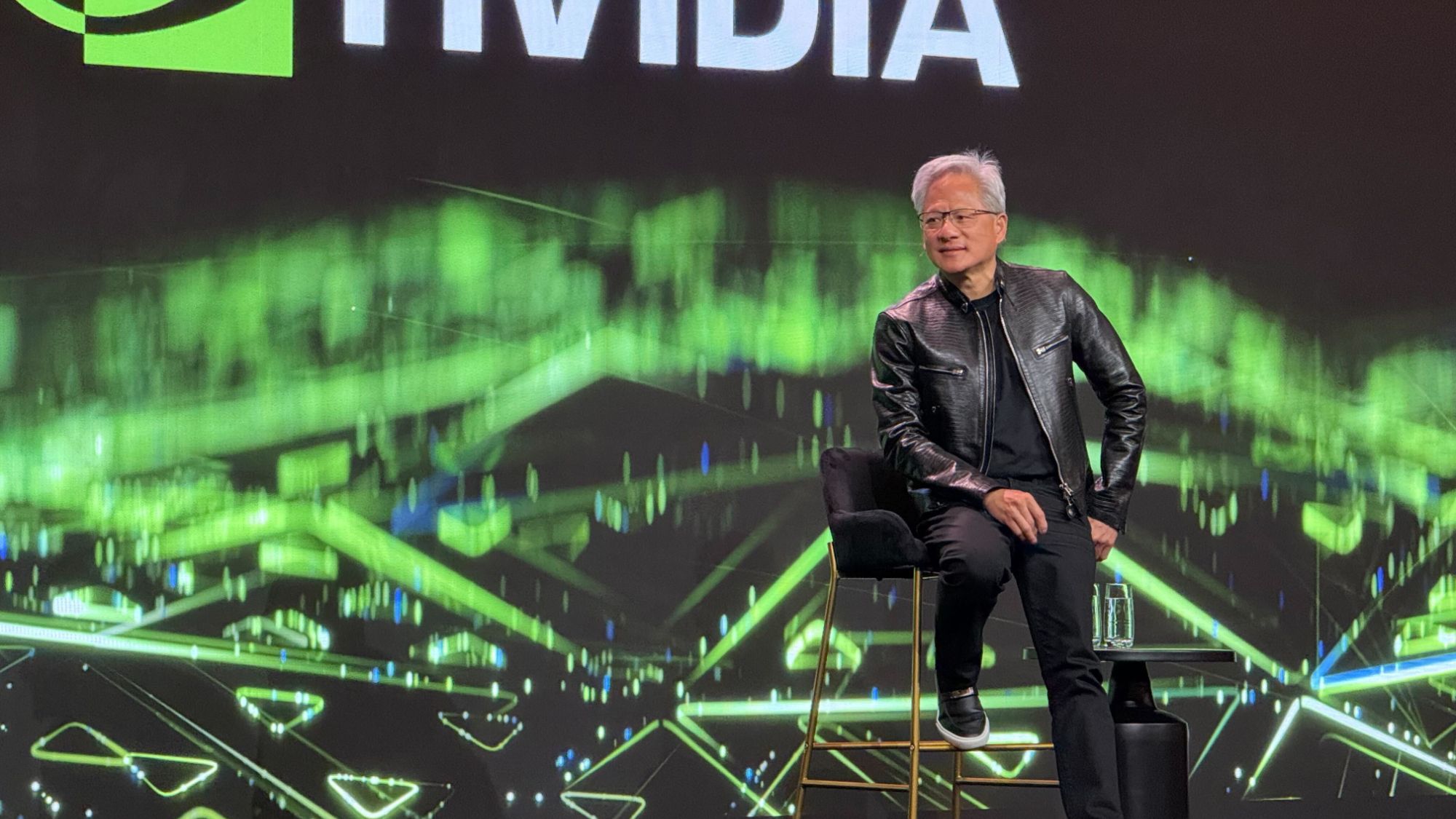
At CES 2026 Nvidia CEO Jensen Huang signaled that the company could consider restarting production of older GPU generations and potentially backporting newer AI-driven features to legacy architectures to ease consumer GPU shortages and high prices. The comments are non-committal but acknowledge supply-side pressure — driven in part by rising DDR5/SSD costs and strong demand for AI datacenter hardware — and indicate engineering work would be required to make older cards viable, leaving the timing and scale of any mitigation uncertain.
Market structure: Resurrecting older GPUs would cap retail ASPs for high-end cards and immediately benefit price-sensitive buyers and second‑tier retailers while hurting NVDA’s consumer gross margin mix; DRAM vendors (MU, SWKS) and legacy-node foundries supplying older silicon would see realized ASP support. Competitive dynamics shift toward AMD and re‑issued products as stop‑gaps — a successful backport from NVDA reduces upside for new‑generation refresh cycles and compresses pricing power across mid/high consumer tiers.
Risk assessment: Tail risks include an AI demand crash (>>30% datacenter spend decline), export controls on AI accelerators, or TSMC capacity reallocation that either floods or starves the consumer channel; these could swing margins ±10–30% for GPU makers. Near term (days–weeks) expect elevated volatility around product/TSMC announcements; short term (3–6 months) the key determinant is whether NVDA/AMD formally announce reissues or driver backports; long term (12–36 months) node ramps should normalize supply and DRAM pricing.
Trade implications / contrarian: Consensus focuses on NVDA’s datacenter upside; the market underappreciates a scenario where legacy reissues blunt consumer ASPs 10–25% for 6–12 months. Tactical plays: play memory tightness (MU) and AMD’s nimble supply response while hedging any long NVDA exposure with short-dated puts or covered-call overlays; catalysts to monitor: NVDA/AMD product statements, TSMC capacity guidance, weekly DRAM ASP data and retail SKU pricing movements.
AI-powered research, real-time alerts, and portfolio analytics for institutional investors.
Overall Sentiment
neutral
Sentiment Score
-0.05
Ticker Sentiment
