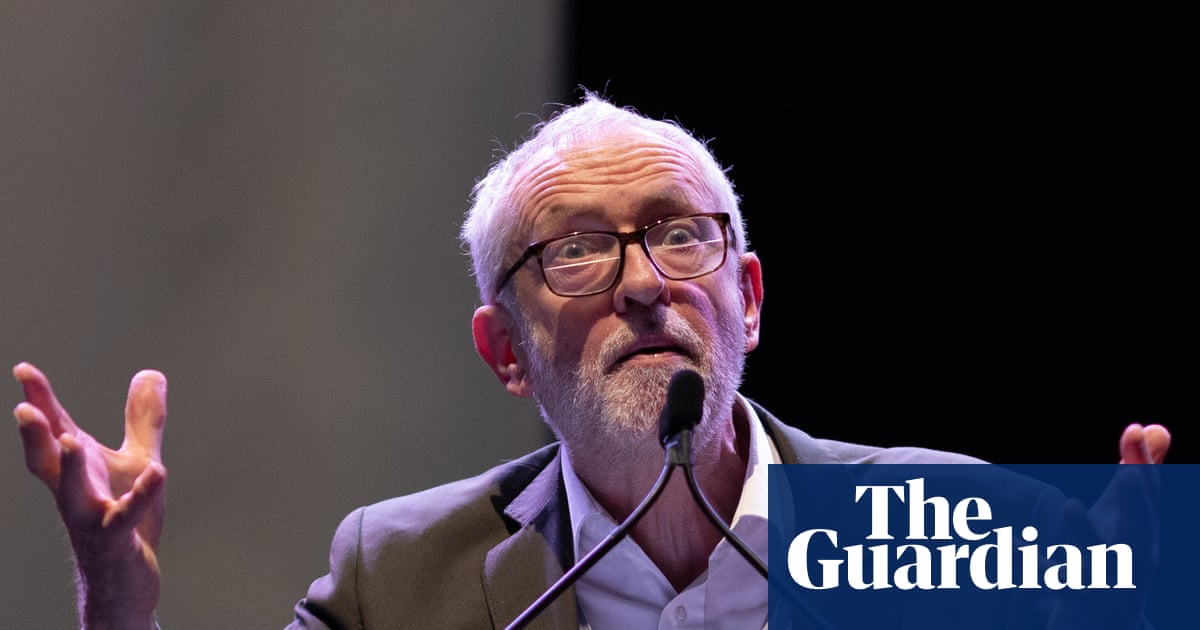
A new left-wing UK party built around Jeremy Corbyn and Zarah Sultana held its inaugural conference with 2,500 delegates and narrowly voted for a collective leadership model while adopting the name 'Your Party'; internal factionalism, expulsions over links to other groups and financial/operational missteps (membership portal and fees reportedly in limbo) left the organisation appearing disordered. Recent YouGov polling suggests roughly 12% of voters might consider the party, but the Zack Polanski-led Green party—now larger in membership than the Conservatives with a reported £4m influx from new members—poses a strategic threat; the new party must clarify policy and candidate-vetting ahead of potential 2026 devolved and local contests to be electorally viable.
Market structure: short-term market impact is small but directional: the Greens’ surge (membership > Conservatives, £4m windfall) increases the political premium on pro-climate policy, benefiting renewable developers, clean-energy ETFs and green infrastructure contractors while fragmenting the hard-left vote that might have pressured mainstream Labour. Your Party’s chaotic launch and collective leadership reduce its near-term electability; polling ~12% interest is headline risk but unlikely to translate to broad market-moving power before 2026 local elections. Consumer-facing, small-cap and domestically-focused retailers face marginal downside risk if fiscal consolidation and tax hikes from Starmer’s budget depress disposable income by 1–2% over 12–24 months.
Risk assessment: tail risks include an unlikely (5–10%) Corbyn-centered shock that makes him a kingmaker in a hung parliament — that would re-price UK sovereign risk and GBP materially (sell-off >150–200bps in 10y gilts). Immediate (days) volatility is negligible; short-term (weeks–months) risks cluster around membership and funding announcements and May 2026 local elections; long-term (quarters–years) outcomes hinge on whether Greens convert membership into votes and whether Your Party fields vetted candidates. Hidden dependencies: donor flows, legal exposures, and candidate vetting capacity; catalysts are membership cash inflows, polling crossing 10–15%, and May 2026 candidate slates.
Trade implications: tactical preferred exposures are concentrated in climate-exposed assets and FX/sovereign hedges: overweight global clean-energy equities (ICLN) and selective UK renewables/utility names (e.g., SSE.L, NG.L) for 6–24 months, financed by underweighting UK domestic small-caps/consumer cyclicals via FTSE 250 short exposure. Hedge political-USD/GBP risk with a 3–6 month GBP put spread targeting a 4–8% downside, and if Greens membership growth slows below +5% monthly net adds, trim green longs. Options: use 6–12 month call spreads on ICLN to limit premium and 3–6 month put spreads on EWU (iShares MSCI United Kingdom ETF) for asymmetric downside protection.
Contrarian angles: consensus underestimates the Greens’ ability to institutionalize cash into local campaign machines — if Greens convert membership into +£10m more donations over 12 months, clean-energy names could re-rate by 10–25%. Conversely, Your Party’s operational chaos may be over-penalized: a stable collective leadership and dual-membership rule could attract niche activists without wide electoral payoff, meaning UK political risk premium is likely overdone today and will recede if national polling stays <10% by Q2 2026. Historical parallel: third-party surges (e.g., UKIP 2014) produced localized but not systemic market shocks; treat this as idiosyncratic political noise unless polling/financing thresholds are crossed.
AI-powered research, real-time alerts, and portfolio analytics for institutional investors.
Request DemoOverall Sentiment
moderately negative
Sentiment Score
-0.35
Ticker Sentiment
