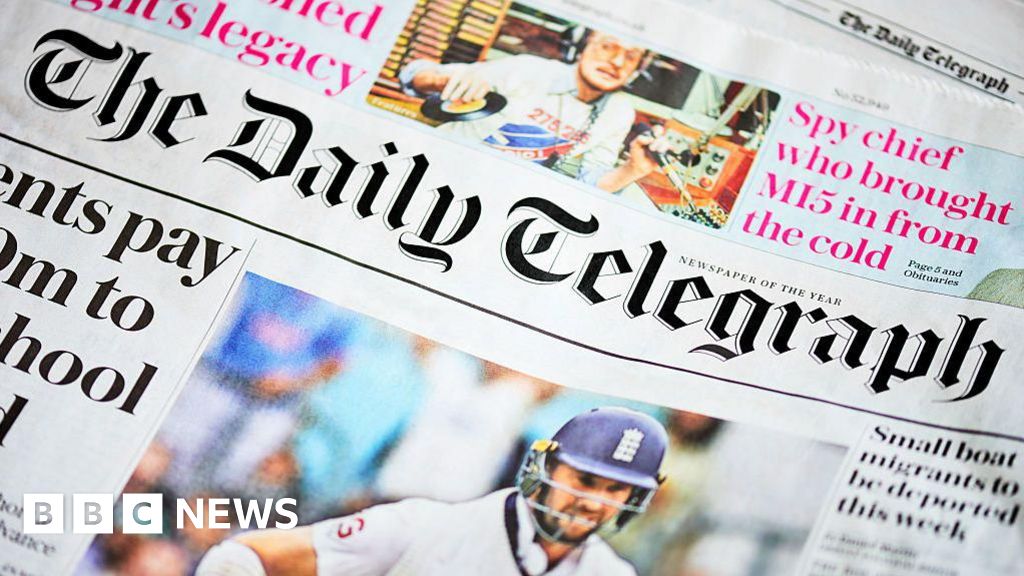
Daily Mail and General Trust has agreed to buy the Daily and Sunday Telegraph for £500m from RedBird IMI, subject to approval by Culture Secretary Lisa Nandy under the public interest and foreign-state influence media merger regimes; DMGT says the funding contains no foreign state capital and that the Telegraph will remain editorially independent. The deal would end more than two years of limbo after RedBird IMI rescued the title’s debts and then pulled out of a standalone bid, fold the Telegraph into DMGT’s portfolio (alongside the Daily Mail, i, Metro and New Scientist), and is likely to draw scrutiny on media plurality and competition even as it promises operational stability and potential newsroom investment.
Daily Mail and General Trust (DMGT) has agreed to acquire the Daily and Sunday Telegraph for £500m from RedBird IMI, with both parties expecting a quick finalisation but subject to sign-off by Culture Secretary Lisa Nandy under the UK public interest and foreign-state influence media merger regimes. The Telegraph has been in limbo for more than two years after RedBird IMI paid off the Barclay family’s debts and RedBird’s standalone bid collapsed last week; DMGT asserts the financing contains no foreign state capital and pledges editorial independence.
DMGT plans to fold the Telegraph into its media portfolio (Daily Mail, Mail on Sunday, i, Metro, New Scientist) and says it will invest in the newsroom and pursue global expansion, which could stabilise operations, accelerate subscriber growth and create cross-title commercial opportunities. RedBird previously cited US expansion potential, indicating strategic upside if DMGT executes similar plans.
Primary near-term risks are regulatory and political scrutiny over media plurality and competition, with calls from MPs and opposition figures for rigorous examination; a negative regulatory outcome or public backlash could delay or scuttle synergies and damage staff and advertiser confidence. The critical catalysts for investors are the Culture Secretary’s decision and any competition authority review as signals for deal completion and integration risk.
AI-powered research, real-time alerts, and portfolio analytics for institutional investors.
Overall Sentiment
mildly positive
Sentiment Score
0.28
