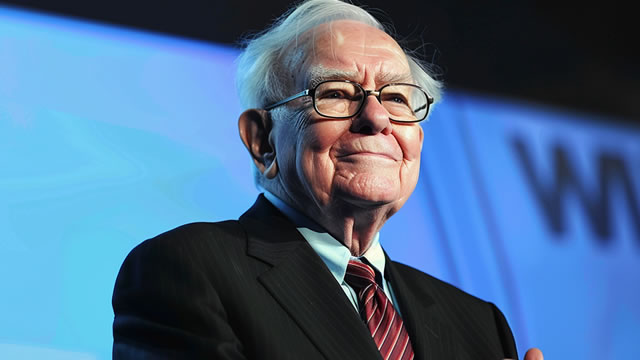
Berkshire Hathaway boosted shareholder returns, repurchasing about $4.5B of its shares while also deploying billions more into investments. The shift under CEO Greg Abel—more operational focus and putting cash reserves to work—signals an early change from Warren Buffett’s final years. Overall, the update is modestly positive for near-term sentiment given the sizeable buyback and reinvestment pace.
The market should read this less as a one-quarter capital-return event and more as a test of whether Berkshire’s excess cash can be converted into a higher sustained ROIC regime under Abel. If investors believe the cash drag is finally being actively managed, the main beneficiary is BRK.B’s conglomerate discount: even a modest rerating matters because the starting base is so large. The flip side is that the stock’s valuation premium to book is partly built on “patient capital” optionality; more frequent deployment can compress that premium if the market suspects lower-quality deal flow.
In the next 1-3 months, the stock reaction is likely driven by signaling, not earnings math. Buybacks at current levels imply management sees shares as the highest-risk-adjusted use of capital versus external opportunities, which is supportive near term; but if the pace is lumpy or stops quickly, the message weakens. Over 6-18 months, the real variable is whether Abel can sustain deployment without eroding Berkshire’s fortress balance sheet or underwriting discipline, because the market will eventually score him on incremental intrinsic value per share rather than capital intensity.
The contrarian read is that consensus may be overpricing a structural shift in style. This could simply be opportunistic buybacks plus a few large placements, not a permanent change in capital-allocation framework; if so, the rerating opportunity is limited. What would falsify the bullish case is evidence that cash deployment drifts into lower-return deals, book-value growth stalls, or buybacks disappear while the share price remains below intrinsic value.
AI-powered research, real-time alerts, and portfolio analytics for institutional investors.
Overall Sentiment
mildly positive
Sentiment Score
0.25
Ticker Sentiment
