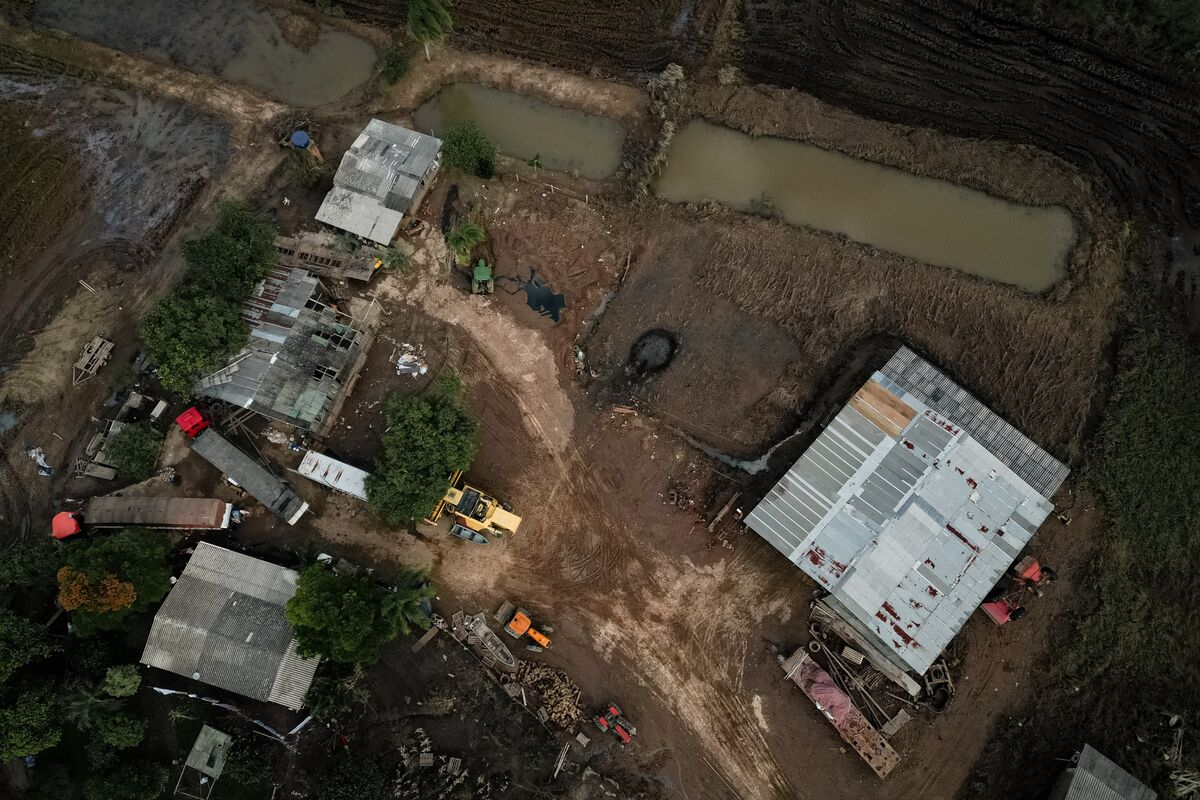
A looming El Niño is set to deepen pressure on Brazilian rice farmers as Rio Grande do Sul, which produces about 70% of Brazil’s rice, expects output to fall 10% to nearly 7.8 million metric tons. The region is already battling years of extreme weather, higher costs, and reduced planting plans, increasing supply-risk concerns for the crop. The article signals a negative outlook for Brazil’s rice sector, but the broader market impact appears limited.
The first-order story is higher domestic rice inflation, but the more interesting second-order effect is balance-sheet damage to the farm economy in Brazil’s south. When a crop region is simultaneously facing lower output and higher input volatility, lenders typically tighten underwriting for the next planting cycle, which can force acreage reductions even if prices later recover. That creates a self-reinforcing supply squeeze: weaker producer liquidity today reduces fertilizer, seed, and irrigation spending tomorrow, making the next harvest even more weather-sensitive.
The beneficiaries are likely import channels and any food retailers with pricing power, while small mills and local processors are the most vulnerable to margin compression. If domestic rice supply falls further, substitution demand should spill into competing staples, lifting relative prices for wheat-based and processed foods in the region before it shows up in headline inflation. Over a 3-9 month horizon, the market should also watch for working-capital stress among ag lenders and input distributors exposed to southern Brazil farm credit.
The key risk is that the market is underestimating how quickly weather shocks can move from a production issue to a financing event. If El Niño intensifies, the next catalyst is not just a worse harvest, but covenant stress, delayed equipment purchases, and possible forced asset sales into year-end. Conversely, a benign weather window into the next planting season would not fully reverse the damage because acreage decisions are typically locked by credit availability, not just agronomics.
The consensus may be too focused on food CPI and not enough on credit transmission. In commodities, one bad crop can be transitory; in leveraged agriculture, repeated bad crops can permanently shrink local supply. That makes this less a one-quarter price spike and more a medium-term structural reset for the region’s rice production base.
AI-powered research, real-time alerts, and portfolio analytics for institutional investors.
Request DemoOverall Sentiment
moderately negative
Sentiment Score
-0.45
