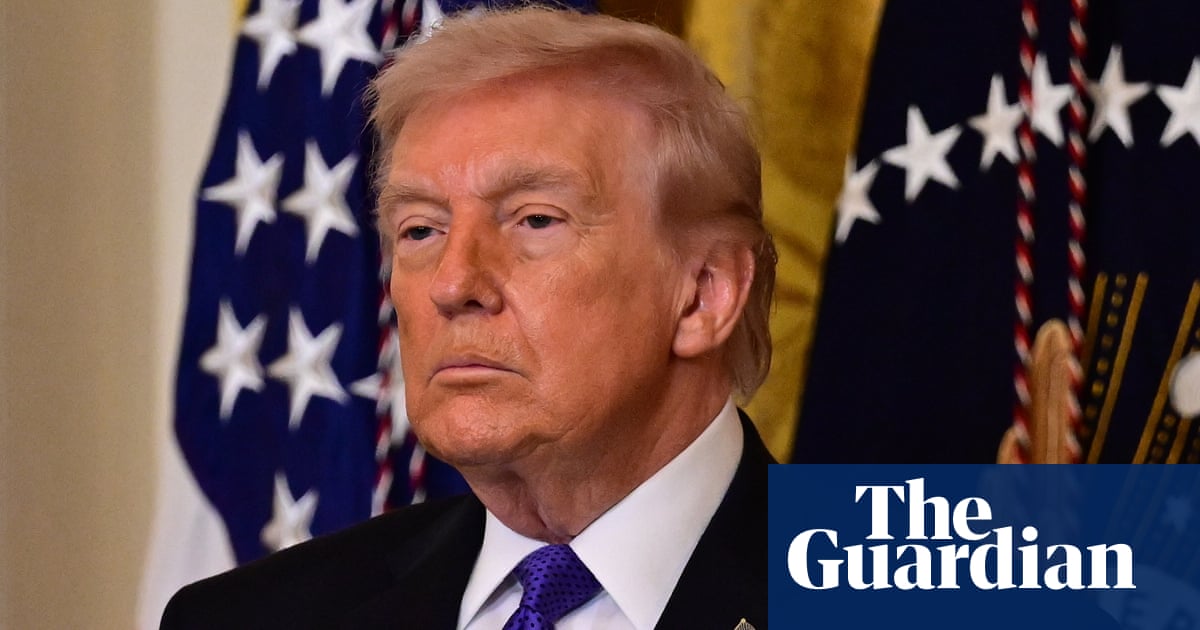
Trump stated the US may carry out additional strikes on Iran’s Kharg Island oil export hub, claiming the island has been “totally demolished” and urging other nations to help secure the Strait of Hormuz. The remarks raise the regional risk premium for oil shipments and could tighten global oil supply lines, likely putting upward pressure on oil prices by several percent and prompting risk-off moves in sensitive assets. Monitor Brent/WTI, shipping insurance (Hedging/Freight rates), and defense/energy sector flows for immediate market reactions.
Escalatory US posture toward Persian Gulf energy infrastructure meaningfully raises the probability of short-term seaborne oil flow disruptions and forces a re-pricing of maritime risk premia over the next several weeks to months. Historically, similar regional shocks produced 200–400% moves in time-charter rates within 1–3 months and pushed spot-forward curves into pronounced backwardation as market participants preferred prompt cargoes over deferred delivery.
Second-order winners will be asset owners that capture transportation scarcity (tanker equities) and integrated producers with flexible export channels; losers include refiners/geographies tied to a single Gulf supplier and any cargo insurers carrying concentrated Gulf exposure. Re-routing increases voyage distance and breakpoints, raising landed cost per barrel by a high-single-digit percentage on many routes — a structural margin transfer from consumers/refiners to producers and shipowners if disruptions persist beyond the immediate rebalancing window.
Key catalysts that could reverse price pressure are rapid coalition-led de-escalation, coordinated SPR releases, or fast ramping of non-Gulf supply (US shale response typically materializes over 3–6 months and is capacity/capital constrained). Constraints on physical tanker availability and insurance/legal frictions create asymmetry: upside in tightness is sharp and fast, but a negotiated de-escalation can erase risk premia quickly, creating high volatility and frequent mean-reversion opportunities.
Contrarian read: market positioning already prices a material multi-month outage; downside is the speed at which non-Gulf sourcing and charter reallocation can cap price moves once diplomatic/market responses kick in. That argues for using defined-risk, time-limited structures (options/call-spreads) and selective exposure to owners with modern, flexible fleets rather than one-way directional crude exposure.
AI-powered research, real-time alerts, and portfolio analytics for institutional investors.
Request DemoOverall Sentiment
strongly negative
Sentiment Score
-0.60
