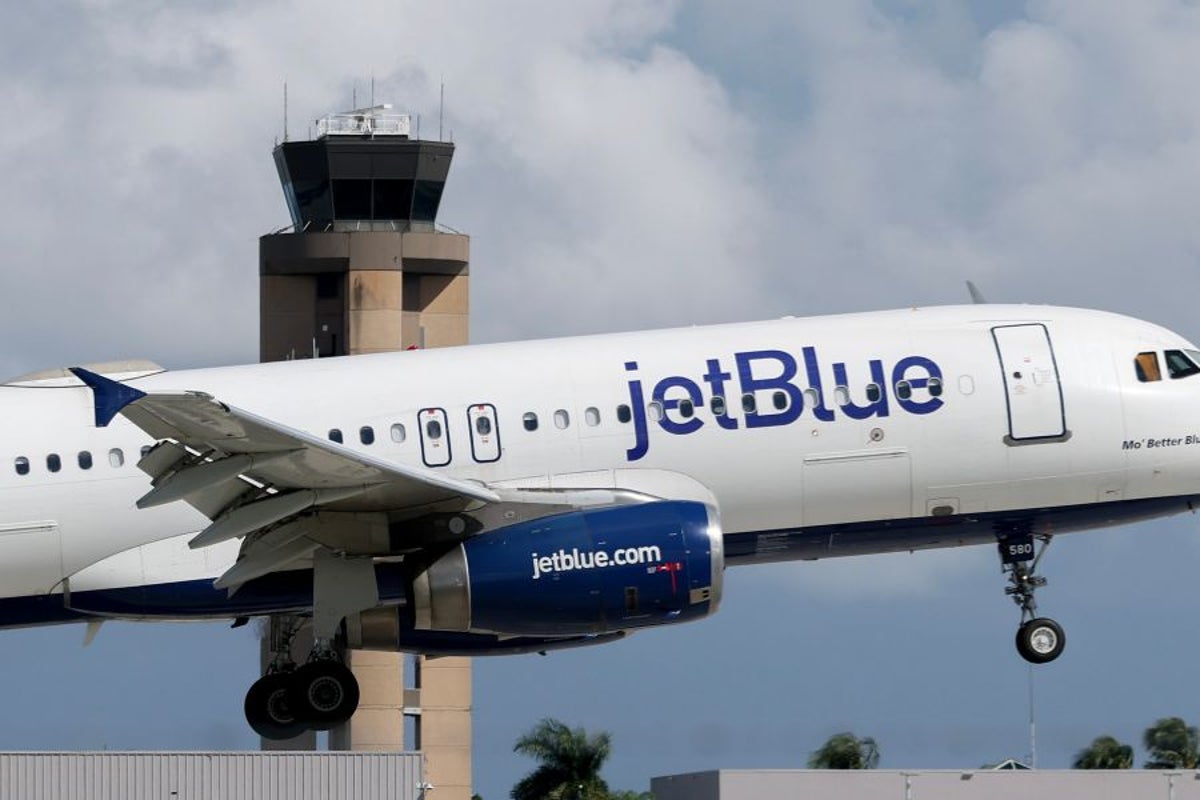
A JetBlue Airbus A320 flying from Cancun to Newark on October 30 plunged thousands of feet before pilots regained control and made an emergency landing in Tampa, causing roughly 20 injuries and 15 hospitalizations. Airbus attributed the avionics malfunction to "intense solar radiation," while a University of Surrey expert proposed high-energy cosmic rays from a supernova may have induced bit flips or hardware failures in modern flight electronics; the episode raises potential regulatory, certification and supplier-design scrutiny for hardened avionics in safety-critical systems.
Market structure: Short-term winners are avionics and defense suppliers with radiation‑hardened product lines (L3Harris LHX, RTX RTX, Honeywell HON, Microchip MCHP) as airlines and OEMs face demand for diagnostics/retrofits; losers are exposed passenger carriers (small‑cap regional and leisure airlines such as JBLU) and legacy OEM reputational-risk plays (Airbus AIR.PA, BA). Pricing power will shift to specialist suppliers because retrofit cycles are long (procurement lead times 6–24 months) and certification creates high entry barriers, implying 5–20% margin tailwinds for incumbents on retrofit projects in year 1–3 after mandates.
Risk assessment: Tail risks include regulator-driven mandatory retrofits or temporary groundings (low probability monthly but high impact to airline EBITDA: a 1–7 day grounding of 10% fleet could cost carriers $50m–$500m). Immediate window (days) will see realized volatility spike in airline equities and options; short-term (weeks–months) NTSB/FAA reports and insurer claims drive policy; long-term (2–5 years) potential for capital spending of $0.1m–$1m per narrowbody unit across global fleets. Hidden dependencies: reliance on a handful of rad‑hard component suppliers creates supply bottlenecks and multi-quarter lead times; insurers/reinsurers may demand higher premiums, pressuring airline margins.
Trade implications: Direct plays favor modest, staged longs in LHX/RTX/HON/MCHP with 6–18 month horizons and patience for certification cycles; hedge higher‑beta airline exposure (JBLU, LUV, UAL) with 3–6 month puts or pair trades (long LHX vs short JBLU). Options: buy 9–12 month deep‑in‑the‑money calls on LHX/RTX to capture multi‑quarter revenue recognition while selling 1–3 month covered calls to finance carry if near‑term overreaction inflates IV. Sector rotation: move 2–5% from cyclic leisure travel into defense/aerospace suppliers and specialty insurers/reinsurers.
Contrarian angles: Consensus may overstate immediacy — one incident does not guarantee sweeping mandates, so defense names may be priced for immediate wins and could correct 10–20% if regulators opt for advisories not mandates. Historical parallels (post‑incident safety retrofits) show revenue ramps are multi‑year; therefore prefer longer‑dated exposure and avoid paying up for near-term earnings bumps. Unintended consequences include airlines accelerating retrofit spending that tightens rad‑hard supply and lifts component prices, benefiting suppliers but pressuring margins for smaller carriers.
AI-powered research, real-time alerts, and portfolio analytics for institutional investors.
Request DemoOverall Sentiment
moderately negative
Sentiment Score
-0.40
