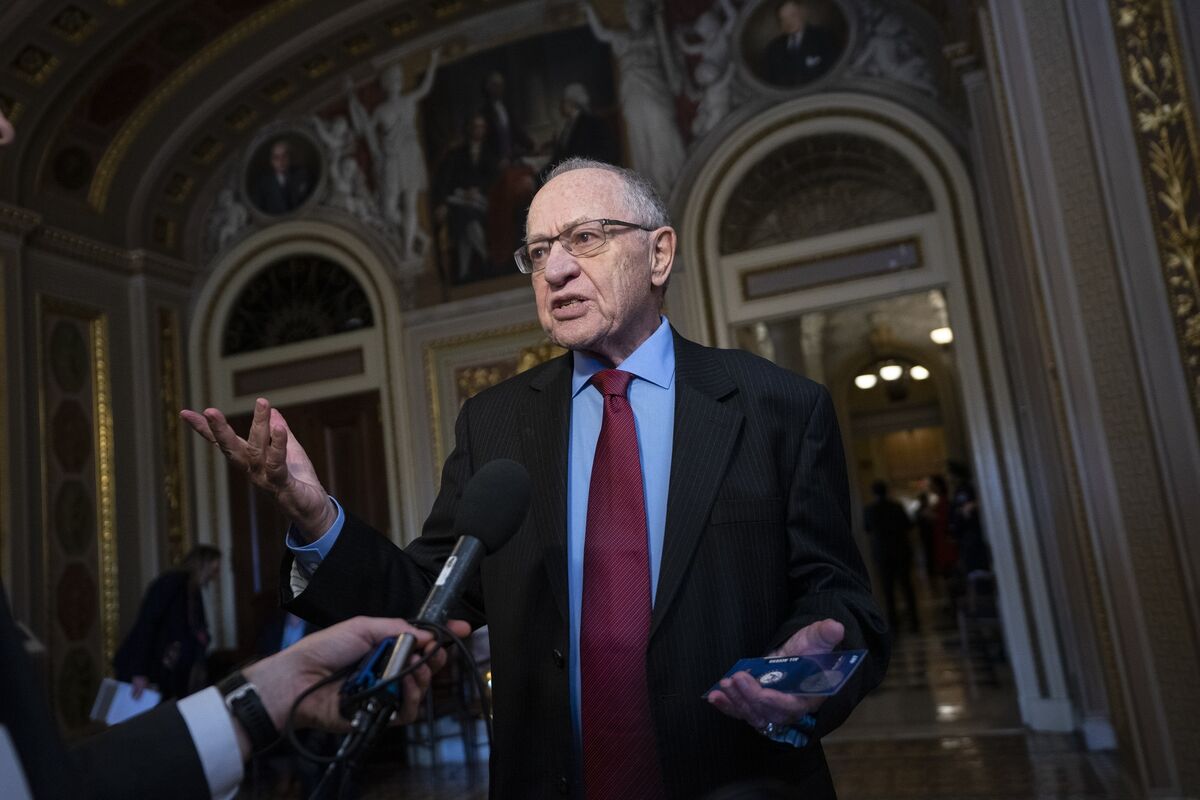
The U.S. Supreme Court rejected Alan Dershowitz’s bid to revive a defamation suit against CNN, leaving in place a federal appeals court ruling that tossed the case. The dispute centers on CNN’s characterization of Dershowitz’s remarks during President Trump’s 2020 impeachment trial. The ruling is legally notable but likely to have limited direct market impact.
This outcome is less about one lawyer and more about the Court’s reluctance to reopen a high-friction media-liability boundary. For publishers, the practical effect is modestly bullish: it preserves a wide berth for characterization and framing in live political coverage, which lowers expected litigation costs at the margin and supports the economics of opinion-heavy programming. The signal matters most for large networks with deep pockets, because smaller outlets are more likely to self-censor or over-lawyer commentary if they perceive even a small increase in defamation exposure.
The second-order risk is asymmetric reputational, not financial. Claims like this are increasingly used as a political signaling tool rather than a path to damages, so the real catalyst is not this case alone but whether downstream plaintiffs see the Court’s posture as permission to file more aggressive suits in state courts. That creates a slow-burn legal overhang for media firms over 6-18 months, especially if the election cycle raises the volume of adversarial coverage and forum-shopping attempts.
Consensus may be underestimating how little direct P&L impact there is versus the optionality value of a cleaner legal standard. The market often overreacts to headline defamation risk while ignoring that the largest beneficiaries are already fortified by scale, insurance, and legal reserves. If anything, the more interesting trade is that political-media volatility can sustain engagement and ad inventory pricing, while legal noise remains a manageable cost item unless Congress or the Supreme Court materially shifts doctrine.
AI-powered research, real-time alerts, and portfolio analytics for institutional investors.
Request DemoOverall Sentiment
neutral
Sentiment Score
-0.10
