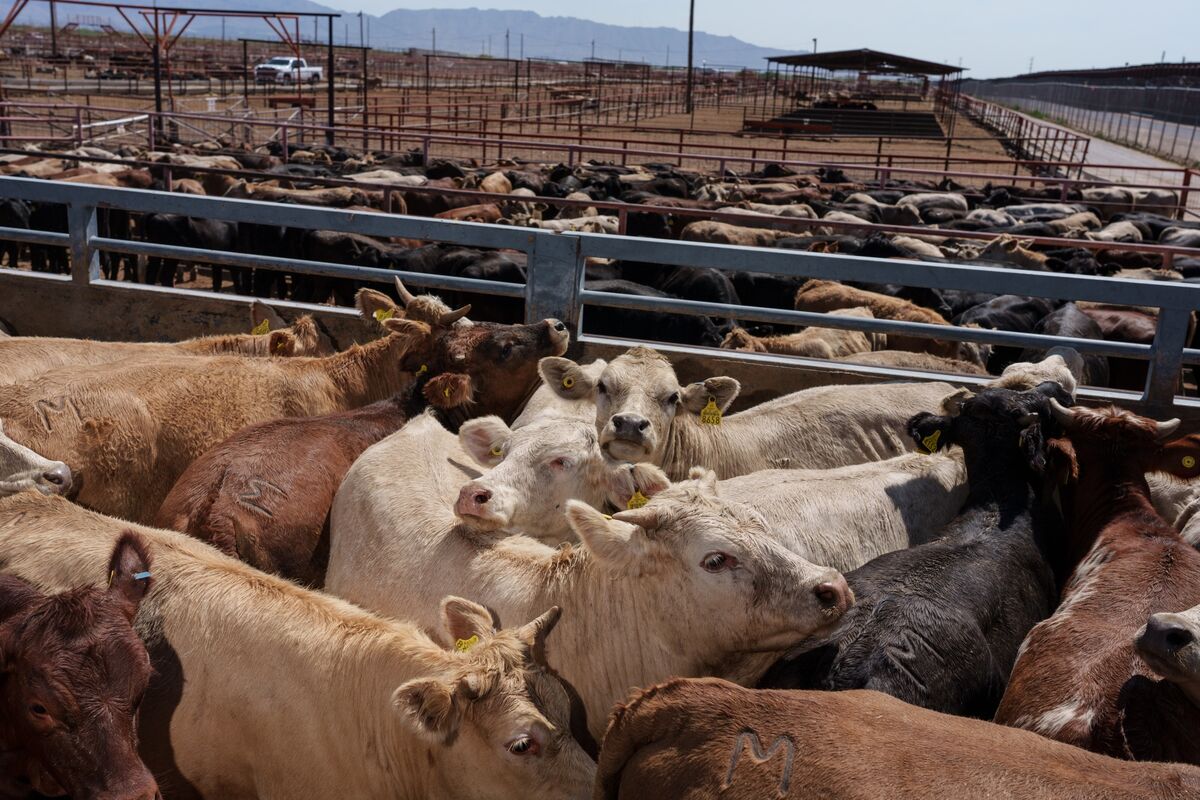
Cattle futures prices surged to a nearly three-week high following the detection of the deadly New World screwworm in Nuevo León, Mexico, just 70 miles from the US border. This northernmost detection of the cattle-fatal parasite, confirmed by the USDA, signals a significant biosecurity threat and potential supply disruption for the US cattle industry, driving market reaction.
Cattle futures have rallied to a near three-week peak, a direct market response to a significant biosecurity threat emerging near the U.S. border. The U.S. Department of Agriculture confirmed the detection of the New World screwworm, a parasite fatal to cattle, in Nuevo León, Mexico, just 70 miles from U.S. territory. This development is critical as it marks the northernmost detection of the deadly pest, substantially increasing the perceived risk of transmission into the United States. The futures market is pricing in the potential for a supply-side shock; an outbreak within the U.S. could necessitate herd culling and strict quarantine measures, leading to a material reduction in cattle supply and consequently supporting higher prices. The current upward price movement is therefore a direct reflection of this anticipated supply constraint risk.
AI-powered research, real-time alerts, and portfolio analytics for institutional investors.
Request DemoOverall Sentiment
moderately positive
Sentiment Score
0.50
