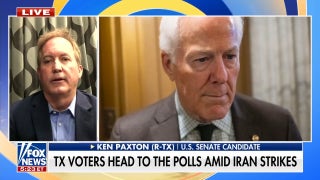
Recent headlines emphasize escalating geopolitical risk around Iran: U.S. and Israeli strikes — defended as necessary by Prime Minister Netanyahu and described operationally by U.S. officials (Operation Epic Fury) — are framed as not intended to spark an 'endless war,' while the State Department has added another country to its evacuation list and analysts note possible Ayatollah succession dynamics. Domestic political commentary (including Vice President Vance and other high-profile U.S. political developments) accompanies the unfolding Middle East story, raising near-term regional risk premia that could influence energy and defense-sector volatility despite no immediate market-moving economic data or corporate figures.
Market structure: Geopolitical risk favors defense primes (Lockheed LMT, Raytheon RTX, Northrop NOC) and large integrated oil (Exxon XOM, Chevron CVX) because procurement and oil risk premiums rise; losers include airlines (JETS), tourism, EM FX/credits. Supply/demand: a limited spare-oil cushion (Brent susceptibility >$80–$90) amplifies price moves, while defense contractors gain pricing power via urgent orders and backlog expansion. Cross-asset: expect safe-haven bid into Treasuries (short-term yields down 10–30bps), USD strength vs EM (DXY +1–2%), gold (GLD) upticks, and equity volatility spikes (VIX +30–50% intraday on major headlines).
Risk assessment: Tail scenarios include wider regional war (oil >$120, global PMI shock >200bps drawdown in cyclical equities) or cyber/energy infrastructure attacks that trigger prolonged supply shocks. Time horizons: immediate (days) = headline-driven volatility and stop-outs; short-term (weeks–3 months) = re-rating of defense/energy and commodity-driven inflation; long-term (6–24 months) = sustained fiscal/defense spend depending on US Congress and 2026 election outcomes. Hidden dependencies: shipping insurance rates, SLOC disruptions, and bipartisan spending deals; catalysts include casualty reports, strikes on shipping lanes, OPEC+ coordinated cuts.
Trade implications: Favor tactical longs in large-cap defense and energy, hedged with options to cap downside; underweight EM equities/credits and airlines until Brent stabilizes below $80. Use 1–3 month options for event risk and layer positions as triggers are hit (Brent >$90, DXY move >1.5%, US casualties reported). Portfolio-level: add tail-protection (short-dated SPX puts / VIX calls) sized 1–2% NAV to limit headline drawdowns.
Contrarian angles: The market may overprice a permanent defense re-rating — historical strikes (2019–2020) produced short-lived spikes; if no escalation within 4–8 weeks, commodity and defense gains will partially mean-revert. Opportunity: buy on weakness after first headline rally (scale in over 2–6 weeks) and avoid paying up on single-day moves; monitor congressional appropriation signals before committing fully.
AI-powered research, real-time alerts, and portfolio analytics for institutional investors.
Request TrialOverall Sentiment
neutral
Sentiment Score
-0.15
