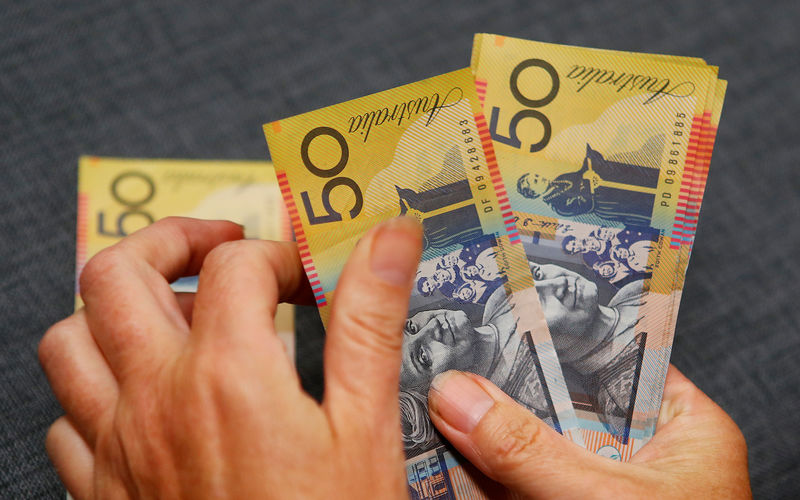
Asian currencies were little changed as renewed U.S.-Iran tensions, higher oil prices, and a 25 bps RBA hike to 4.35% kept markets defensive. The Strait of Hormuz escalation has pushed oil above $100 per barrel, raising inflation and supply-disruption risks, while the U.S. dollar edged up 0.1% on safe-haven demand. AUD/USD was flat after the RBA decision, USD/KRW rose 0.3%, and USD/INR ticked 0.1% higher.
The first-order market move is not in FX itself but in the dispersion it creates across Asia’s import-dependent economies. Higher crude and freight-risk premium is a tax on current-account weak currencies first: INR, KRW, and JPY should underperform on a 1-4 week horizon if energy stays bid, while commodity-exporters should see a relative cushion. The RBA’s hawkish reaction function matters less for AUD direction in isolation than for rate-volatility spillover; it keeps AUD supported on yield differentials even if growth-sensitive sectors start to crack.
The more important second-order effect is inflation persistence through logistics. If Hormuz risk keeps spot oil elevated for even 2-3 weeks, the cost pass-through goes beyond headline CPI into shipping insurance, working capital, and inventory financing, which hits Asian manufacturers with thin margins and long supply chains. That favors defensives and domestic demand names over exporters, and it raises the odds that central banks in the region stay tighter for longer despite softer growth.
The market may be underpricing tail risk around escalation because the immediate move in oil is being interpreted as tactical profit-taking rather than a regime shift. If vessel disruptions become visible, the next leg is likely in volatility rather than direction: FX implied vols, fuel hedges, and shipping rates should reprice before spot oil does. Conversely, if there is no confirmed supply loss within days, the crude risk premium can unwind quickly, making crowded long-energy expressions vulnerable to a sharp mean reversion.
The contrarian read is that the strongest trade may be against over-owned safe havens, not for them. USD strength is likely to fade if Treasury yields stabilize and oil retraces, while currencies tied to imported energy may recover faster than consensus expects once headline risk cools. This sets up a short-duration, event-driven setup rather than a durable macro trend.
AI-powered research, real-time alerts, and portfolio analytics for institutional investors.
Request DemoOverall Sentiment
mildly negative
Sentiment Score
-0.15
Ticker Sentiment
