
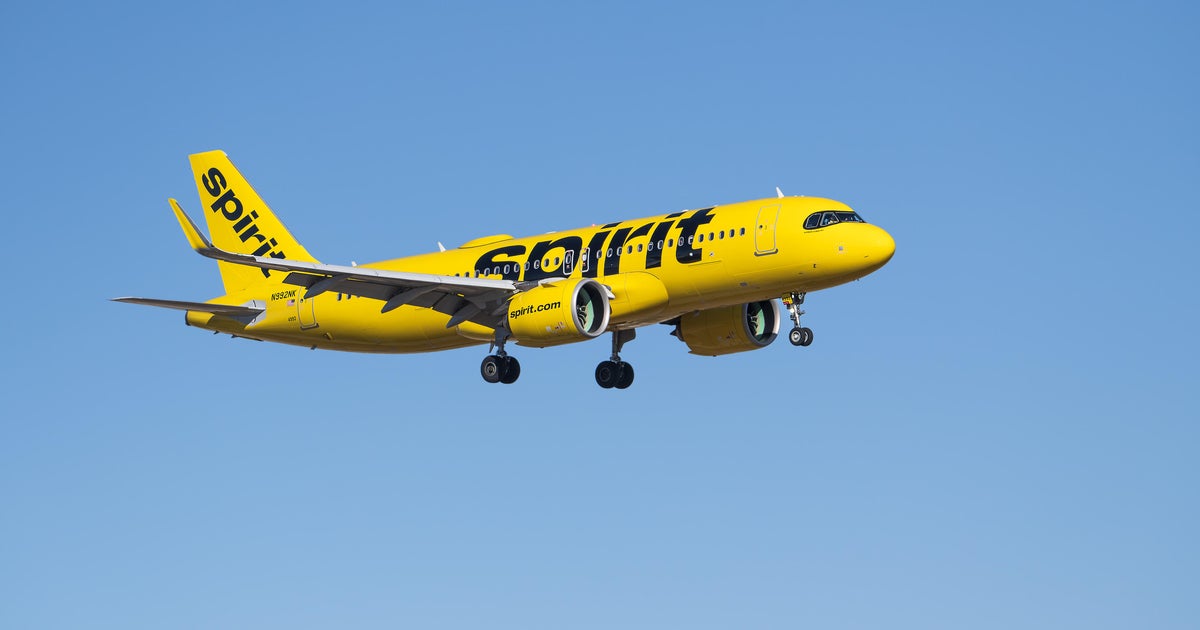
Spirit Airlines has approached the Trump administration for an emergency bailout as creditors question its viability and an upcoming multimillion-dollar debt payment appears at risk. The carrier is facing liquidation risk amid surging fuel prices, and executives are set to meet with Transportation Secretary Sean Duffy next week. Spirit had expected to exit its second bankruptcy by summer, but the fuel spike and weakened business model have pushed it back into crisis.
This is less a standalone airline story than a live stress test for the lower-quality end of the credit stack. A near-term rescue would likely transfer value from equity and unsecured creditors to any lender or sponsor willing to provide DIP-style liquidity, while competitors with cleaner balance sheets can opportunistically raise fares and capacity without triggering a full industry-wide price war. The second-order winner is the broader group of constrained ultra-low-cost carriers that can absorb distressed market share if the carrier is forced into a rapid wind-down, but only if they can defend unit costs; otherwise the real beneficiary is the legacy carriers, which can selectively restore yield on short-haul leisure routes.
The key catalyst window is days to weeks, not months. The market is effectively trading around a binary credit event: either a bridge financing package buys time, or creditor confidence cracks and the operating value evaporates quickly. If bailout expectations fade, expect bond prices and supplier terms to reprice first, then equity to gap toward residual optionality. Fuel is the accelerant, but the true fragility is liquidity mismatch; a small additional shock can force a disorderly outcome because the asset base is highly lease-encumbered and fleet flexibility is limited.
From a portfolio perspective, the cleanest expression is to stay away from the equity and look at relative beneficiaries. A liquidation or forced shrink would tighten domestic leisure capacity enough to support yields for larger network carriers, especially on short-haul Florida, Caribbean, and secondary-city routes where pricing power is most elastic. The market may be underestimating how quickly seat capacity can be reallocated by competitors if grounded aircraft are returned to lessors, but overestimating how much value creditors can salvage if there is a drawn-out restructuring process.
AI-powered research, real-time alerts, and portfolio analytics for institutional investors.
Request TrialOverall Sentiment
extremely negative
Sentiment Score
-0.88
Ticker Sentiment
