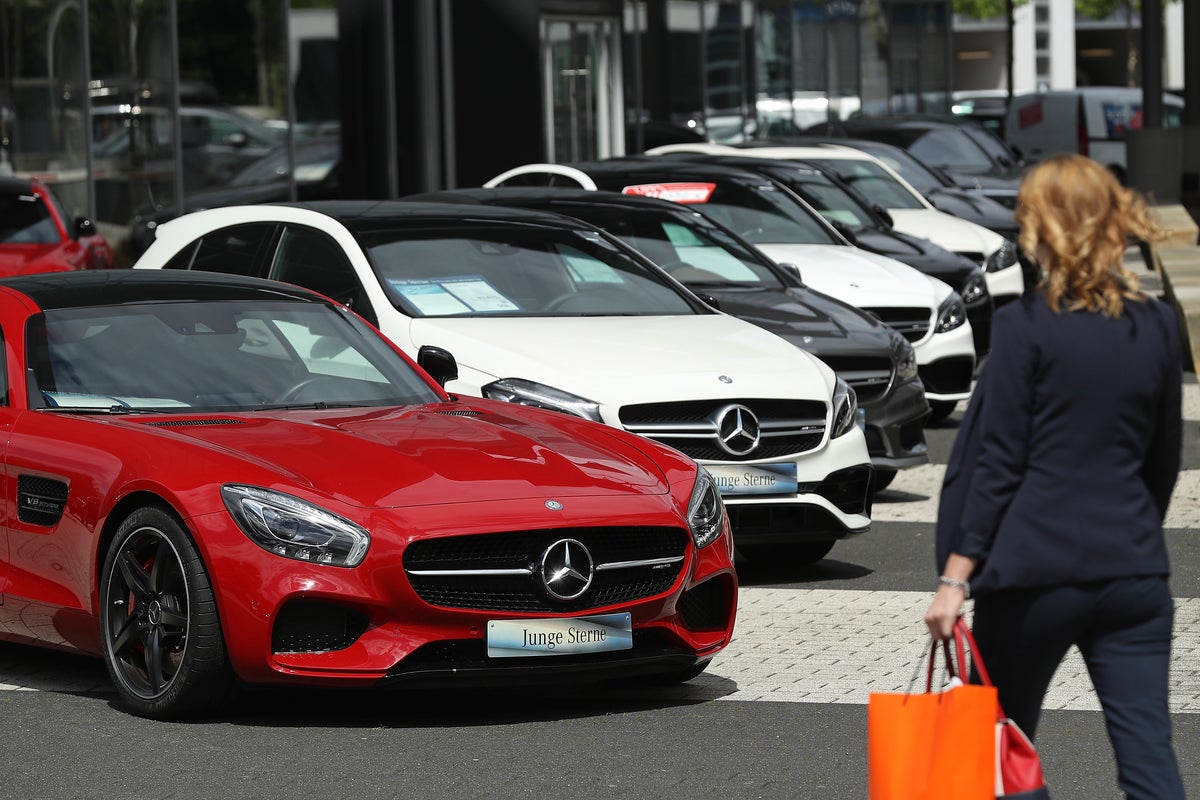
A bipartisan House bill would ban automakers with direct or indirect ties to U.S.-designated adversaries from making, selling, or importing vehicles in the U.S. for five years, with a 15% foreign government ownership threshold central to enforcement. The language could inadvertently capture Mercedes-Benz because its largest shareholder is BAIC, a Chinese state-owned automaker, potentially threatening its U.S. operations despite its two U.S. plants and more than 10,000 American workers. The bill has not advanced to the Senate, but if enacted as written it could also affect other automakers with Chinese investment, including Volvo, Lotus, Karma Automotive and Faraday Future.
This is less a binary China headline than a forced-repricing event for any OEM with opaque state-linked cap tables. The market is likely underestimating the difference between headline risk and actual enforcement risk: even a narrow legislative draft can freeze dealer ordering, delay fleet purchases, and force compliance reviews long before final rules are written. That creates a near-term air pocket for affected import channels, while domestic assembly footprints and U.S.-made model mixes become temporary shelters.
Second-order winners are not just U.S. incumbents, but also suppliers with low China revenue exposure and high U.S. localization. If regulators apply ownership tests aggressively, the real collateral damage is likely to hit premium brands and EV-adjacent smaller names that rely on Chinese capital or contract manufacturing, because they have less legal flexibility to re-paper ownership quickly. The bigger strategic effect is that this accelerates bifurcation in auto supply chains: firms with diversified non-China sourcing and North American final assembly should earn a valuation premium, while any “global” OEM with even indirect sovereign ties will trade with a sanctions-like discount.
The key catalyst window is months, not days: bill language, committee amendments, and agency interpretation matter more than passage itself. The contrarian point is that the first-order short on Germany may be too obvious; the more interesting opportunity is to fade the names most vulnerable to customer deferrals and compliance overhang, while going long the beneficiaries of localization. If the bill is watered down or exempted, the squeeze will be most violent in the most crowded U.S.-policy shorts, especially where the market has already priced a clean ban scenario.
Tail risk is that a broad reading becomes precedent for reciprocal foreign ownership scrutiny elsewhere, raising the discount rate on cross-border industrial assets beyond autos. Conversely, any explicit grandfathering, de minimis exemption, or U.S.-assembly carveout would sharply reduce the threat and likely unwind a meaningful portion of the regulatory premium within one quarter.
AI-powered research, real-time alerts, and portfolio analytics for institutional investors.
Request DemoOverall Sentiment
moderately negative
Sentiment Score
-0.35
