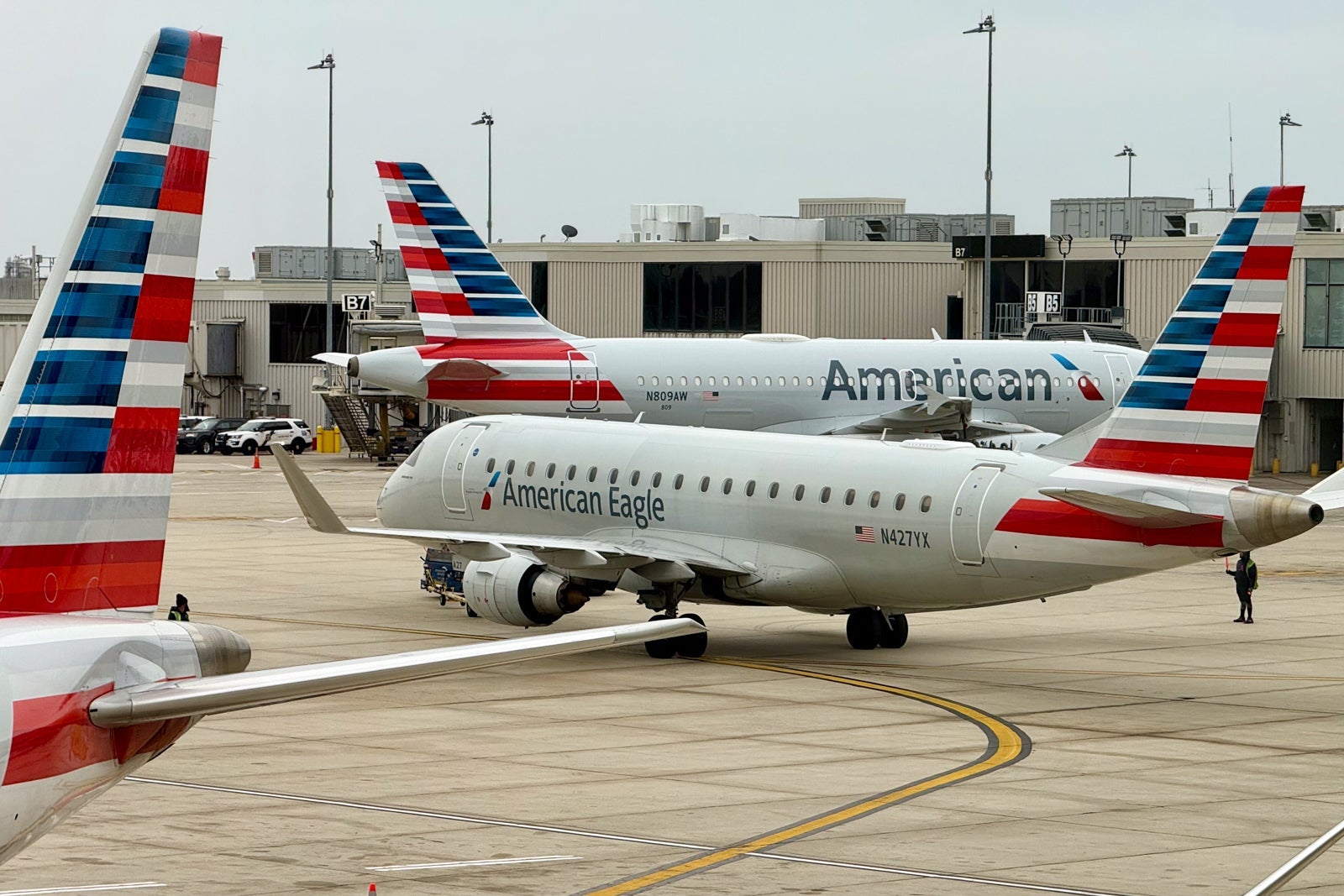
American Airlines unveiled a 16-route expansion for 2026 that will add service covering 20 U.S. cities, including three new routes from Lincoln, Nebraska, and a seven-route boost at its Phoenix hub; most flights are seasonal and operated by regional subsidiaries on E175/CRJ700/CRJ900 and an A321neo on select sectors. The move reinforces American’s domestic connectivity strategy — bolstering hub feed at Phoenix, O’Hare and DFW, restoring some pre-pandemic routes (Anchorage, Bozeman, Rapid City) and targeting leisure demand — while the carrier also progresses with planned long-haul launches to Europe. For investors, the announcement signals modest revenue and network-strengthening upside concentrated in regional and seasonal markets rather than a material, near-term earnings inflection.
Market structure: American (AAL) is the clear direct beneficiary — incremental domestic capacity into 20 cities (16 routes) strengthens feed to hubs (ORD/DFW/PHX/CLT) and improves load factor optionality on regional E175/CRJ aircraft. Regional partners and regional jet OEMs (Embraer/EMBJ, Bombardier-related parts BBD.B.TO) see modest tailwinds from aircraft utilization and maintenance demand; United (UAL) is the main competitive loser on overlapping spokes (e.g., LNK) where share can shift 5–15% within 6–12 months. Pricing power will be localized: fare pressure in newly served small markets could compress yields 2–5% seasonally while hub-to-hub yields remain stable.
Risk assessment: Tail risks include a sustained jet fuel spike (>20% in 3 months), regional pilot shortages causing <5% capacity shortfalls, or an operational failure at a regional partner producing outsized irregular operations and reputational damage. Timeframe: immediate sentiment lift (days–weeks) around announcements; tangible revenue mix changes manifest in 2–4 quarters; long-term unit revenue gains depend on retention of incremental demand across 12–24 months. Hidden dependencies: AAL’s basic-economy mileage removal could dent leisure ticket demand by 1–3% and depress ancillary revenue trends; watch regional partner contracts and DOT slot approvals.
Trade implications: Tactical: size a 2–3% long AAL equity position targeting +15–25% over 6–12 months, stop-loss 12–15% if yields decline or fuel >15% shock. Relative trade: pair long AAL / short UAL (equal notional 1–2%) to capture domestic-network execution edge; unwind after 6–9 months or when spread closes by 50%. Options: buy 6–9 month AAL call spreads (buy ATM, sell 20–30% OTM) sized to 0.5–1% portfolio risk to cap premium exposure. Sector: modestly overweight US domestic travel & regional maintenance suppliers, underweight international-focused niche carriers exposed to long-haul competition.
Contrarian angles: Consensus underestimates cost and crew complexity of seasonal A321neo deployments from PHX and the margin drag from restarting low-yield spokes; market may be underpricing a 3–6 month execution risk. Conversely, the long-term payoff from deeper domestic connectivity is often realized after 12–18 months — historical parallels (post-2010 domestic densification) produced 10–30% share gains for incumbents. Unintended consequence: aggressive entry into small markets can trigger localized fare wars that reduce spoke yields by up to 5% and transfer traffic to ultra-low-cost carriers within a single season.
AI-powered research, real-time alerts, and portfolio analytics for institutional investors.
Request DemoOverall Sentiment
mildly positive
Sentiment Score
0.30
Ticker Sentiment
