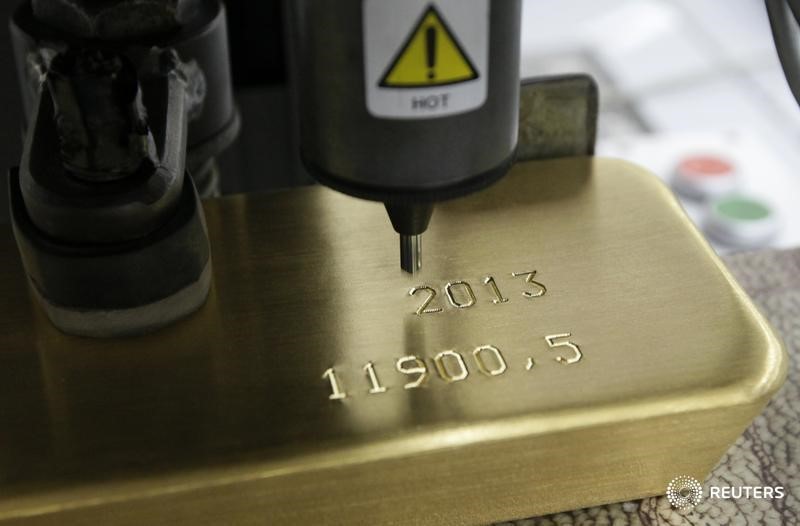
Oil prices ticked higher as renewed U.S.-Iran hostilities raised concerns about supply disruption and an energy-driven inflation spike. Spot gold fell 1.4% to $4,392.88/oz and gold futures dropped 1.3% to $4,423.37/oz, with the metal pressured by higher-for-longer rate expectations. The focus now shifts to April U.S. PCE inflation, where headline inflation is expected to rise to 3.8% year over year and core to 3.3%.
The market is repricing a classic stagflation impulse: a geopolitical supply shock that lifts front-end energy costs before it shows up in headline data, while real activity has not yet had time to adjust. The second-order effect is not just higher CPI prints; it is the risk that rate-cut expectations get pushed out, which matters more for duration-sensitive assets than the commodity itself. In that setup, the cleanest beneficiaries are upstream energy cash flows and inflation protection, while the most vulnerable pockets are long-duration equities, rate-sensitive cyclicals, and companies with heavy fuel input exposure.
The key nuance is timing. Oil can stay elevated for days to weeks on headline risk, but inflation transmission to wages, services, and policy repricing takes months, so the market may be early in pricing the macro consequence but late in pricing the tactical hedge. If shipping through the Strait remains constrained or insurance premia widen, the real squeeze will likely show up in refined products and freight before crude, which means crack spreads and transport costs may be the higher-beta expression of this theme.
Consensus is still treating this as a binary peace-risk headline rather than a regime shift in inflation volatility. That is likely too narrow: even if hostilities ease, the episode reinforces a higher geopolitical risk premium in energy and a higher floor for inflation expectations, making the Fed more cautious than growth bulls want. Conversely, if the conflict de-escalates quickly, energy gives back fast, but rates are less likely to rally as much because the Fed will still have to validate disinflation in the next few prints.
For now the asymmetric risk is in chasing gold as a pure hedge; if real yields back up on sticky PCE, it underperforms despite risk-off sentiment. The better trade is to own the inflation transmission chain and short the duration-sensitive beneficiaries of easier policy.
AI-powered research, real-time alerts, and portfolio analytics for institutional investors.
Request DemoOverall Sentiment
mildly negative
Sentiment Score
-0.25
Ticker Sentiment
