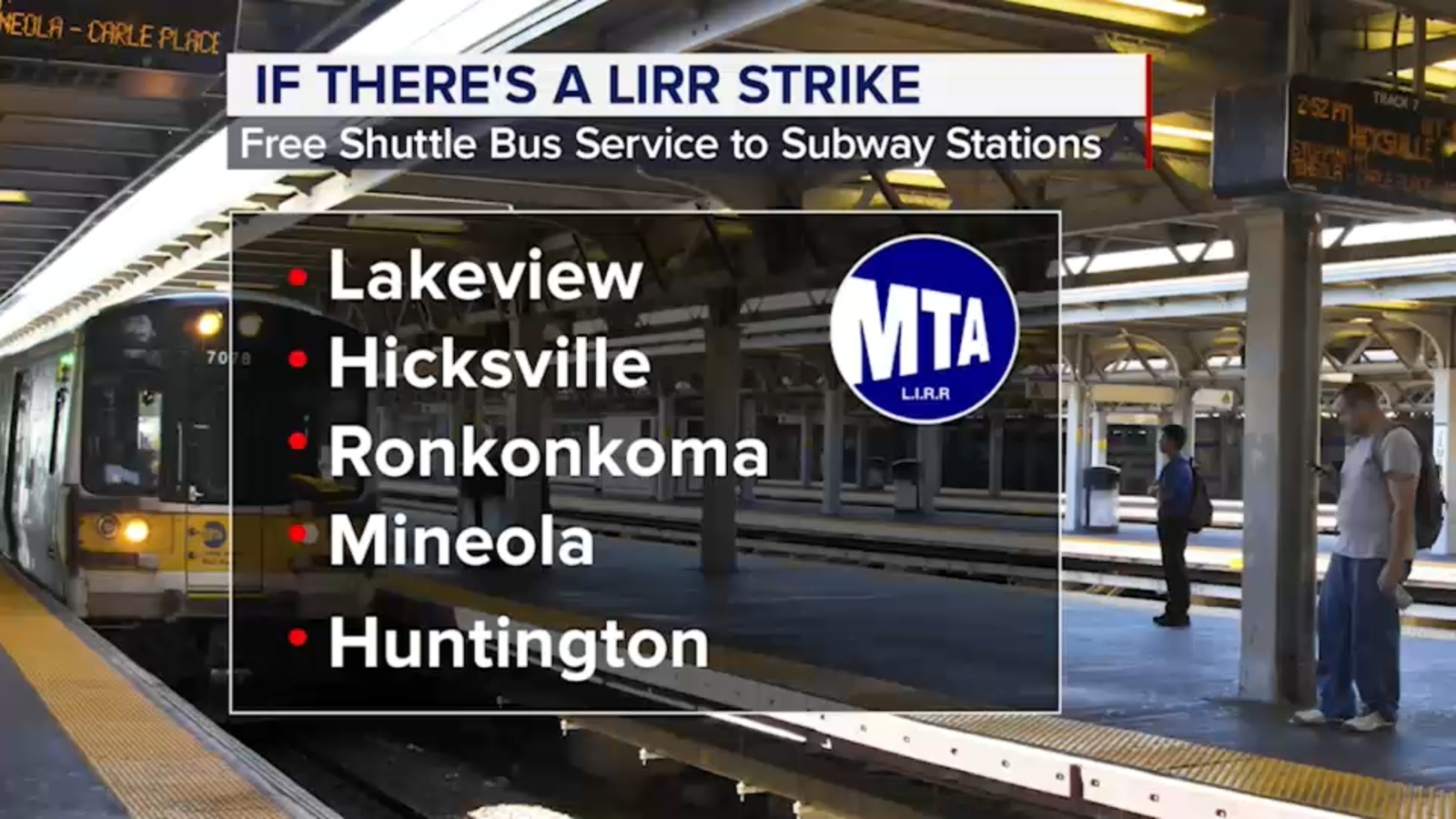
Long Island Rail Road workers could strike on May 16 if no contract deal is reached, affecting more than 250,000 daily riders and 3,500 workers across five unions. The MTA says meeting the unions' pay demands could require an additional fare hike of as much as 8%, while contingency shuttle buses would be deployed from five stations if service is disrupted. This is a material regional transportation risk, but not a broad market event.
The market-relevant issue is less the strike itself than the policy response it forces. A shutdown would instantly raise the political cost of wage restraint, but conceding now risks setting a wage benchmark for other transit agencies and unions ahead of 2026 budget negotiations. That makes the MTA a proxy short for municipal fiscal flexibility: if labor wins, the likely offset is either higher fares, deferred capex, or more state aid requests, each of which is negative for future service quality and credit optics.
Second-order, the biggest near-term economic hit is to Long Island discretionary demand, not just commuting convenience. If riders are pushed into buses, cars, or staying home, the pain cascades into gas, parking, retail foot traffic, and suburban service spending within days, while Manhattan is more likely to absorb some displaced riders than fully lose trips. That means the trade is not a clean rail-stop story; it is a short-duration shock to suburban consumer activity with a potentially outsized effect on local transit-linked small businesses and municipal sentiment.
The contrarian angle is that the strike threat may be more bark than bite because both sides have strong incentives to avoid testing the contingency plan. A 1-2 day stoppage would be politically noisy but economically manageable, and the settlement may be structured to delay cash costs through phased raises or benefit concessions, limiting the immediate fiscal damage. The real risk to underestimating this is that the MTA could be forced into a precedent-setting package, which would matter more for 2027 fare policy and state budget pressure than for this weekend’s rider disruption.
AI-powered research, real-time alerts, and portfolio analytics for institutional investors.
Overall Sentiment
moderately negative
Sentiment Score
-0.35
Ticker Sentiment
