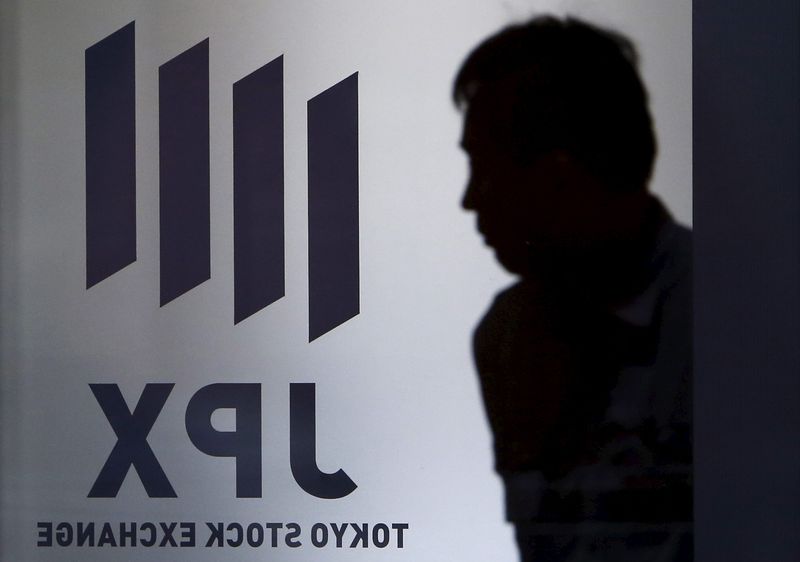
Japan stocks fell 0.53% as geopolitical तनाव from fresh US strikes on Iran drove a risk-off move across markets. Nikkei volatility jumped 6.06% to 31.14, while crude oil rose 2.76% to $91.13 and Brent climbed 2.62% to $94.67, signaling higher energy-risk premiums. Gold eased 1.44% to $4,417.09, and the yen was little changed with USD/JPY down 0.03% at 159.48.
The immediate winner is not just energy; it is volatility and duration-sensitive balance sheets. A sustained oil shock near these levels tends to compress margins for airlines, trucking, chemicals, and Japanese manufacturers with high imported-input exposure, while simultaneously lifting inflation expectations and keeping real yields sticky. That is a bad mix for high-multiple, long-duration assets and helps explain why the market is rewarding defensives and hard-asset proxies while punishing cyclicals with poor pricing power.
The more interesting second-order effect is in FX and cross-asset positioning. A weaker yen in a commodity shock would normally cushion Japan, but here the market is signaling that higher imported energy costs outweigh translation benefits, which argues for further underperformance in domestic consumption and transport names versus exporters with offshore revenue. Elevated implied vol suggests dealers are likely short convexity around headline risk; if the situation escalates, systematic selling can amplify moves over days, not months.
For crypto, this is a liquidity shock rather than a pure risk asset rotation. Bitcoin’s breakdown alongside a spike in oil and geopolitics implies the market is de-leveraging across crowded speculative positions, not merely repricing one asset class. If crude holds above the low-90s and US-Iran headlines persist, the path of least resistance is continued pressure on BTC until funding resets and real money re-enters after the first wave of forced liquidations clears.
The contrarian case is that the move may be front-running a headline risk premium that can mean-revert quickly if the conflict does not broaden. In that scenario, energy and gold give back part of the shock premium, while the most oversold high-beta assets snap back harder than the index. The key is to distinguish between a 2-3 day panic and a multi-week supply disruption; the trade outcomes are very different.
AI-powered research, real-time alerts, and portfolio analytics for institutional investors.
Request TrialOverall Sentiment
strongly negative
Sentiment Score
-0.55
