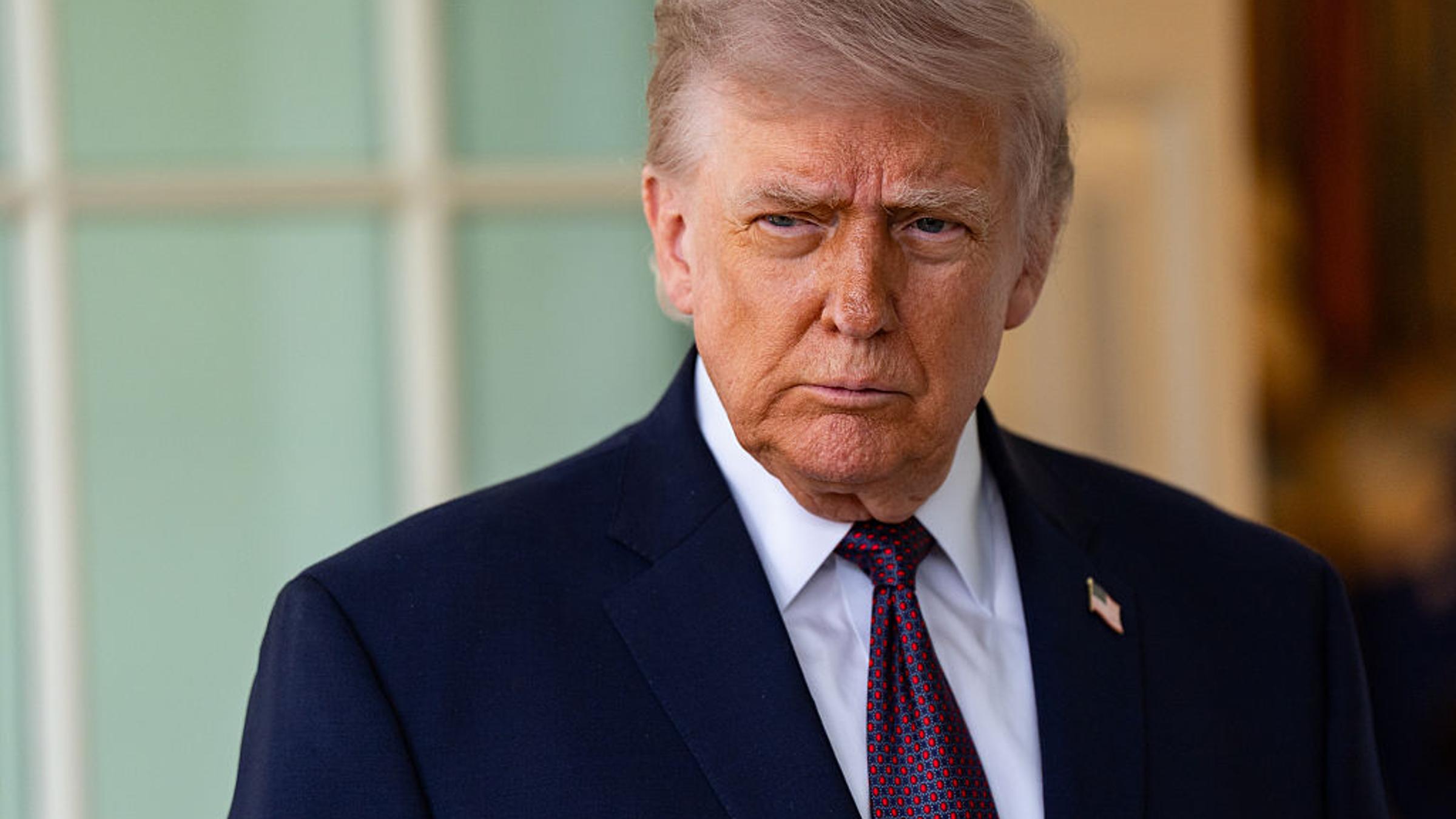
The Iran-U.S./Israel conflict remains unresolved, with Trump saying a deal could come soon while failed Pakistan talks and a U.S. blockade of Iranian ports keep tensions elevated. Oil remains highly sensitive: Brent briefly topped $100 per barrel after the blockade announcement before easing to about $95, and U.S. gasoline has climbed above $4.10 per gallon from roughly $2.98 pre-conflict. The article also highlights 60-day War Powers pressure on Trump and ongoing risk to global energy flows through the Strait of Hormuz.
The market implication is not simply “lower oil,” but a volatility regime shift driven by headline risk compression. If negotiations restart, the first-order beneficiary is not the broad market so much as downstream energy users with high spot-input sensitivity: airlines, trucking, chemicals, and select industrials. The more important second-order effect is that a credible de-escalation path reduces the probability of ad hoc shipping restrictions, which should normalize freight insurance, tanker availability, and regional energy logistics premiums faster than it normalizes crude itself.
The key asymmetry is that the downside in energy can be disorderly if diplomacy gains credibility, while the upside in crude is now capped unless talks fully break down again. Traders should distinguish between a temporary pause in hostilities and a durable settlement: a pause can still leave the Strait risk premium partially embedded, but a settlement would likely unwind the geopolitical add-on quickly over days to weeks. That creates a favorable setup for short-dated downside exposure in oil, especially since the market has already started pricing some peace optionality after the initial spike.
Contrarianly, the consensus may be underestimating how hard it is to convert a cease-fire into a durable enforcement framework. Any failure on verification, sanctions relief, or transit rights can snap the market back into risk-off mode within 24-72 hours, and the most vulnerable names would be those that rallied on the assumption of normalized trade flows. On the political side, domestic pressure on the administration means the probability distribution is bimodal: either a quick deal or renewed coercive escalation, with very little room for an extended muddle.
AI-powered research, real-time alerts, and portfolio analytics for institutional investors.
Request DemoOverall Sentiment
moderately negative
Sentiment Score
-0.35
