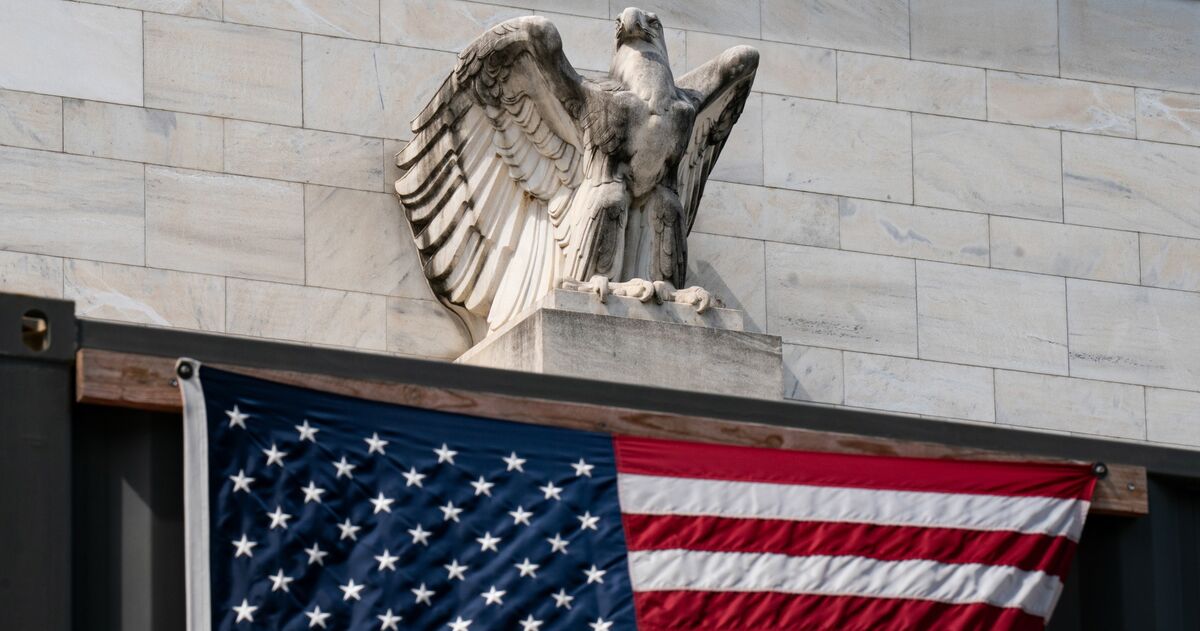
Despite former President Trump's persistent calls for aggressive interest rate cuts and his potential to influence Federal Reserve leadership through appointments, analysis indicates that the institution's internal composition and decision-making processes are likely to prevent the dramatic rate reductions he seeks by 2026. This suggests the Fed's collective stance will temper extreme policy shifts, even under renewed presidential pressure.
The outlook for U.S. monetary policy is subject to significant political uncertainty, centered on a potential conflict between a future presidential administration's demands and the Federal Reserve's institutional structure. The article highlights former President Trump's explicit calls for "dramatic reductions in interest rates" and his capacity to alter the Fed's leadership through appointments. However, the core insight is that the central bank's collective, consensus-driven decision-making process is expected to serve as a substantial counterweight. This internal dynamic suggests that even with new appointees, the Fed's existing composition would likely resist implementing the "outsize rate cuts" sought by the former president, with the analysis specifically pointing to 2026 as a timeframe where such resistance would be evident. This underscores the potential for continued institutional resilience against direct political pressure on monetary policy, creating a more moderate and potentially less dovish path for interest rates than political rhetoric might imply.
AI-powered research, real-time alerts, and portfolio analytics for institutional investors.
Request DemoOverall Sentiment
neutral
Sentiment Score
0.00
