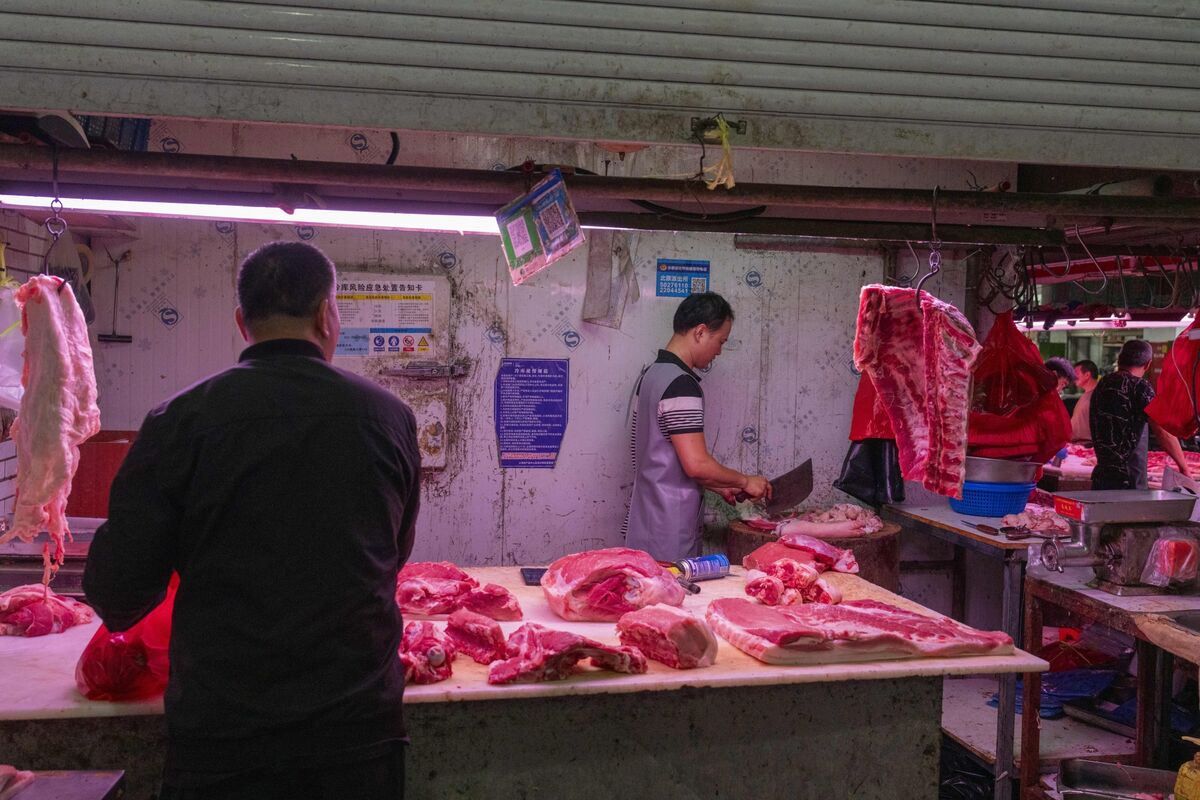
China has imposed preliminary duties ranging from 15.6% to 62.4% on EU pork imports, citing alleged dumping practices and "material injury" to its domestic industry, a claim the EU disputes. This action marks a significant escalation in trade tensions for the European Union, following previous US tariffs on its exports, and directly impacts its agricultural sector amidst a broader global trade dispute environment.
The European Union is facing a significant escalation in trade tensions following China's imposition of preliminary duties on EU pork imports, ranging from 15.6% to 62.4%. This action, justified by Beijing as a response to alleged dumping and "material injury" to its domestic industry, is viewed as questionable by the European Commission. This development compounds existing trade pressures on the bloc, which is still navigating the impact of a 15% US tariff on most of its exports. The move represents a direct blow to the EU's agricultural sector and signals a deteriorating geopolitical and trade relationship with a key economic partner, a sentiment underscored by the strongly negative market reaction.
AI-powered research, real-time alerts, and portfolio analytics for institutional investors.
Request DemoOverall Sentiment
strongly negative
Sentiment Score
-0.75
