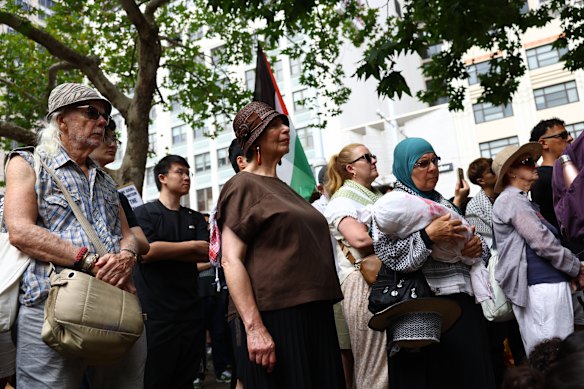
On Dec. 14 two gunmen opened fire at a Hanukkah celebration at Bondi Beach, killing 15 and injuring dozens; 12 victims remain hospitalized (four in critical but stable condition). Court documents alleging the father-and-son attackers trained in Australia may now be published, the accused Naveed Akram has been moved from hospital to a Sydney correctional centre, and protests in Sydney and Melbourne have intensified political pressure. Federal and state leaders have responded with national security meetings, apologies and proposed hate‑speech and protest‑control reforms (NSW to refer reforms to a parliamentary committee), while the prime minister’s approval rating has slipped amid heightened social tensions.
Market structure: Near-term winners are defensive assets (AUS sovereign bonds, cash) and security/defense suppliers; losers are Australia-exposed tourism, hospitality and local retail concentrated in Sydney (Qantas, Flight Centre, local REITs) where footfall and bookings can drop 5–15% over 2–8 weeks. Political reaction (hate‑speech laws, expanded police powers) increases demand for surveillance, security services and cyber‑risk mitigation over 6–24 months, shifting modest procurement from social programs to security budgets and favouring defense-capex beneficiaries. Risk assessment: Tail risks include prolonged domestic unrest or copycat attacks (5–10% probability next 6 months) that would deepen travel declines and push yields down another 20–40bps; legislative overreach could temporarily depress consumer confidence into Q1 2026. Hidden dependencies include peak summer tourism seasonality (Dec–Jan) which amplifies revenue impact now, and the PM’s falling approval making policy outcomes more uncertain; catalysts are parliamentary committee reports (30–90 days), court disclosures, and any large-scale protests. Trade implications: Tactical positions should favor short-duration risk-off plays: buy Australian gov’t bond exposure and short AUD vs USD for 2–8 weeks; reduce/short stocks with high Sydney tourism revenue (expect 5–15% drawdown). Medium-term (6–24 months) overweight defense/security suppliers (global defense ETF exposure) to capture higher procurement and security contracts. Contrarian angle: Consensus may over-penalise national incumbents with diversified international exposure — large airlines with strong balance sheets (QAN) may rebound quickly post-season while pure‑play travel agents (FLT) remain vulnerable. If protests are contained within 30–60 days, expect a fast mean-reversion in consumer discretionary and AUD; opportunities exist to fade initial overshoot.
AI-powered research, real-time alerts, and portfolio analytics for institutional investors.
Request DemoOverall Sentiment
moderately negative
Sentiment Score
-0.45
