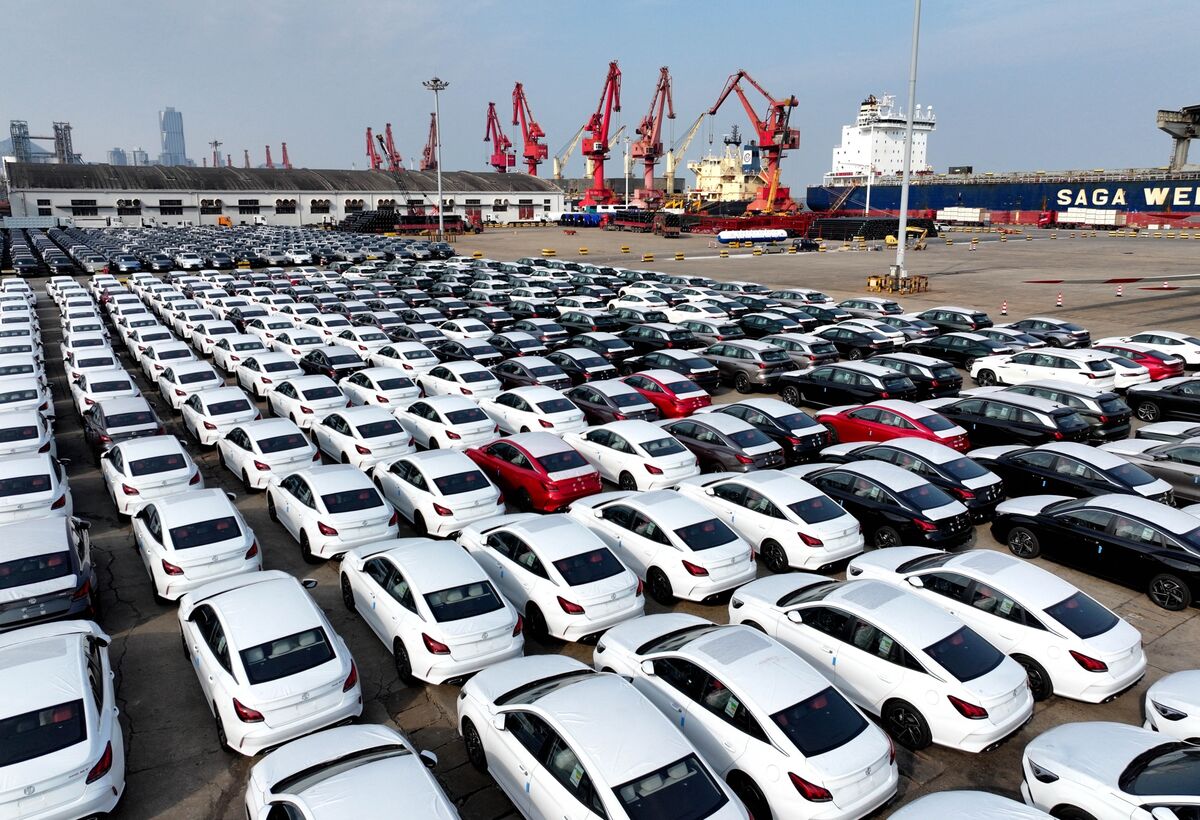
Mexico's Economy Minister Marcelo Ebrard announced plans to raise tariffs on cars manufactured in Asia to as much as 50%. This protectionist measure is intended to safeguard an estimated 320,000 domestic jobs and address concerns that imported car prices are falling below Mexico's reference price.
Mexico is signaling a significant shift in trade policy with a proposal to increase tariffs on cars imported from Asia to as high as 50%. Economy Minister Marcelo Ebrard justified this defensive measure as a necessary step to protect an estimated 320,000 domestic jobs and to counteract the sale of imported vehicles at prices below a national "reference price." This protectionist action, rated as having a moderate market impact, is aimed squarely at insulating Mexico's domestic auto industry from foreign competition. While the stated goal is to bolster local employment and manufacturing, the direct consequence for Asian automakers will be a substantial loss of price competitiveness in the Mexican market. This policy, if enacted, will likely reconfigure the automotive competitive landscape, leading to higher vehicle prices and fewer choices for Mexican consumers while benefiting producers operating within Mexico.
AI-powered research, real-time alerts, and portfolio analytics for institutional investors.
Request DemoOverall Sentiment
moderately positive
Sentiment Score
0.45
