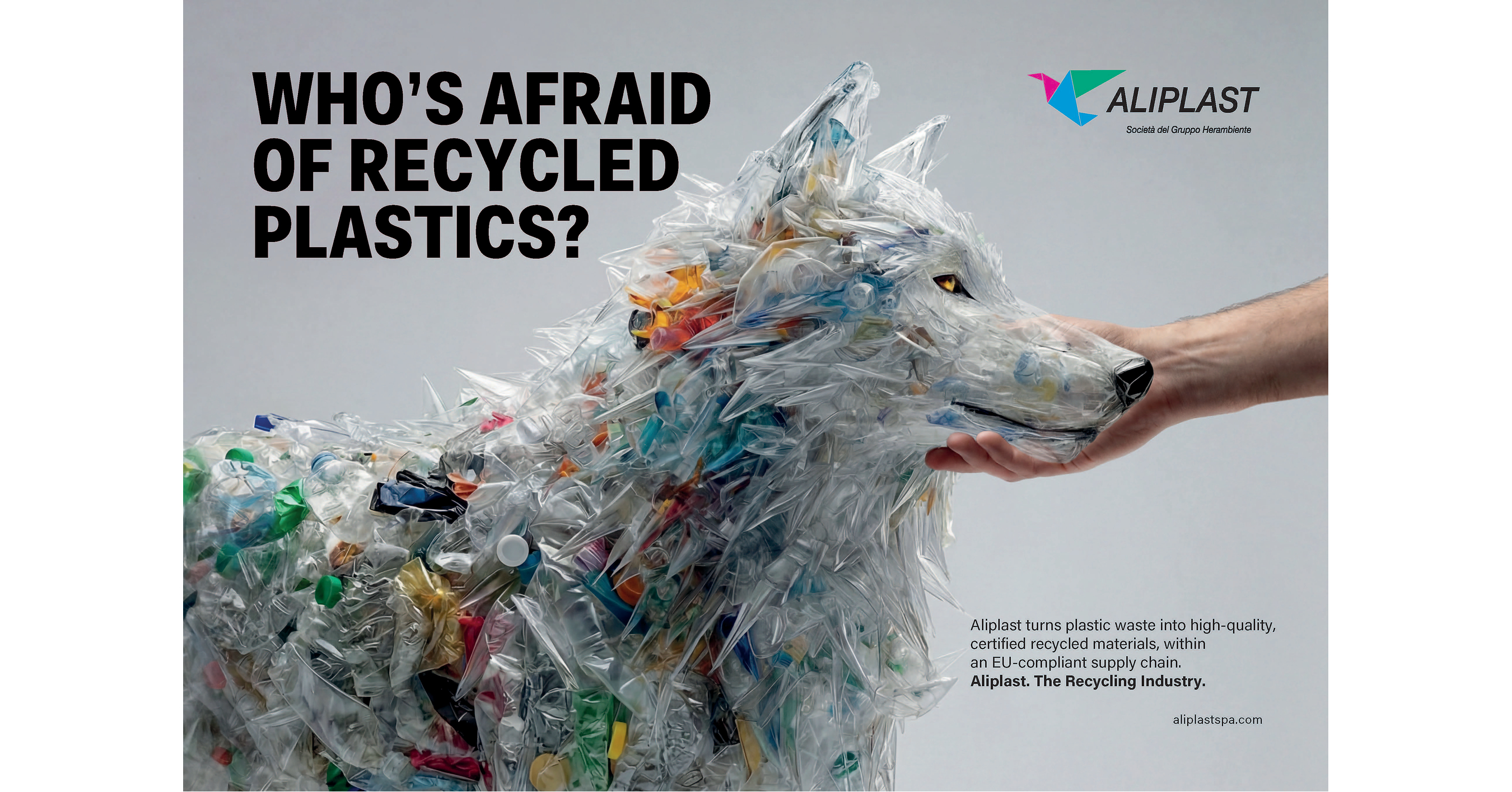
Aliplast (groupe Hera) signe un accord contraignant pour acquérir 70% de Kronos Polymer Polska via sa filiale Aliplast Polska, visant la création d’une nouvelle entité issue du démembrement de Kronos Polymer. Le site à Gniew (Pologne) disposera d’une capacité installée de 12 000 tonnes/an, et le plan global du groupe prévoit un doublement de capacité à plus de 210 000 tonnes/an grâce à des projets en Italie. La finalisation est attendue d’ici fin 2026 (sous conditions suspensives), dans un contexte de durcissement réglementaire européen (PPWR) qui renforce la demande de recyclage et d’économie circulaire.
The signal is less about near-term EBITDA and more about who controls scarce, permitted recycling assets once PPWR enforcement starts to matter. Integrated platforms with regional logistics, environmental permits, and customer certification should compound share at the expense of smaller merchant recyclers, because the real moat is not kilotons processed but access to compliant feedstock and downstream offtake contracts.
The immediate financial impact is likely modest relative to group scale, so I would not expect a material estimate revision in the next quarter. The more important 1-3 month catalyst is any hardening of EU member-state implementation timelines and procurement standards; if recycled-content requirements are delayed or loosely enforced, the premium for certified PE can fade quickly and the market may treat this as a strategic story rather than an earnings driver.
Second-order beneficiaries are the firms that sit closest to packaging compliance: collection, sorting, and traceability software, plus integrated waste managers that can internalize the margin stack. The losers are regional processors that rely on third-party feedstock and spot selling; they face margin squeeze if larger operators lock up supply and if transport costs keep favoring local circular loops.
Contrarian view: the market often overpays for "green capacity" before checking the spread economics. Recycled PE is still a spread business, so falling virgin resin costs, weak end-demand, or contamination in feedstock can compress returns even as headline capacity rises. The thesis is falsified if the deal slips materially beyond end-2026, if PPWR enforcement is watered down, or if disclosed recycled-material spreads fail to cover incremental processing costs.
AI-powered research, real-time alerts, and portfolio analytics for institutional investors.
Request TrialOverall Sentiment
moderately positive
Sentiment Score
0.45
