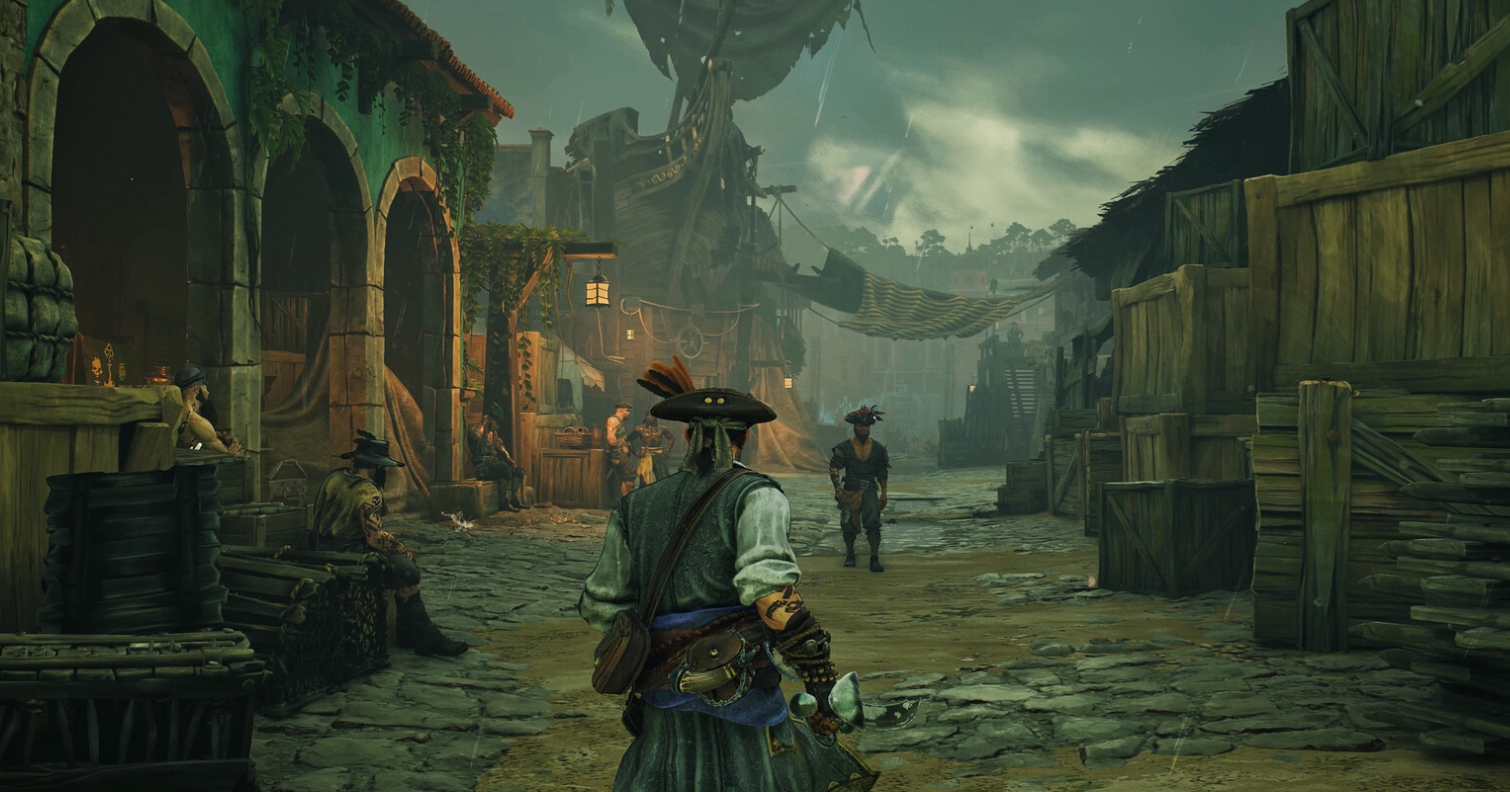
Indie developer Windrose Crew has released a PC demo for Windrose on Steam, a PvE open-world pirate survival game; the demo covers an early segment taking roughly 4–6 hours, three islands, early quests, a ship, core mechanics (naval combat, boarding, crafting, building) and a selection of weapons and enemies. Early traction is strong for an indie title—the game is in Steam’s top 30 by wishlists and the demo peaked above 13,000 concurrent players—though the team is resolving cooperative-play connection issues; demo players receive a decorative spyglass for the full release, signaling effective early engagement and wishlist conversion potential ahead of a commercial launch.
Market structure: A successful Windrose demo (top-30 wishlists, 13k peak) principally benefits PC distribution/platform ecosystems (Steam/Valve), middleware (Unity U), and mid/small-cap publishers that can monetize early-community momentum. Expect modest share-shifts within games publishing toward indie/survival niches over 3–12 months but limited pricing power impact on large console-first publishers; revenue upside is concentrated in discoverability and live-ops conversion rates (wishlists -> purchases >5–15%).
Risk assessment: Immediate operational risks are connection/co-op bugs that can blunt conversion; low-probability tails include platform policy changes or monetization bans (loot-box-like features) that could wipe early revenues. Over weeks–months the key hidden dependency is Steam algorithms — discoverability is non-linear (a 2x wishlist spike can produce >5x sales); catalysts include influencer coverage or positive Steam reviews within 7–14 days.
Trade implications: Direct plays favor software/middleware (U), diversified publishers (TTWO, RBLX) and select hardware exposure to GPUs (NVDA) if aggregate PC play trends lift hardware upgrade cycles; position sizing should be small (0.5–2%) and conviction-weighted by measurable engagement thresholds (wishlists, peak concurrent players). Use defined-risk options (3–6 month call spreads) to express upside and buy protective stops (8–10% band) given high idiosyncratic volatility in gaming names.
Contrarian angles: Consensus may overweight demo-virality; historically (e.g., Valheim, Subnautica) only a minority of indie demos convert to sustained cashflows — expect a 20–30% attrition in engagement after 4–8 weeks. Mispricings exist in middleware names priced for linear growth; if Steam discovery falters, small publishers will rerate down faster than diversified names, creating shortable opportunities.
AI-powered research, real-time alerts, and portfolio analytics for institutional investors.
Request DemoOverall Sentiment
mildly positive
Sentiment Score
0.28
