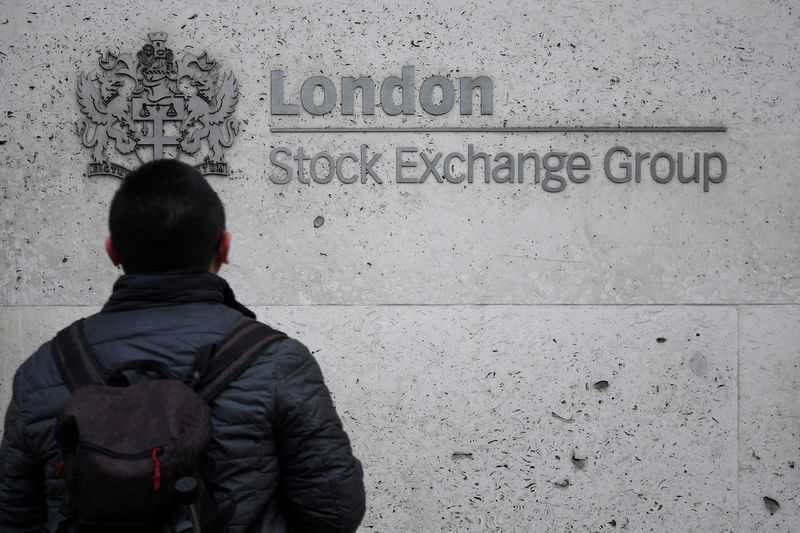
UK markets were subdued as strong May retail sales (+1.2% m/m, +3.2% y/y) were offset by a £5.6 billion public borrowing overshoot, with net borrowing at £23.3 billion and debt at 95.1% of GDP. In the U.S.-Iran backdrop, renewed uncertainty around the ceasefire and talks lifted oil prices (WTI +1.1% to $77.42, Brent +0.41% to $80.18) while spot gold fell 1.3% as safe-haven demand eased. The FTSE 100 slipped 0.12%, sterling was down 0.06% at $1.3197, and notable UK corporate headlines included PPHE Hotel Group saying Fattal’s £920.9 million bid was no longer feasible and Barratt Redrow naming Rebecca Napier as CFO.
The market is treating the U.S.-Iran de-escalation as an “everything up / safety down” shock, but the more durable signal is in cross-asset dispersion: crude firming while gold and sterling soften implies investors are pricing a narrower geopolitical tail risk, not a clean macro reflation. That matters because the first-order beneficiaries are not just energy producers; lower immediate war premium should unwind some defensive positioning in utilities, long-duration sovereign proxies, and precious-metal hedges that were crowded into the Middle East scare.
The UK tape is more structurally negative than the headline equity drift suggests. A borrowing miss of this size alongside record debt-servicing costs creates a feedback loop where fiscal slippage pushes gilt term premia higher, which then worsens debt-interest math and crowds out rate-sensitive domestic cyclicals. Second-order losers are UK housebuilders, levered retailers, and domestically oriented small caps: a weaker sterling and higher gilts can offset the help from decent retail volumes by keeping mortgage affordability and consumer confidence under pressure.
The political overhang is the bigger medium-term catalyst because it raises the probability of policy paralysis exactly when the UK needs credibility on issuance and spending. A leadership challenge would likely widen the spread between UK domestic equity beta and multinationals, since overseas earners can absorb sterling weakness while purely domestic names cannot. In energy, the Strait of Hormuz fee-waiver looks like a tactical attempt to anchor flows, but any sign that transit conditions are being actively managed rather than normalized keeps a latent upside skew in crude over the next few weeks.
The contrarian read is that the move in gold may be too aggressive if ceasefire optics continue improving: safe-haven liquidation can overshoot when positioning is one-way, creating a better re-entry point rather than a structural bearish call. Conversely, the market may be underpricing the fiscal-dominance story in the UK, where rising debt service can become self-reinforcing faster than consensus expects, especially if political instability lifts the risk premium on sterling and gilts together.
AI-powered research, real-time alerts, and portfolio analytics for institutional investors.
Request DemoOverall Sentiment
neutral
Sentiment Score
-0.05
