







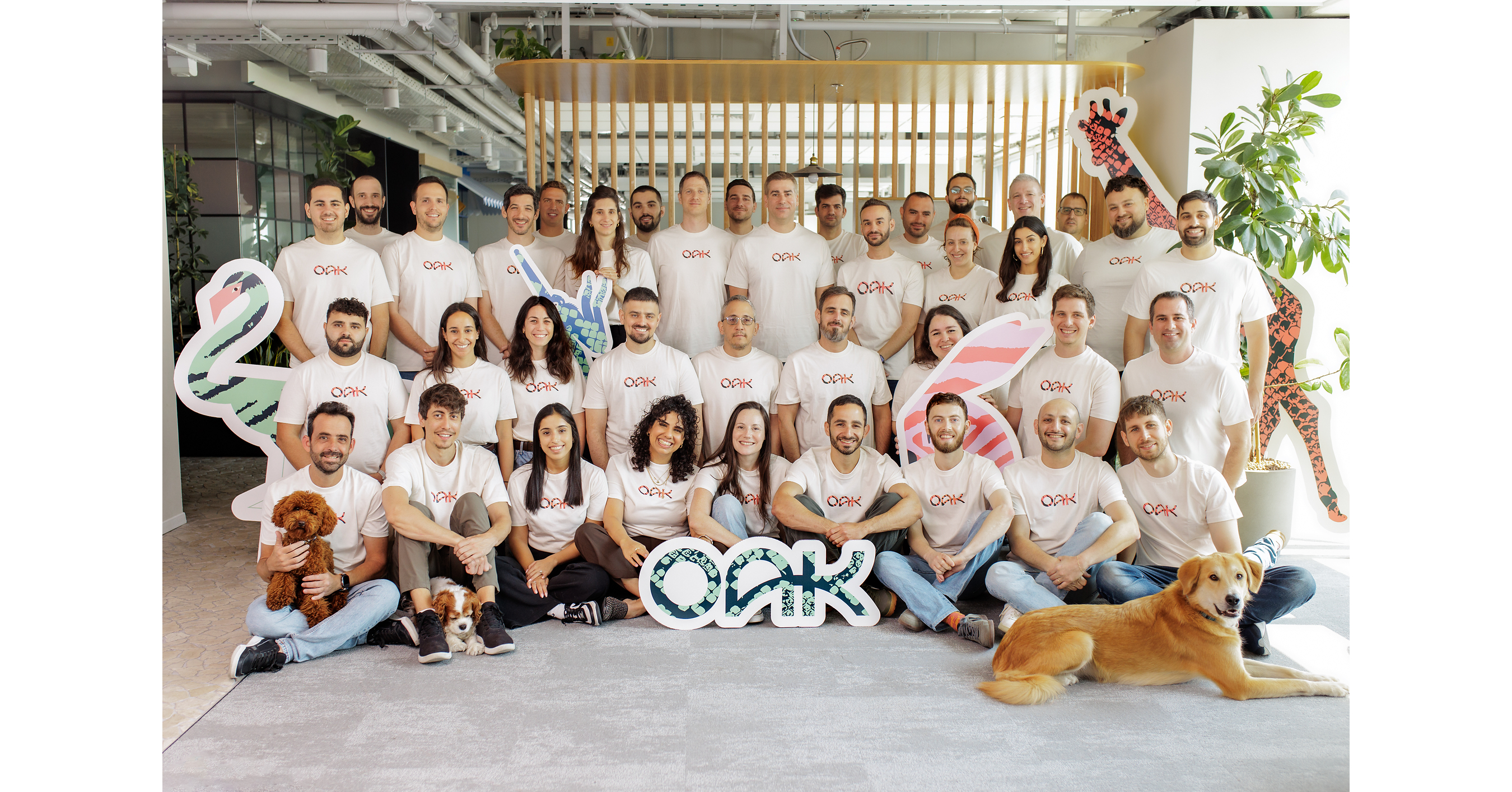
Oak, an AI-native identity security startup, emerged from stealth with $60M in seed funding to build an Identity Operating System for enterprise access governance across humans, machines, and AI agents. The platform is designed to replace fragmented legacy identity tools with a continuously updated control plane and AI-built live identity graph, with general availability already deployed at enterprise customers. The announcement is likely to be viewed positively by investors as it targets a large, growing IAM/AI identity attack surface (Black Hat USA showcase in Aug 2026), though it is not yet a public-company market-moving event.
This is more of a category signal than a company-specific event. The near-term winners are the broad platform vendors that can bundle identity into an existing control plane, while the losers are point-solution vendors with brittle connectors and limited workflow ownership. That argues for modest relative support for PANW and, to a lesser extent, TENB if management can credibly show identity as part of a broader platform rather than a standalone SKU; the market tends to pay up for consolidation stories, not feature add-ons.
The second-order effect is on budget allocation inside the CISO org: if AI agents and machine identities become a board-level governance issue, spend shifts from static provisioning toward continuous verification, entitlement analytics, and automated remediation. That is constructive for companies with large installed bases and telemetry advantages, but negative for vendors that rely on manual administration or professional services-heavy deployments. CRM is an indirect beneficiary only if agent governance becomes a prerequisite for enterprise AI rollout, but this is a longer-cycle budget line item, not a near-term revenue catalyst.
The biggest risk is that the private market narrative runs ahead of procurement reality. Identity modernization is slow because it sits on top of HR, ITSM, PAM, and compliance processes; even a well-funded entrant can win pilots quickly and still take 12-24 months to displace incumbents. If we see no evidence of a sustained deal-cycle shift by the next 2-3 quarters of earnings commentary, the read-through to public names should fade. A contrary signal would be a measurable acceleration in large enterprise IAM re-platforming spend or a step-up in partner/ecosystem references from the incumbents.
The consensus may be underestimating how much this validates the identity category overall, but overestimating how quickly a seed-funded startup can pressure public comps. The more actionable trade is not a direct short on PANW/TENB; it is a watchlist on whether customers start preferring integrated platforms over best-of-breed stacks. If that shows up, fragmented names will see multiple compression before revenue impact is visible.
AI-powered research, real-time alerts, and portfolio analytics for institutional investors.
Request TrialOverall Sentiment
mildly positive
Sentiment Score
0.35
Ticker Sentiment
