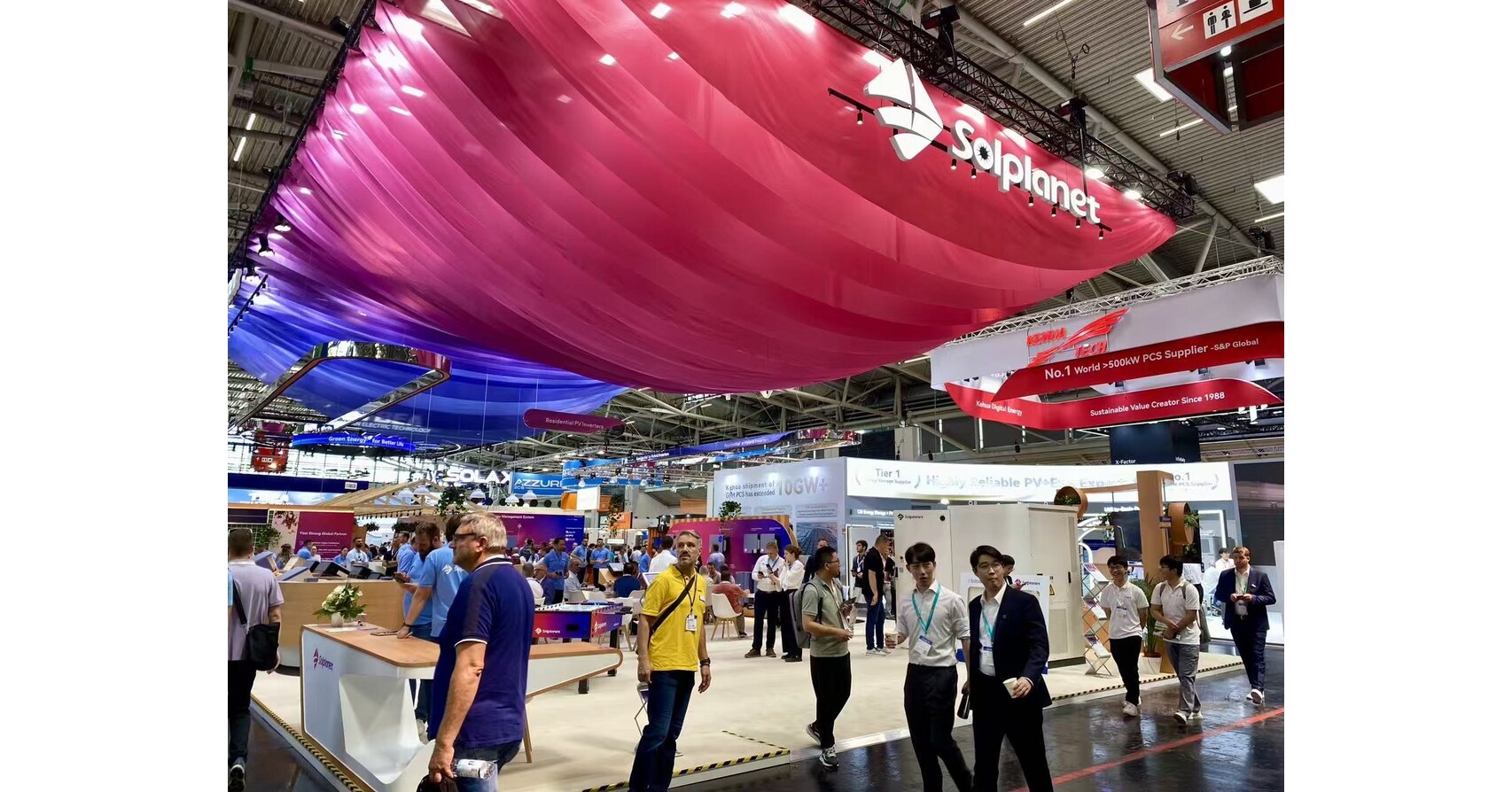
Solplanet stellt auf der Intersolar Europe 2026 (München) ein „KI-Modus“-System für Gewerbe- und Industriekunden vor, das String-PV-Wechselrichter, Hybrid-Wechselrichter und Speichersysteme über eine zentrale Architektur zusammenführt. Das Produkt zielt auf schnellere Inbetriebnahme, skalierbaren Betrieb und KI-gestützte Optimierung (z. B. Eigenverbrauch, Spitzenlastabdeckung, Lastverschiebung und Netzintegration) sowie Backup-Funktionalität inkl. optionaler Generatorintegration ab. Insgesamt adressiert die Initiative den europäischen Bedarf an flexiblerer Energiesteuerung bei volatilen Strompreisen, Netzengpässen und steigenden Netzentgelten.
The market should treat this as a product-positioning event, not a fundamental re-rate. In C&I energy systems, the economic prize is not the inverter box; it is the software layer that reduces commissioning friction, improves utilization, and locks in multi-site fleets. That structurally favors incumbents with broader balance sheets and services reach — names like Schneider Electric (SU.PA/SBGSY), ABB (ABBN.SW/ABBNY), and Siemens (SIEGY) — over single-product solar hardware vendors that risk being commoditized as system integration shifts upward in the stack.
The second-order effect is margin compression for hardware-only players if AI becomes table stakes. If competitors can bundle comparable energy management with batteries and EV charging, pricing power migrates away from inverter OEMs toward the control plane and installation channel. The most exposed public comps are the higher-beta solar hardware names, especially SolarEdge (SEDG) and Enphase (ENPH), where investors may be paying for software optionality that is increasingly distributed across the ecosystem rather than proprietary.
Time horizon matters: over the next 1-3 months, this is likely a sentiment/EMEA conference story with little financial impact unless management quantifies attach rates, software revenue, or backlog conversion. Over 6-18 months, the real catalyst is whether C&I storage economics in Europe force procurement toward integrated platforms; if not, this remains marketing. The thesis is falsified if product launches fail to translate into higher service revenue, better gross margins, or clearer win rates versus incumbent EMS providers.
Contrarian view: the consensus may be overestimating the value of "AI" in this category. Buyers will prioritize uptime, payback period, and grid-connection constraints; if the AI layer does not shorten installation time or improve IRR, it will not justify premium multiples. In that case, the winners are not the branded solar OEMs, but the firms that own the electrical infrastructure and fleet-management workflow.
AI-powered research, real-time alerts, and portfolio analytics for institutional investors.
Request DemoOverall Sentiment
mildly positive
Sentiment Score
0.15
