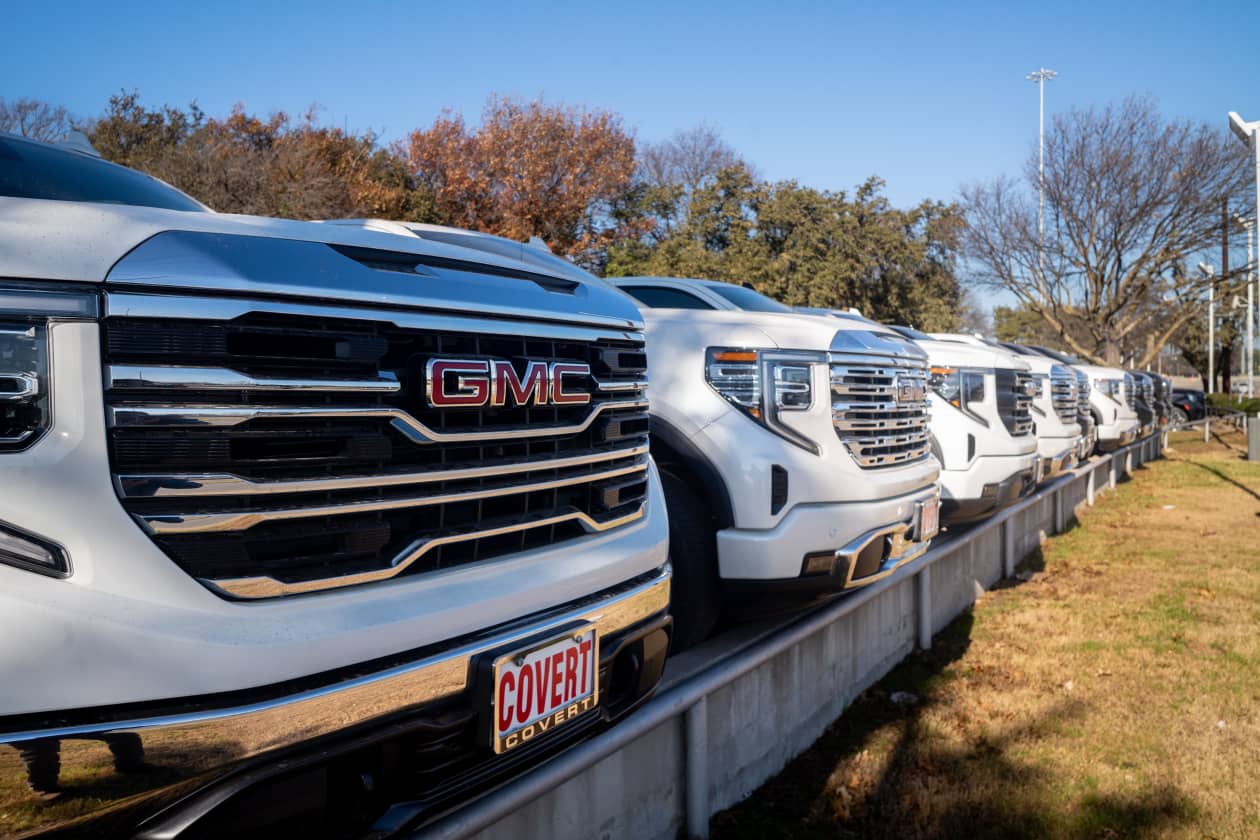
General Motors said it delivered solid March-quarter earnings and remained the U.S. sales leader after delivering about 626,000 vehicles. Higher gas prices tied to U.S.-Iran conflict weighed on auto sales in the first quarter as some consumers delayed purchases, but GM said shopping behavior has stayed consistent. The article suggests mild near-term pressure on demand rather than a major fundamental shift.
The immediate read-through is less about GM’s quarter and more about demand elasticity in autos: higher fuel costs do not kill unit demand overnight, but they do change mix and timing. That typically helps the OEMs with the broadest portfolio and strongest ICE-to-hybrid/EV transition optionality, while pressuring pure-play ICE-heavy rivals and lower-income subprime channels first. The second-order effect is that a sustained gas spike compresses the replacement cycle for larger vehicles and pushes cross-shopping toward smaller, more efficient trims, where margin mix can deteriorate before headline volume does.
The real medium-term catalyst is not one quarter of fuel volatility; it is whether consumers infer a persistent energy regime shift. If gasoline stays elevated for 2-3 months, EV and hybrid consideration sets can broaden materially, but the conversion path is usually via order books and dealer traffic before it shows up in deliveries. That means the market may be underpricing a lagged benefit to EV leaders and battery supply chain names if geopolitical risk keeps pump prices elevated into the next selling season.
For GM specifically, the stock likely benefits from being viewed as a defensive incumbent with flexibility, but that’s also the risk: consensus may be treating it as a stable beneficiary when the real upside could accrue to companies with cleaner exposure to efficiency-driven share shifts. If gas normalizes quickly, this whole thesis fades fast; if not, the biggest losers are automakers with weaker pricing power and more commodity-sensitive product mixes. The critical watch item over the next 30-90 days is not earnings, but whether dealer inventories and incentive spend start rising to defend volume.
Contrarian view: the market may be overestimating how quickly consumers switch vehicles in response to fuel prices. The more probable near-term response is delayed purchases, not immediate trade-in activity, which can soften industry volumes before any EV mix benefit appears. That creates a short window where headline auto demand looks weaker even though the structural winners from electrification are improving underneath.
AI-powered research, real-time alerts, and portfolio analytics for institutional investors.
Request DemoOverall Sentiment
neutral
Sentiment Score
0.15
Ticker Sentiment
