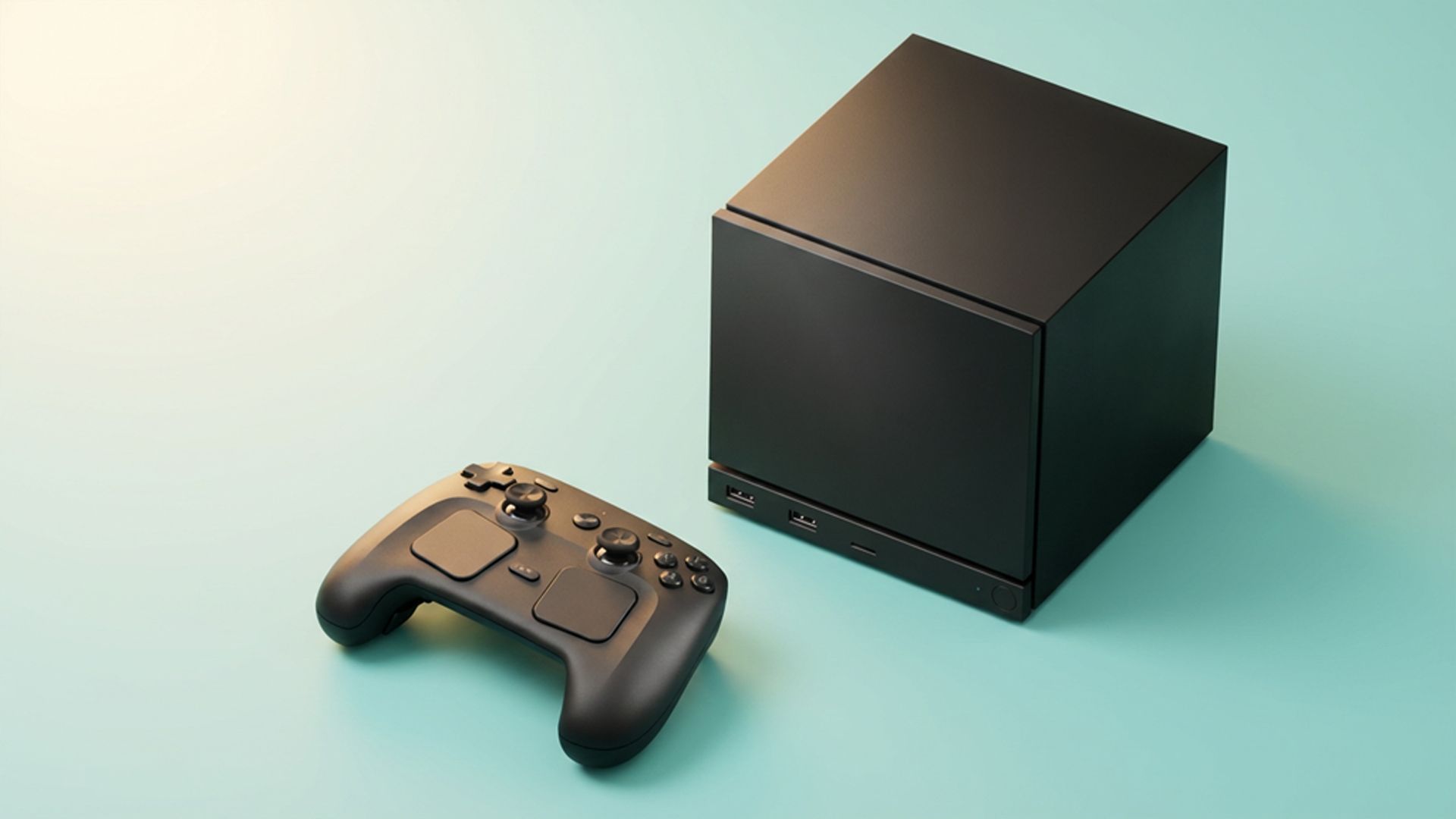
Valve may roll out the new Steam Controller in the coming weeks, potentially ahead of the broader Steam Machine console launch expected in 2026. The article says Valve has reportedly received a large US shipment of controllers, but the console itself could still face timing risk amid the ongoing RAM shortage and related supply constraints. The update is incremental and speculative rather than a confirmed launch, so near-term market impact should be limited.
The investable signal here is not Valve hardware demand per se, but the read-through on gaming input and “living room PC” adoption if the controller ships ahead of the box. An early controller release would function as a low-cost ecosystem seeding event: it expands the installed base of Valve-native input devices before the heavier inventory risk of a full console launch, and it may modestly pull forward accessory and software engagement without forcing Valve to commit to a large console price point into a volatile memory-cost environment.
The bigger second-order effect is competitive pressure on premium console peripherals and mid-tier handheld-PC ecosystems. If Valve’s controller lands well, it can normalize touchpad-centric hybrid control for a broader audience, which is a subtle threat to third-party controller vendors and a marginal tailwind for accessory attach rates across the PC gaming stack. The more important constraint is supply-chain flexibility: if memory and board-level inputs remain tight, Valve likely optimizes for the highest-margin, lowest-BOM item first, which makes an accessory-first rollout rational and also a warning that any full-system launch could remain lumpy for multiple quarters.
The contrarian view is that the market may be overestimating the signaling value of a phased launch. A controller release does not de-risk console execution; it can just as easily indicate Valve is trying to preserve momentum while the main box is delayed. If the controller sells through quickly, that is bullish for ecosystem interest, but it may also absorb part of the early hype without materially improving the probability of a timely console launch.
From a trading lens, this is a better expressible theme through adjacent beneficiaries than through Valve itself. The setup favors names exposed to premium PC gaming peripherals, alternative controllers, and DIY mini-PC configurations if Valve’s timeline slips further, because consumers will substitute toward incremental upgrades rather than wait for the full system. The main catalyst window is the next 4-8 weeks if accessory shipments are confirmed; beyond that, the trade becomes a memory-cost and launch-date call rather than a pure product-rollout story.
AI-powered research, real-time alerts, and portfolio analytics for institutional investors.
Request TrialOverall Sentiment
neutral
Sentiment Score
0.10
