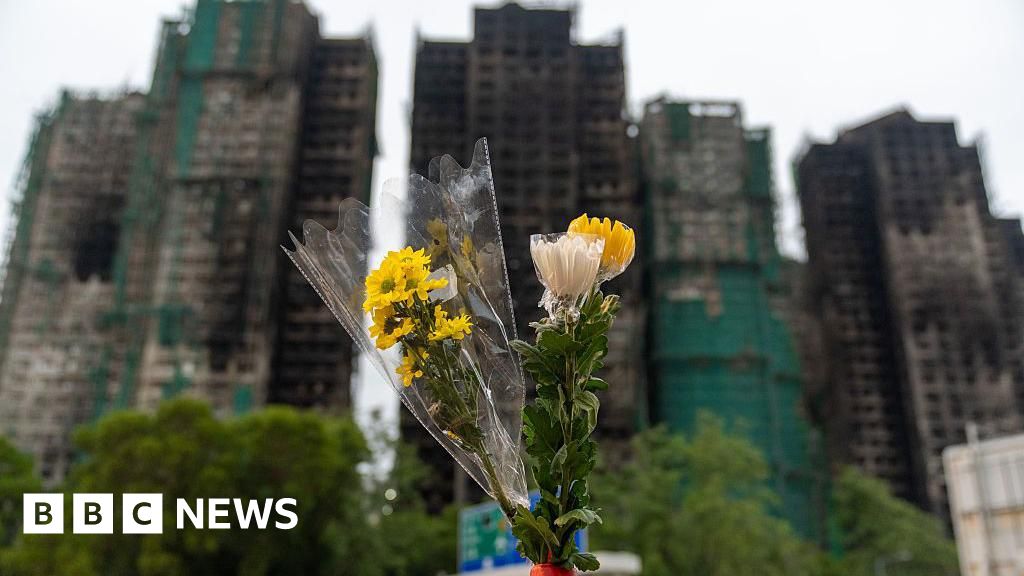
A devastating fire in Tai Po killed at least 159 people, displaced thousands and triggered an immediate government response including an independent inquiry, a review of the building-works system and temporary aid; investigators arrested 15 people on suspicion of manslaughter and ordered removal of non-compliant flame-retardant mesh. Student activist Miles Kwan was arrested by national security police after launching a petition that garnered over 10,000 signatures and is now out on bail, prompting public anger as authorities warn against 'exploiting' the tragedy ahead of a Legislative Council election. The combination of heightened regulatory scrutiny of construction/renovation contractors and an intensified security/political response increases short-term political risk and could weigh on Hong Kong investor sentiment and sectoral real-estate exposure.
Market structure: The immediate winners are vendors of compliant retrofit materials, licensed contractors and government-backed service providers; losers are local landlords/developers, small contractors and any insurer with concentrated fire liability exposure. Expect a 5–15% near-term re-rating on Hong Kong-listed property equities versus mainland peers as political/legal risk is re-priced; building-safety services could see a demand spike of +10–20% in tender flow over 3–12 months.
Risk assessment: Tail risks include a politicized crackdown that triggers sustained capital outflows (>US$10–30bn over months) and a 15–30% drawdown in the Hang Seng if protests escalate or sanctions follow; alternatively, a rapid government concession/investigation that calms markets could cap downside to <10%. Time bands: days (election/short-term volatility), weeks–months (investigation and litigation outcomes), quarters–years (structural shifts in listing flows, property valuation regimes). Hidden dependencies: HKD peg, Mainland investor quotas and insurer balance sheets—any stress there amplifies cross-asset moves.
Trade implications: Tactical hedges on Hong Kong beta and selective short in property are warranted while maintaining optionality for a mean-reversion trade if panic overshoots. Cross-asset: bid for safe-haven gold and USD; HK sovereign issuance to fund relief could pressure short-end yields and widen IG corporate spreads in HK construction/real estate names.
Contrarian angles: Consensus focuses on repression risk but understates near-term commercial opportunity from mandated retrofits and tighter building codes — select contractors with clean balance sheets could outperform by 20–40% over 6–12 months. Historical parallel: 2019 Hong Kong shock produced sharp drawdown then partial bounce within 6–12 months; if investigation yields incremental reforms (not systemic collapse), buy-the-dip setups will be available at >15% dislocations.
AI-powered research, real-time alerts, and portfolio analytics for institutional investors.
Request DemoOverall Sentiment
mildly negative
Sentiment Score
-0.25
