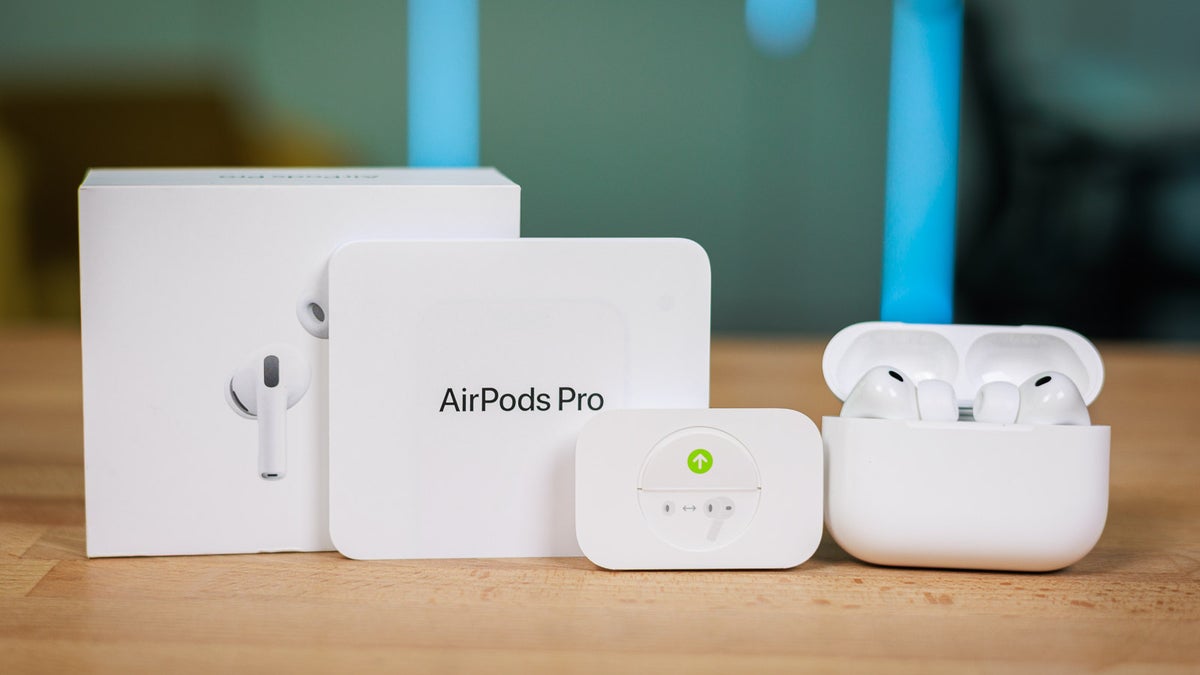
Apple is reportedly in late-stage development on AirPods with cameras, positioning the product as an AI-powered wearable that could answer queries, give directions, and take pictures without requiring smart glasses. The article also says Apple is advancing smart glasses and has diverted resources from Vision Pro toward that effort, while noting the company is also considering a camera-equipped pendant. The piece is largely opinionated, but the core takeaway is a potentially novel product category that could broaden Apple’s wearables ecosystem.
This reads less like a near-term product story and more like confirmation that Apple is choosing the lowest-friction on-ramp into ambient AI: something already worn, already charged, already paired, and already normalized in public. If Apple can turn a headphones refresh into a compute layer, it expands the TAM for AI wearables without forcing consumers to adopt a new form factor; that is structurally more dangerous to Meta and Google than another incremental smart-glasses SKU because it bypasses the social acceptance hurdle that has slowed AR adoption.
The second-order implication is distribution power, not hardware novelty. AirPods are a gateway product with unusually high upgrade frequency and strong ecosystem lock-in, so even a modest attach rate for camera-enabled models could shift conversational AI usage away from standalone devices and into Apple’s services stack over 12-24 months. That would pressure competitors’ ability to monetize a premium display-free wearable experience, while also raising the value of Apple’s on-device inference, privacy positioning, and accessory ecosystem economics.
The market is likely underpricing the signaling effect for component suppliers and overpricing the immediate threat to smart glasses revenue. The real catalyst path is not mass adoption on day one; it’s Apple normalizing a category, then using software updates and retail distribution to compress the iteration cycle. The main risk is execution on battery, thermal limits, and privacy backlash, any of which could delay commercialization by 6-18 months and turn this into a hype-cycle trade rather than a product cycle.
Contrarian view: the consensus may be too eager to call this a glasses killer. Cameras in earbuds solve adoption friction, but they also create a worse point-of-view and weaker social utility than eyewear for navigation and capture, so the addressable use cases may be narrower than bulls assume. If that proves true, the winners will be Apple’s ecosystem and select sensor/module vendors, while the direct negative read-through to Meta/Google could be overstated beyond the initial sentiment shock.
AI-powered research, real-time alerts, and portfolio analytics for institutional investors.
Request DemoOverall Sentiment
moderately positive
Sentiment Score
0.60
Ticker Sentiment
