
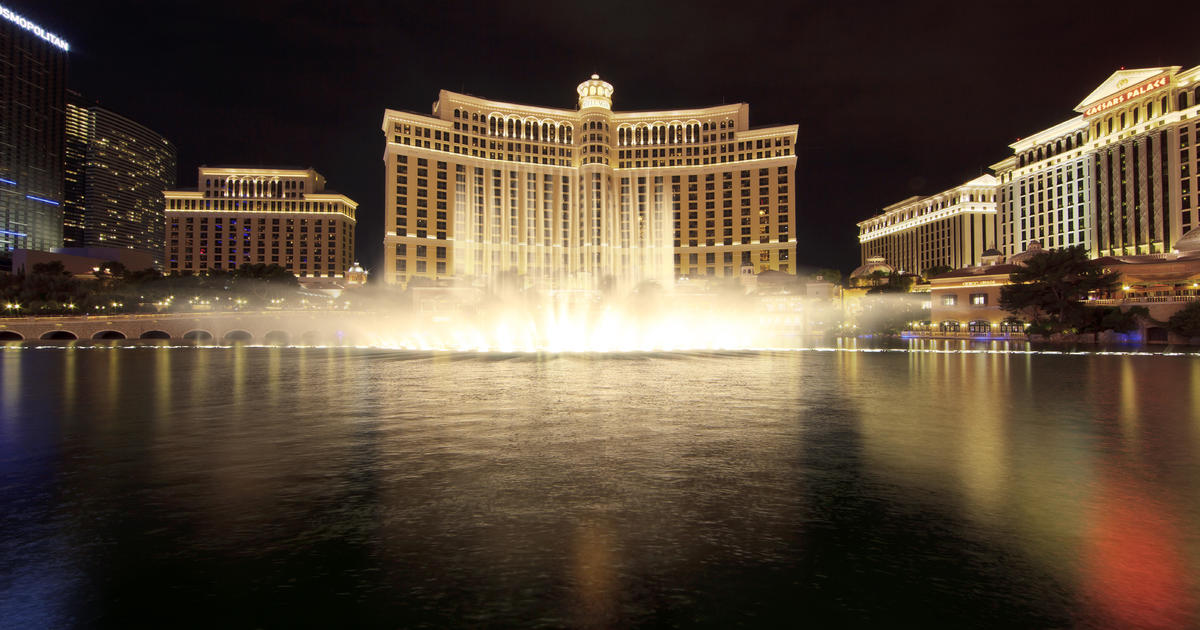
Barry Diller's People Inc. offered to buy the remaining MGM Resorts shares at $48.30 per share in cash, valuing the company at more than $18 billion after building a 26.1% stake worth about $2.9 billion. The proposed acquisition would take MGM private, with funding expected from cash on hand plus additional debt and equity commitments. The deal highlights Diller's view that MGM's real-world hospitality assets are insulated from AI disruption.
This is less a classic hostile bid and more a control-logic event: a 26% holder with operating conviction is effectively signaling the public market has been mispricing the durability of a high-barrier asset base. The second-order implication is that MGM’s standalone value is likely being anchored to mid-cycle gaming multiples, while the buyer is underwriting a private-asset + cash-flow + digital distribution mix that the public market doesn’t usually reward with the same multiple. That gap should compress quickly for the stock, but it may widen for peers if investors start assigning “strategic takeout optionality” to other asset-heavy leisure names.
The main loser is not just short MGM arbitrage fails; it is any operator dependent on capital intensity and cyclical cash flows without a clear strategic owner. If financing is real, this tells you private capital still has appetite for theme-park, casino, hotel, and experiential assets because they are harder to disrupt than software-like businesses and can be levered into stable free cash flow. That should be mildly supportive for asset-light digital leisure names only insofar as they can be layered onto these physical platforms; otherwise the more likely spillover is that peers trade up on scarcity value, not on fundamentals.
The key risk is deal execution, not price. A cash-plus-debt structure at this size is vulnerable to credit-market widening, gaming regulator scrutiny, and governance pushback if minority holders believe the premium is too thin relative to control value. Time horizon matters: the stock can gap toward the offer quickly, but the spread may persist for weeks if financing commitments or board process become contested; if the deal dies, MGM could retrace sharply because the market would then have to reprice the business back to operating fundamentals rather than takeout value.
Contrarian view: the market may be underestimating how much this bid is a signal about the scarcity of hard-asset businesses with embedded optionality in a world increasingly priced around AI disruption. If that framework spreads, the real trade is not MGM alone but a re-rating of experiential assets with governance complexity and under-monetized digital channels. The flip side is that “AI-resistant” rhetoric can mask the fact that these businesses still depend on discretionary consumer spend and leverage; if macro softens, the premium can evaporate faster than the strategic story can be defended.
AI-powered research, real-time alerts, and portfolio analytics for institutional investors.
Request TrialOverall Sentiment
moderately positive
Sentiment Score
0.58
Ticker Sentiment
