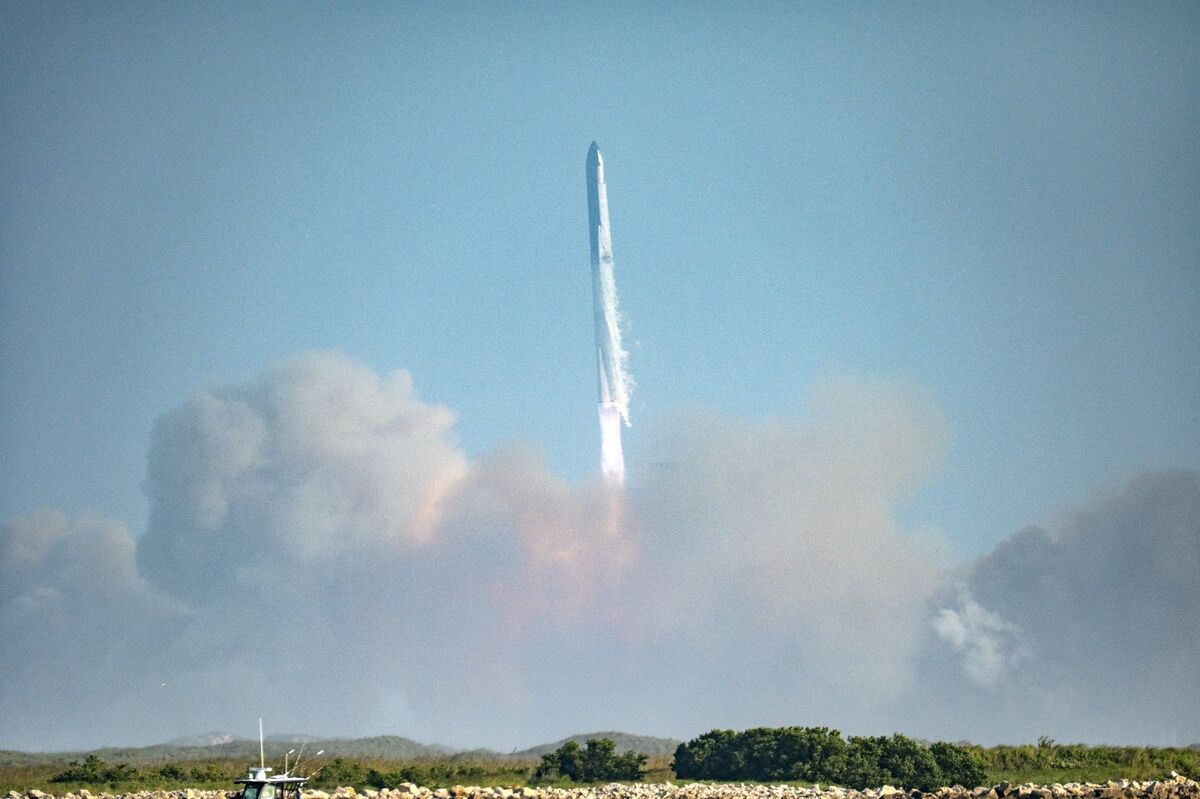
SpaceX’s IPO is drawing more than $70 billion in retail orders and billions more from Middle Eastern sovereign wealth funds, implying extraordinary demand for the roughly $75 billion offering. The piece frames the deal as highly speculative and potentially overvalued, with comparisons to crypto and warnings from skeptics like Jim Chanos. Separately, the article notes President Trump’s renewed threats against Iran and Kharg Island, adding a geopolitical risk backdrop but not the main market driver.
The setup is less about the issuer and more about a liquidity reflex: a truly scarce private growth asset is being used as a public-market proxy for AI, space, and prestige, so marginal buyers are not price-sensitive in the first print. That creates a short-lived but very powerful mechanical bid across late-stage private comps, secondary desks, and adjacent “must-own” mega-cap growth names as allocators rebalance toward the narrative. The bigger second-order effect is not the IPO itself, but the signal it sends to every board and banker with a unicorn asset: windows are open, and pricing power in private markets can be translated into public-market supply.
The crowding risk is substantial. When retail demand becomes a headline and sovereign wealth fund participation is cited as validation, the trade migrates from fundamental underwriting to status signaling, which tends to inflate implied volatility, option premiums, and borrow costs in any eventual hedgeable instrument. That usually produces a two-stage pattern: a strong opening burst over days, then a slower mean reversion over weeks as lockup/valuation reality and insider distribution concerns matter more than the mythology.
The clean contrarian read is that the most obvious longs may already be overcrowded before the first trade. If the issue prices well and debuts strongly, the better trade may be fading the second derivative through peers and instruments that have run on sympathy rather than direct exposure. Conversely, if the offering is even modestly weak, sentiment can unwind fast because the thesis is narrative-heavy and there is no cash-flow anchor to defend it; that makes the downside asymmetric over a 1-3 month horizon.
Geopolitics matters only insofar as it reinforces the broader risk-on/risk-off backdrop. Any escalation that hits energy or defense sentiment could temporarily support the “hard assets + frontier tech” complex, but it also raises duration pressure and could narrow the investor base for speculative growth listings. In that environment, the market’s willingness to pay for story assets is the real variable to watch, not the headline IPO size.
AI-powered research, real-time alerts, and portfolio analytics for institutional investors.
Request DemoOverall Sentiment
moderately positive
Sentiment Score
0.35
