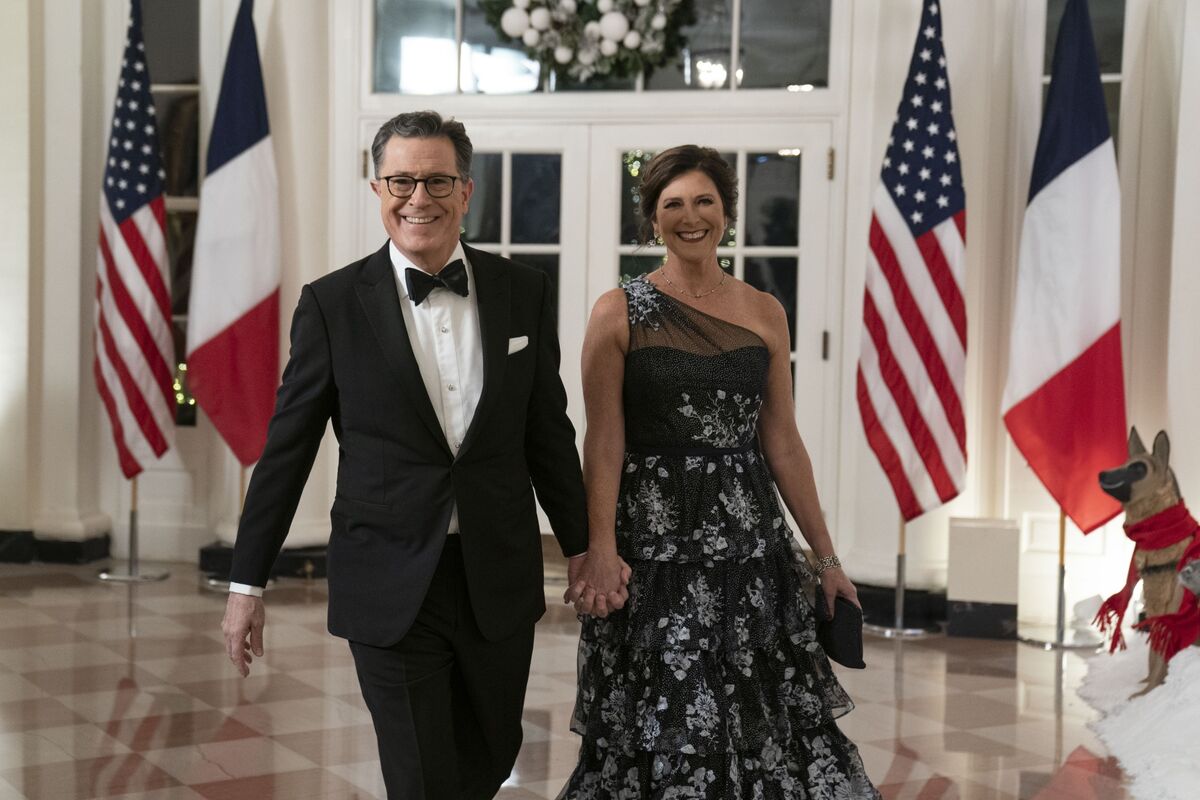
The article suggests a significant shift in late-night television, indicating 'The Late Show' is reportedly concluding as the first of its kind, potentially signaling broader industry changes. Concurrently, it notes National Public Radio CEO Katherine Maher has joined the Screentime lineup, occurring amid congressional funding cuts to public broadcasters.
The article outlines two distinct but related thematic shifts within the Media & Entertainment sector. Firstly, it reports that "The Late Show" is ending, positioning this event as a catalyst for the decline of the traditional late-night television format and the start of a new "Ellison Era," a term for which the article provides no further definition or context. This claim, if substantiated, would represent a significant disruption in broadcast media. Secondly, the piece highlights mounting pressure on public media, citing a report that Congress is cutting funding for public broadcasters. In parallel, it notes that National Public Radio's CEO, Katherine Maher, is joining an engagement named "Screentime." Despite the significance of these reported events, the article lacks official corporate sources or quantifiable data, and the associated signals indicate a neutral sentiment and zero market impact, suggesting the information is either not widely confirmed or not perceived as immediately market-moving.
AI-powered research, real-time alerts, and portfolio analytics for institutional investors.
Request DemoOverall Sentiment
neutral
Sentiment Score
0.00
