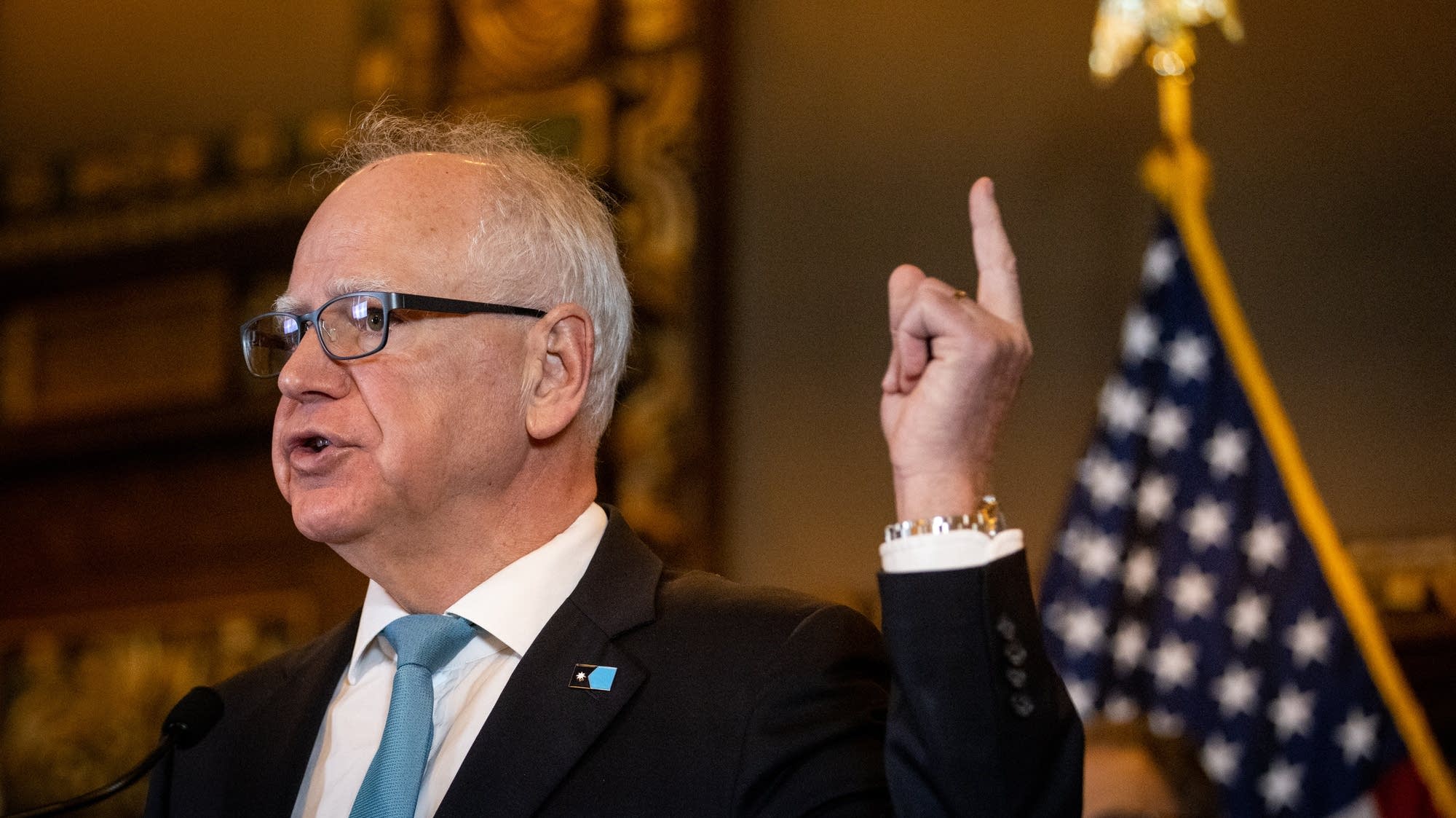
Minnesota Gov. Tim Walz characterized a federal freeze on Medicaid funding as "totally illegal and unprecedented," framing the action as the start of a political and legal confrontation over federal-state health financing. The funding freeze risks disrupting Medicaid reimbursements, putting pressure on state budgets and healthcare providers that rely on those payments. Near-term market impact is likely limited, but an extended freeze or successful litigation could increase credit stress for state finances and healthcare-sector exposures tied to Medicaid funding.
Market structure: A federal Medicaid funding freeze shifts cash flows sharply toward state balance-sheet risk and away from Medicaid-focused private payers/providers. Direct losers are Medicaid-heavy insurers (CNC, MOH), safety-net hospitals, and state munis; winners in a risk-off move are high-quality Treasuries and diversified national payers (UNH, ELV) that can absorb short-term payment delays. Expect Medicaid receivables to spike 30–90 days, pressuring working capital and short-term credit lines for smaller providers.
Risk assessment: Tail risks include protracted CMS litigation or a partisan appropriation impasse causing >90-day payment disruptions, leading to provider insolvencies and state downgrades. Immediate (days) volatility will be headline-driven; short-term (weeks–months) is legal clarity; long-term (quarters) depends on Congressional action and election-year dynamics. Hidden dependencies: managed-care capitation structures, state rainy-day funds, and reinsurance pools that mask real cash shortfalls.
Trade implications: Favor short exposure to pure-play Medicaid names (CNC, MOH) and long duration/high-quality Treasuries vs short munis (MUB) to capture muni-Treasury spread widening; use 1–3 month options to express views and cap downside. Sector rotation: reduce small-cap hospitals/REITs by 2–5% and overweight diversified payers and cash/T-bills for 2–6 weeks pending legal signals.
Contrarian angles: Market may over-penalize larger diversified insurers—UNH/ELV could bounce 8–15% if funding is quickly restored; avoid indiscriminate selling. Historical parallels: payment standoffs (2013 shutdown) produced quick reversals once legal/legislative fixes emerged; therefore size shorts to 1–3% of portfolio and use option structures to limit gamma risk.
AI-powered research, real-time alerts, and portfolio analytics for institutional investors.
Request DemoOverall Sentiment
moderately negative
Sentiment Score
-0.35
