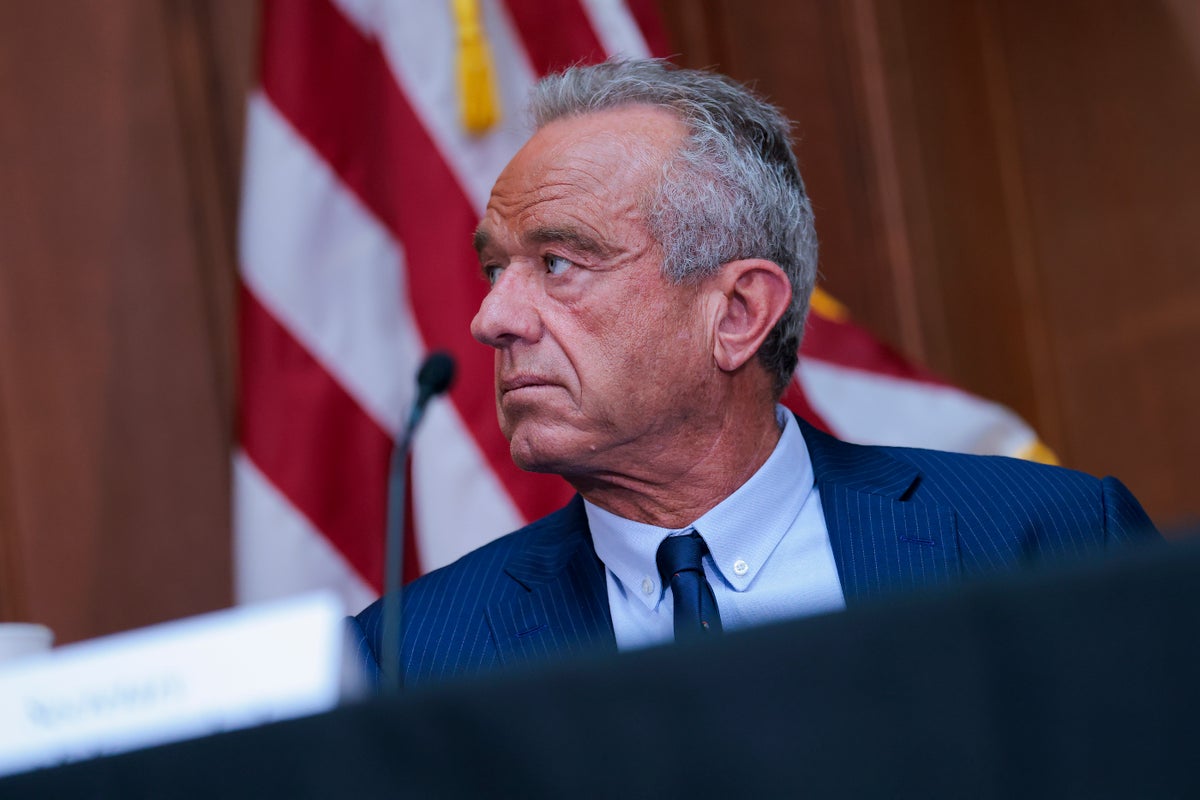
A new U.S. surgeon general advisory warns that excessive screen time may harm children's mental and physical health, with HHS Secretary Robert F. Kennedy Jr. citing worsening depression, anxiety, physical inactivity, academic performance, and social development. The advisory recommends family media plans, clinician screening questions, and more research, while also urging tech companies to warn users about overuse. The economic and market impact is limited, but the guidance could add pressure on schools, social media platforms, and consumer tech firms facing growing scrutiny.
This is less a near-term monetizable catalyst than a policy signal that shifts the overhang from “social concern” to “regulatory line of sight.” The important second-order effect is that once screen exposure is framed as a child-safety issue, the debate broadens from social media to devices, apps, ad targeting, gaming, and even pediatric telehealth UX—expanding the set of companies that may face compliance costs, warning labels, age-gating friction, and higher product-liability scrutiny over the next 6-18 months.
The most exposed equities are not the obvious mega-cap platforms alone; it is the ecosystem with the highest engagement-dependent revenue model and the lowest parental trust. That creates a relative value setup: ad-supported consumer internet and gaming names face a modest multiple drag if lawmakers, school districts, or state AGs adopt stricter standards, while firms with enterprise/workflow exposure or hardware less dependent on habitual use should be comparatively insulated. Schools and family-safety software vendors could benefit, but this is more of a feature-boost than a true earnings inflection unless procurement budgets accelerate.
The consensus may be overestimating direct revenue damage and underestimating behavioral substitution. If families reduce discretionary screen use, some spend migrates to passive entertainment, outdoor/activity, education, and paid services that help manage screen discipline; that argues for only a partial demand haircut to tech, not a category kill. The bigger risk is a slow-burn regulatory regime that raises customer acquisition costs and reduces time spent per user, which can compress ARPU over multiple quarters without showing up immediately in headline metrics.
From a catalyst standpoint, the next 30-90 days matter more for sentiment than fundamentals: school cellphone bans, state legislation, pediatric guidance, and platform policy changes can all reinforce each other. The tail risk is that a major incident tied to youth mental health or online gambling/gaming turns this from advisory into legislative action, which would sharply re-rate the most engagement-heavy names. Conversely, any pushback from medical or academic groups emphasizing nuance could cap the downside by keeping enforcement localized rather than federal.
AI-powered research, real-time alerts, and portfolio analytics for institutional investors.
Request DemoOverall Sentiment
mildly negative
Sentiment Score
-0.15
Ticker Sentiment
