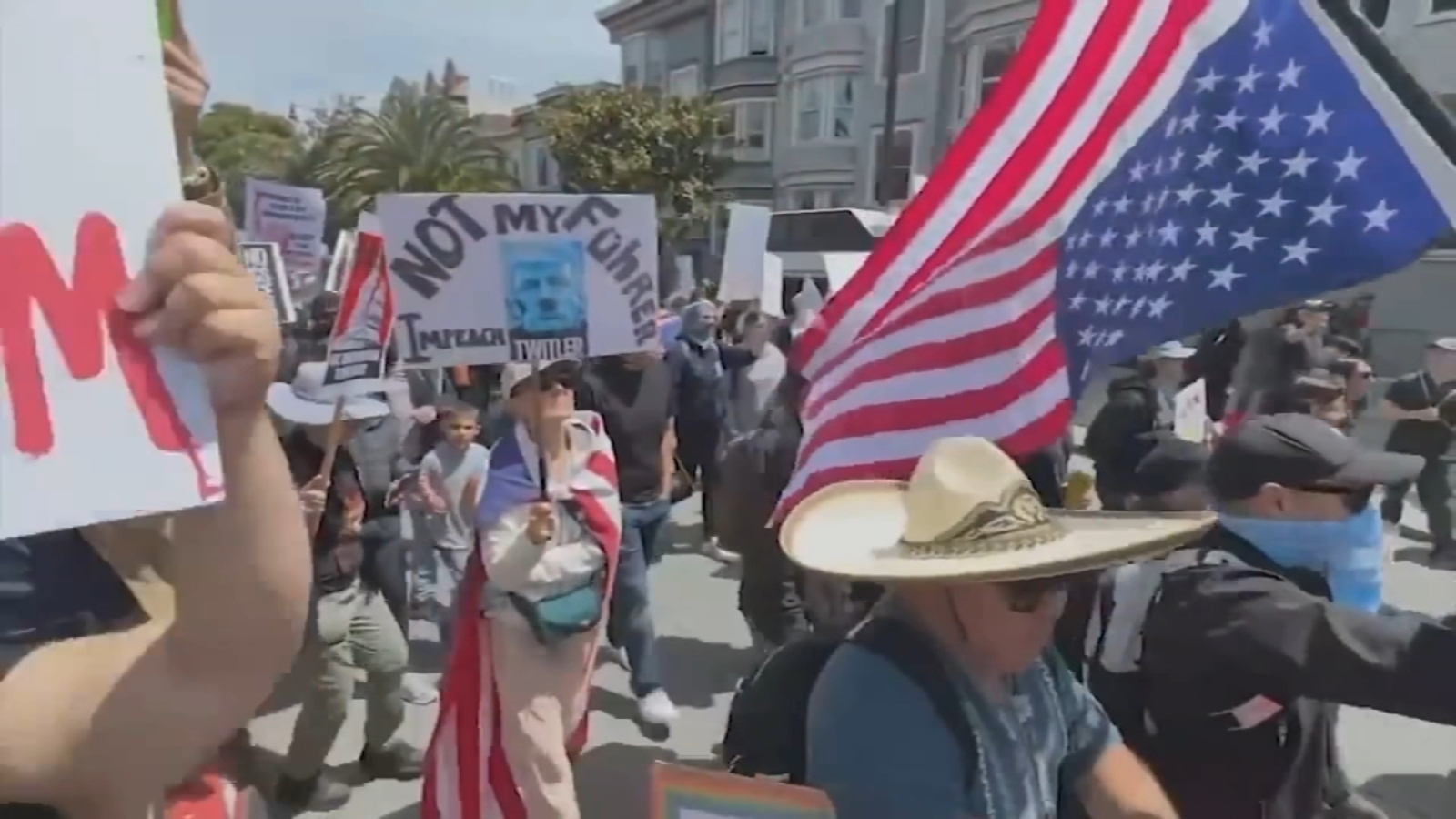
San Francisco businesses are split over the May Day economic blackout, with some such as Vesuvio Cafe, Arizmendi Bakery, the Oakland Museum of California, and a Chinatown travel agency closing, while others remain open. The article highlights a politically driven decision that could modestly affect Friday foot traffic and sales for bars, restaurants, and small retailers, but it does not indicate a broader market-moving development.
This is not a direct macro shock, but it is a useful read on neighborhood-level demand elasticity in a still-fragile urban consumer base. The real signal is that “cause-driven closure” has uneven adoption, which should widen the operating dispersion between destination venues with loyal traffic and small-format operators that depend on one high-traffic day to cover fixed costs. In practice, the losers are the same businesses already most exposed to labor-cost inflation: low-margin bars, cafés, travel agencies, and small retail with limited pricing power.
The second-order effect is reputational rather than immediate revenue: selective closures can strengthen customer affinity among politically aligned cohorts, but repeated use of the tactic risks habituating consumers to substitute elsewhere. That creates a medium-term advantage for chains and larger hospitality groups with more stable hours, digital ordering, and broader brand recognition, while independent operators may see more volatility in weekend traffic. If these actions become more frequent, the bigger winner is not a protest-aligned shop but the nearby competitor that stays open and captures displaced footfall.
The key risk is that this is a one-day event with limited direct market impact, so any trade that overreacts to it will likely mean-revert quickly. The more durable catalyst would be if the boycott behavior spreads into recurring labor actions, citywide service disruptions, or a consumer confidence hit in urban cores over the next 1-3 months. Absent that, the best setup is to fade the idea that politically motivated closures translate into sustained category-wide weakness.
Contrarian take: the market should not extrapolate “consumer activism” into broad retail softness; the more important variable is local income and tourism traffic, not protest participation. The underappreciated angle is that such events can actually strengthen demand for bars, restaurants, and travel brands with flexible staffing and strong local brand equity, while independent operators absorb the opportunity cost.
AI-powered research, real-time alerts, and portfolio analytics for institutional investors.
Request DemoOverall Sentiment
neutral
Sentiment Score
-0.05
