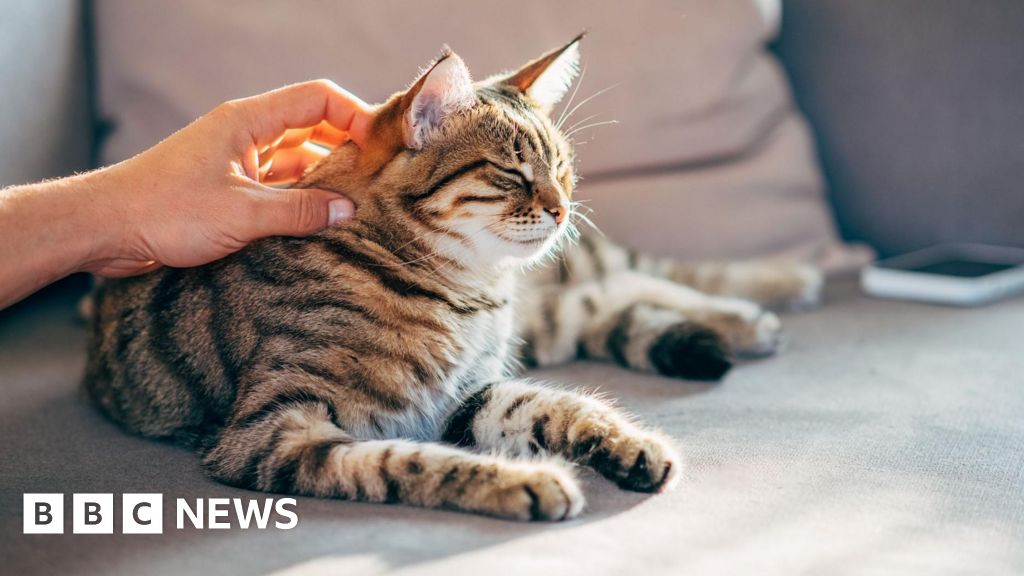
An international team led by the Wellcome Sanger Institute published the first detailed genetic map of cancer in pet cats, sequencing tumour DNA from nearly 500 domestic cats and examining roughly 1,000 genes across 13 cancer types. The study found many driver mutations mirrored in humans and highlights cats' higher incidence of triple-negative breast cancer, suggesting comparative oncology insights and expanded sample access that could inform drug discovery and prevention strategies; the work appears in Science but carries limited immediate commercial market impact.
Market structure: The finding expands addressable markets for animal-health and sequencing incumbents — primary beneficiaries include veterinary diagnostics and pharma-tailored platforms (e.g., Zoetis ZTS, IDEXX IDXX, Illumina ILMN and Thermo Fisher TMO). Human oncology franchises working on triple‑negative breast cancer (Gilead GILD, Merck MRK, Roche RHHBY) gain a lower‑cost translational model; small preclinical CROs without comparative oncology assets are disadvantaged. Expect modest reallocation of R&D spend over 12–36 months toward comparative oncology partnerships rather than immediate revenue rerating. Risk assessment: Tail risks include translational failure (cat biomarkers not predictive of human outcomes), IP/legal constraints on pet genomic data, and ethical/regulatory pushback — low probability but high impact for valuations if realized. Immediate market move is negligible (days); short term (3–12 months) depends on partnership/M&A announcements; long term (2–5 years) potential pipeline value if biomarkers convert to human trials. Hidden dependencies: sample diversity, proprietary datasets, and cross‑species regulatory alignment. Trade implications: Direct plays favor overweighting animal‑health and diagnostics: allocate +150–300 bps to ZTS/IDXX over 12–24 months and buy sequencer exposure via ILMN 12‑month call spreads (buy ATM, sell 25% OTM) sized 0.5–1.0% portfolio to limit premium. Pair trade: long ZTS (2%) / short IBB (1.5%) to hedge human‑biotech idiosyncratic risk. Entry: establish vet‑health positions now; layer into sequencer exposure on confirmed pharma partnerships within 3–6 months. Contrarian angles: Consensus underestimates commercialization speed for comparative‑oncology data — valuations for animal‑health names have not priced a new oncology revenue stream (potential +10–25% upside). Conversely, reaction could be overdone if large pharmas conclude feline models are non‑predictive, producing downside; historical parallel: canine oncology drove diagnostics adoption but few blockbuster human drugs. Watch for commoditization of sequencing services and data‑ownership disputes as key risks.
AI-powered research, real-time alerts, and portfolio analytics for institutional investors.
Request DemoOverall Sentiment
mildly positive
Sentiment Score
0.22
