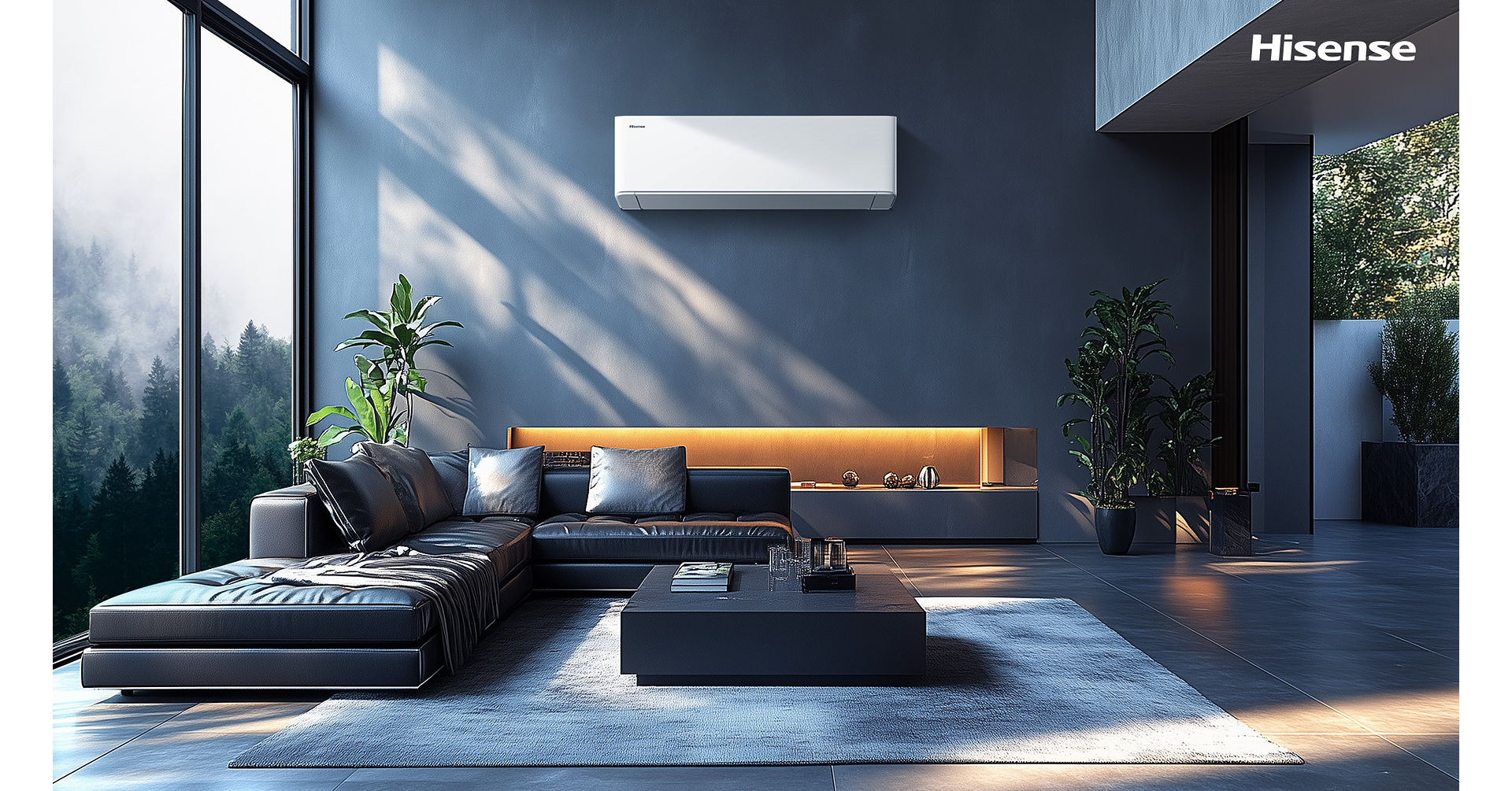
Hisense poinformował, że w I poł. 2026 r. przychody ze sprzedaży klimatyzatorów w Europie Zachodniej wzrosły o blisko 20% r/r, a na rynku francuskim wzrost przekroczył 100%. Spółka wiąże momentum z serią Uni (łatwiejszy montaż/Quick filter) oraz modelami takimi jak Air Master AC z technologią Smart Eye Pro, klasą efektywności energetycznej A+++ i niskim poziomem hałasu 18 dB. To wspiera narrację o rosnącym popycie na energooszczędne i łatwe w instalacji rozwiązania chłodzące wśród europejskich gospodarstw domowych.
This reads less like a one-off product push and more like evidence that the European residential AC market is shifting from a discretionary appliance category to a semi-infrastructure upgrade cycle. The key mechanism is not unit growth alone but mix: easier installation and A+++ efficiency lower the adoption friction for apartments and rentals, where the traditional installer bottleneck has capped penetration. If that dynamic is real, margin pool migrates away from legacy OEMs that rely on premium brand equity and toward vendors that own the channel, software, and install simplification.
The second-order loser set is broader than direct AC competitors. Local installers and smaller regional brands with weaker logistics may see share leakage as consumers favor “plug-and-play” systems, while distributors with high attach rates to energy-efficient models should benefit. A colder macro or cheaper electricity would slow the upgrade thesis, but the bigger risk is that this is being amplified by temporary channel restocking after a warm start to the season; the France figure is especially likely to be a low-base/availability effect rather than a clean read-through on durable demand.
Contrarian takeaway: the market may be underestimating how quickly energy-efficiency standards and rental-housing constraints can shorten replacement cycles in Europe, but it may also be overestimating Hisense’s ability to defend share once incumbents respond with promotions and installer subsidies. The right watch item is not the headline revenue growth, but whether repeat sell-through remains above the market after peak cooling season and whether gross margin holds as competitors match the simplified-install proposition. A reversal would show up first in distributor inventory and then in channel pricing, typically within 1-2 quarters.
AI-powered research, real-time alerts, and portfolio analytics for institutional investors.
Request DemoOverall Sentiment
mildly positive
Sentiment Score
0.35
