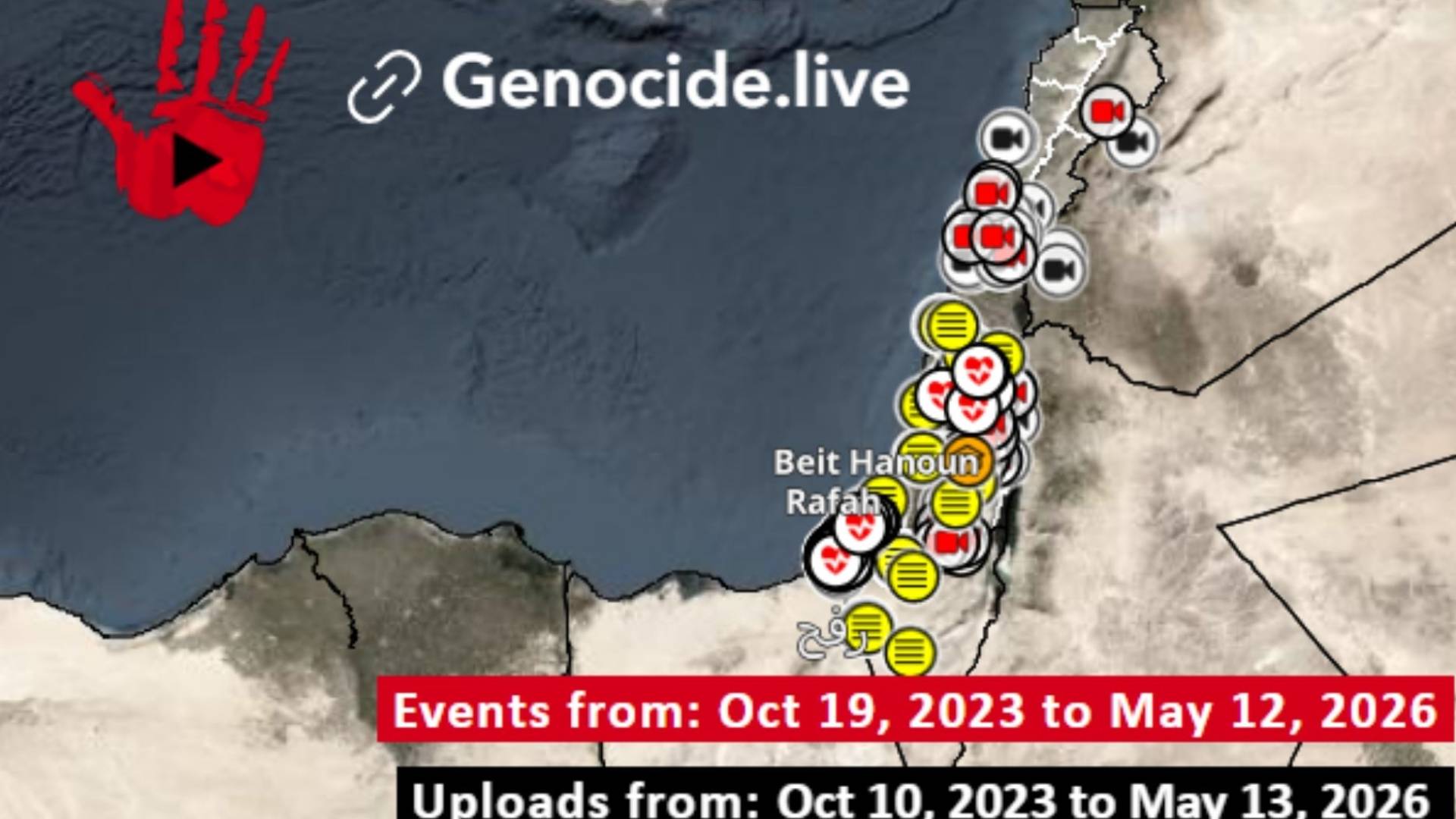
Genocide.live has archived nearly 19,899 open-source entries, positioning itself as a searchable evidence repository for alleged war crimes and conflict incidents. The platform highlights recent documentation tied to the Global Sumud Flotilla detentions, strikes on journalists, and alleged attacks on rescue teams, while emphasizing that its crowdsourced records still require external verification. The article is primarily about conflict documentation and digital evidence preservation, with limited direct market impact.
This is less a market event than a structural shift in the evidentiary layer of war: once conflicts are machine-indexed, the cost of reputational damage, sanctions, and litigation falls sharply. The immediate beneficiaries are not defense contractors but the ecosystem around compliance, digital forensics, content moderation, and secure archiving—because any party exposed to conflict-adjacent supply chains now faces a higher probability of searchable, timestamped, attribution-ready evidence.
The second-order effect is that the information asymmetry compresses faster than the legal cycle. Even if formal rulings take months or years, the market impact can arrive in days through NGO campaigns, university divestment pressure, procurement reviews, and advertiser pullbacks. That creates a non-linear risk for firms with hidden exposure to dual-use logistics, maritime services, satellite imagery, cloud hosting, or platform trust-and-safety workloads.
The contrarian read is that the archive itself may increase the probability of de-escalation rather than escalation: when actions become harder to deny, actors often reduce operational aggressiveness at the margin. That would cap upside for “crisis-duration” trades and favor beneficiaries of compliance spending over pure conflict-duration hedges. The biggest mispricing is probably in assuming this is only a geopolitics story; it is also a data-governance and evidence-preservation story that can sustain revenue for years.
Tail risk is regulatory blowback: platforms hosting or indexing this material may face takedown pressure, privacy claims, or jurisdictional disputes, which could impair distribution but also validate the archive’s importance. Near-term catalysts are legal filings, sanctions designations, journalist/NGO amplification, and any confirmed chain-of-custody use in proceedings. Over 6-18 months, the key question is whether this becomes a repeatable template for other conflicts, turning open-source evidence infrastructure into a durable category.
AI-powered research, real-time alerts, and portfolio analytics for institutional investors.
Request TrialOverall Sentiment
moderately negative
Sentiment Score
-0.20
