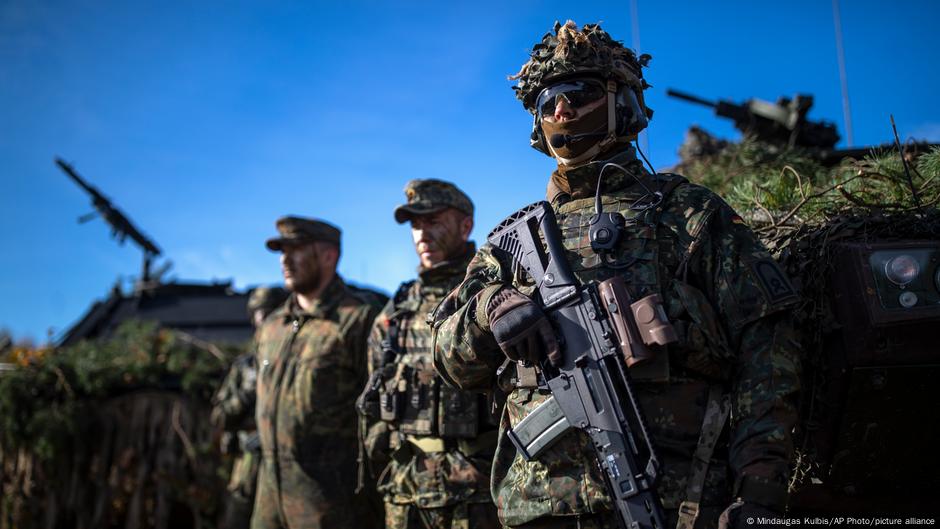
Germany is engaged in a contentious internal debate regarding its potential contribution of troops to an international peacekeeping force in Ukraine, a discussion contingent on future peace negotiations. Despite Chancellor Merz's stated interest in German involvement, the proposal faces significant domestic opposition from coalition partners, the public (51% against), and within his own party, citing Bundeswehr capacity limitations and historical concerns. This internal division, coupled with Russian Foreign Minister Lavrov's rejection of European forces and widespread skepticism about Russia's current readiness for genuine peace talks, underscores the profound political and logistical complexities surrounding any future security architecture for Ukraine.
Germany is facing a significant and contentious internal political debate over its potential participation in a future peacekeeping force in Ukraine. While Chancellor Friedrich Merz has signaled Germany's "keen interest and a great responsibility to participate," this position is met with substantial domestic opposition. A Civey poll indicates 51% of the public is against such a deployment, and key political figures, including the SPD coalition partners and members of Merz's own CDU party, have expressed strong reservations. Concerns are both political and practical, with Foreign Minister Johann Wadephul noting that a mission in Ukraine would "probably overwhelm" the already strained Bundeswehr. The international context further complicates the matter, as Russian Foreign Minister Sergey Lavrov has deemed the deployment of European forces "completely unacceptable," and influential observers like Wolfgang Ischinger see "not a single indication" that Russia is prepared to end the war. The moderately negative sentiment and low market impact score reflect that while this debate highlights geopolitical friction and German political division, any actual deployment is viewed as a distant, highly uncertain event contingent on a peace process that is not yet in sight.
AI-powered research, real-time alerts, and portfolio analytics for institutional investors.
Request DemoOverall Sentiment
moderately negative
Sentiment Score
-0.50
