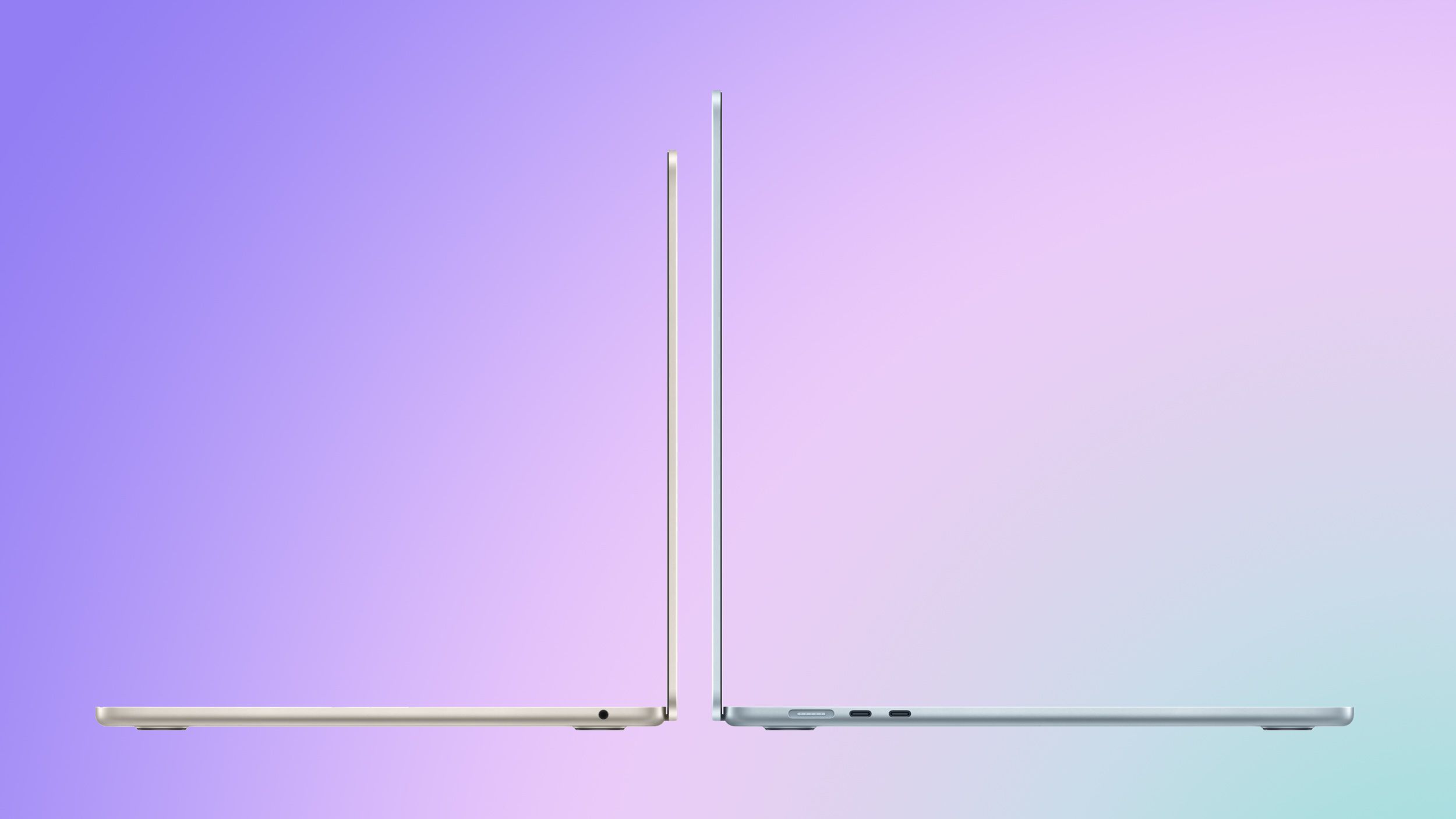
Apple’s new M5 MacBook Air starts at $1,099 for the 13-inch model and $1,299 for the 15-inch, a $100 increase versus the prior M4 equivalents, but base storage doubles from 256GB to 512GB and wireless upgrades to Wi‑Fi 7 and Bluetooth 6. The M5 also brings meaningful AI and GPU gains, including up to 15% faster multithreaded CPU performance, up to 30% faster graphics, and 4×+ peak GPU compute for AI workloads. The update is favorable for new buyers and AI-heavy workflows, but it is more of a product refresh than a market-moving event.
This is less a consumer-upgrade story than a margin-protection and mix-move story for Apple. By forcing a higher entry price while doubling base storage, Apple is nudging buyers into a higher ASP without relying on a true hardware redesign, which should support gross margin per unit even if unit demand is flat to slightly softer. The more important second-order effect is category segmentation: the Air is becoming the default "good enough" AI-capable Mac for mainstream users, while pushing more performance-sensitive buyers toward Pro products and preserving premium ladder pricing.
The AI-specific gains matter because they create a visible on-device differentiation just as local inference becomes a purchase criterion for prosumers and small teams. That should modestly improve replacement demand over the next 12-24 months as buyers start valuing memory bandwidth, NPU-like GPU acceleration, and display/external monitor flexibility more than raw CPU benchmarks. The risk is that Apple may be over-monetizing a feature set that most users do not yet feel, which can compress unit elasticity in education and entry-level segments if competitors bundle larger RAM/storage at lower price points.
TSM is the quieter beneficiary: moving to a newer 3nm node with tighter performance-per-watt reinforces Apple’s foundry pull-through and keeps TSMC at the center of every high-end client’s roadmap. The concern is not demand for this chip cycle, but whether the market starts to normalize higher expectations for every Apple refresh; if the Air line gets priced like a mini-Pro without a commensurate software workload jump, the consumer reaction could become more selective by the next upgrade cycle. Near term, the catalyst is launch-season mix and channel inventory; over months, the test is whether Apple can translate AI-forward messaging into higher attach and lower churn rather than just higher sticker prices.
AI-powered research, real-time alerts, and portfolio analytics for institutional investors.
Request DemoOverall Sentiment
mildly positive
Sentiment Score
0.35
Ticker Sentiment
