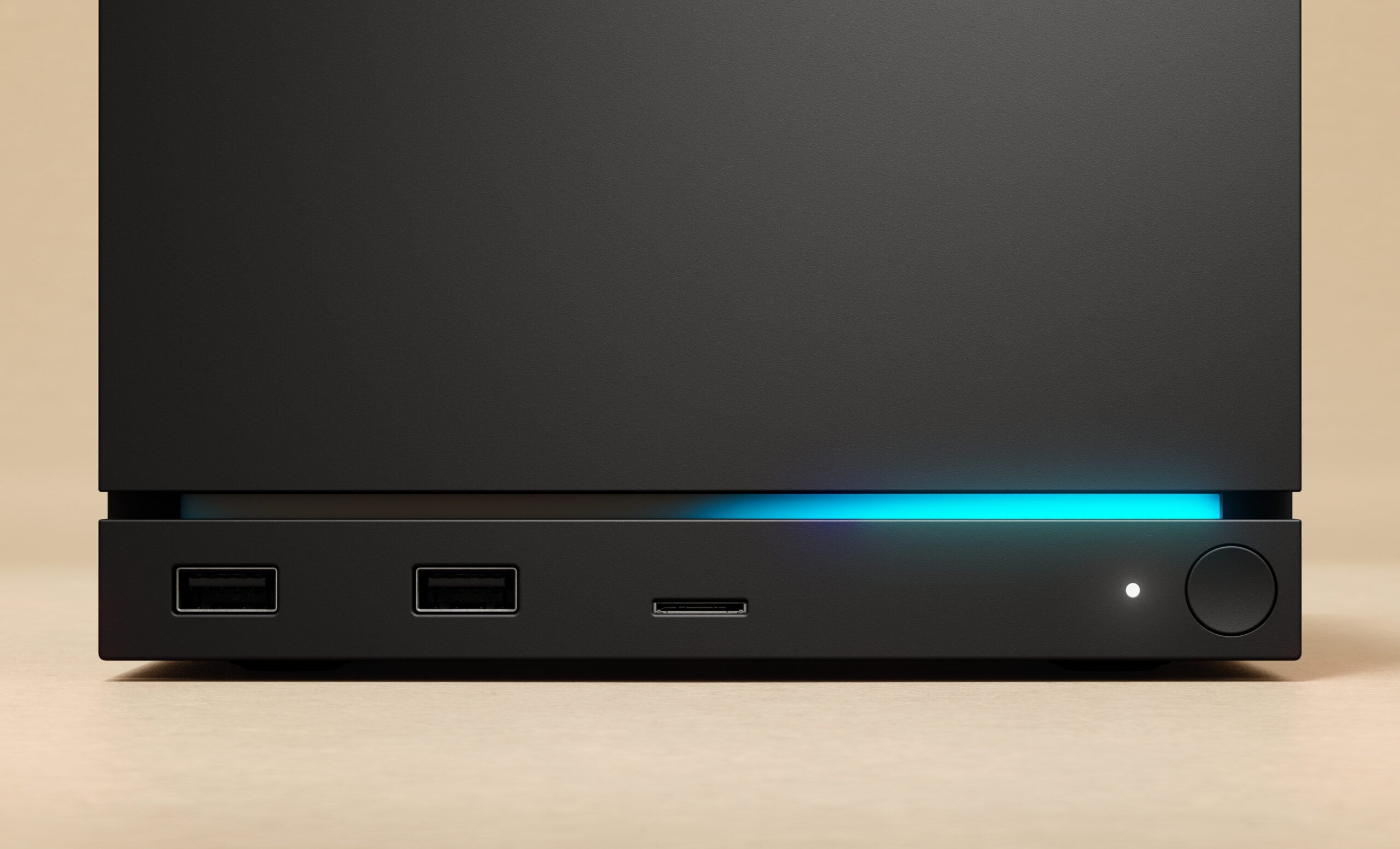
Valve confirmed Steam Machine and Steam Frame are shipping in summer 2026, narrowing the prior vague 2026 window and expanding its Verified program to cover both devices. Valve also said titles that run well on Steam Deck should run well on Steam Machine by default, reducing developer uncertainty around compatibility. The launch update is constructive, though pricing remains undisclosed and memory costs have risen sharply, with DRAM contract prices up more than 170% year over year.
Valve’s update matters less for gaming demand than for what it signals about PC economics: a consumer hardware launch is now being used as a live barometer for memory inflation. If management is effectively anchoring pricing to “build-a-PC” equivalence, then margin protection will likely come from either lower launch volumes or a narrower spec/configuration mix, not aggressive discounting. That creates a subtle but important read-through: near-term upside may accrue more to component vendors with pricing power than to the platform itself, while any disappointment in launch pricing could simply defer demand rather than destroy it.
The second-order effect is competitive. A summer 2026 launch gives the ecosystem a long runway to optimize for the devices, which should strengthen Steam’s distribution moat and increase the odds that PC-native games are built to the lowest common denominator of handheld/TV performance. That is bearish for smaller premium-publisher titles that rely on friction-heavy optimization or launcher fragmentation, because smoother out-of-box compatibility makes the Steam layer more dominant as a default storefront. It also nudges the market toward a “good enough hardware, better software” loop that favors Valve’s platform economics over traditional console-margin models.
The key risk is that the memory cycle worsens before pricing is set. With DRAM still in a sharp uptrend, any further spike over the next 3-6 months could force Valve to re-architect the bill of materials, delaying launch or compressing ASP expectations. Conversely, if memory tightness eases into early 2026, the market may be underestimating how quickly a reasonably priced device can become accretive to Steam engagement metrics and software monetization.
Contrarian view: the consensus is likely overfocusing on whether the hardware is a success unit-by-unit, when the more important question is whether it expands Steam’s addressable surface area. Even modest shipments could be enough to normalize couch-PC gaming and lift attach rates across the ecosystem. The real upside asymmetry is not in the box itself but in the forced re-rating of Steam as a broader operating layer for PC entertainment.
AI-powered research, real-time alerts, and portfolio analytics for institutional investors.
Request DemoOverall Sentiment
mildly positive
Sentiment Score
0.15
