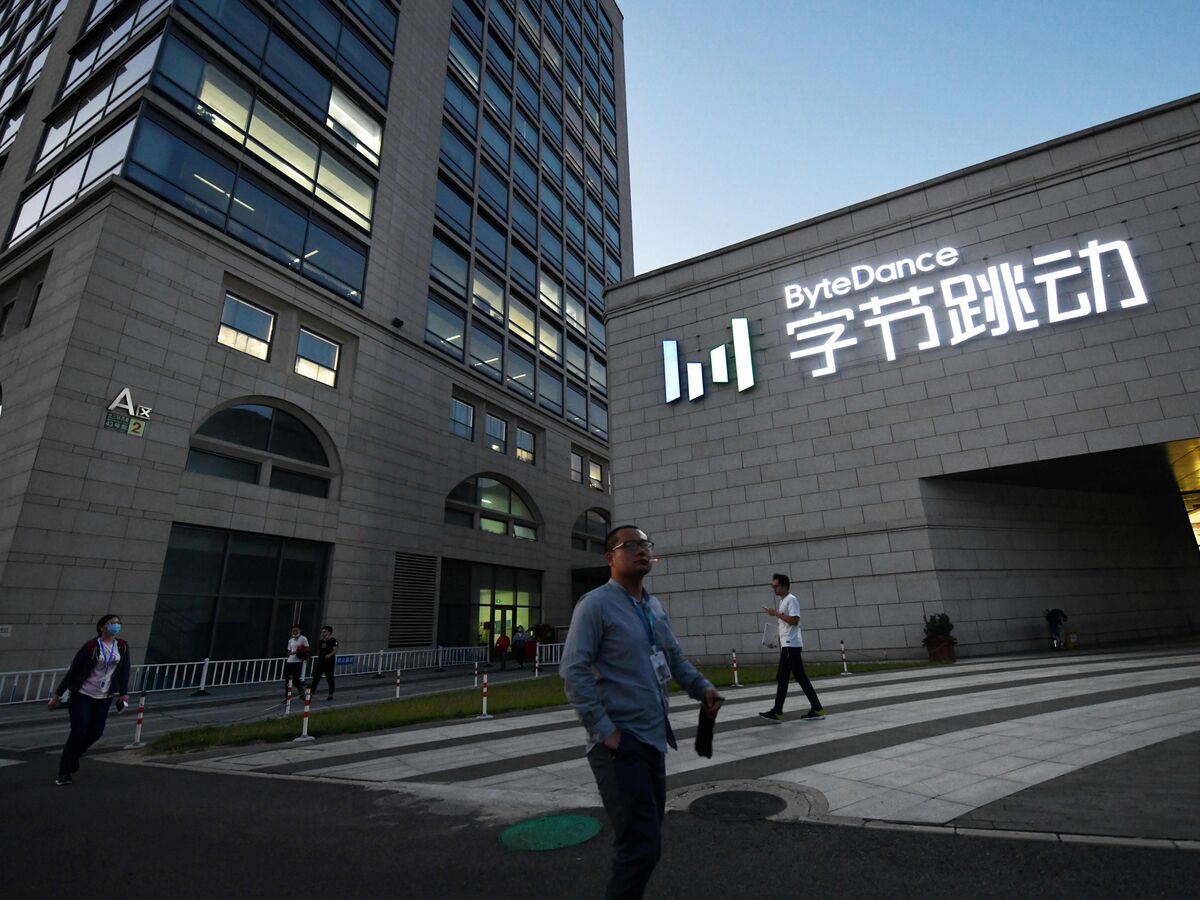
Microsoft has built a sizable AI business in China, with ByteDance reportedly its largest customer and on track to spend more than $1 billion a year on Microsoft AI and cloud services. The article highlights continued demand for OpenAI models despite rising US-China tensions and potential export-control scrutiny. The news is supportive for Microsoft’s AI monetization story, though the geopolitical backdrop adds some risk.
The key read-through is that MSFT is monetizing a geopolitical wedge rather than just selling compute. If Chinese buyers are willing to route AI demand through a US platform, Microsoft effectively becomes a toll collector on model access, cloud consumption, and enterprise workflow lock-in, while also gaining optionality on which workloads migrate to its own stack over time. The second-order winner is Microsoft’s platform economics: model usage tends to pull ancillary Azure consumption, so the revenue quality can improve faster than headline growth suggests.
The less obvious competitive effect is that this could pressure domestic Chinese AI vendors on both price and perceived capability. If top-tier Chinese firms are comfortable paying for frontier US models through an intermediary, smaller local players may be forced into a low-margin services race or lose relevance in high-value applications. That said, this also invites policy scrutiny from both sides, and the main risk is not demand but policy shock: export-control tightening, customer sanctions, or a forced unwind of cross-border AI dependencies could hit sentiment quickly, even if revenue takes months to roll over.
For MSFT, this is a medium-term positive for durable platform share, but the market may be underpricing geopolitical fragility. The upside case is that AI becomes an annuity-like enterprise service embedded in Chinese productivity spend; the downside is a sudden regulatory freeze that compresses the multiple before any fundamental impact shows up. The trade setup should therefore emphasize owning the cash-flow winner while hedging headline risk rather than betting outright on a frictionless expansion.
Contrarianly, the consensus may be too focused on the US-China conflict and not enough on customer behavior: enterprise buyers usually optimize for performance and reliability first, and if Microsoft is the best conduit to frontier models, demand can persist even under increasing political noise. The bigger medium-term question is whether this is a temporary routing of spend or the beginning of a durable cross-border AI distribution layer, which would be materially more valuable than a one-off services win.
AI-powered research, real-time alerts, and portfolio analytics for institutional investors.
Request DemoOverall Sentiment
mildly positive
Sentiment Score
0.20
Ticker Sentiment
