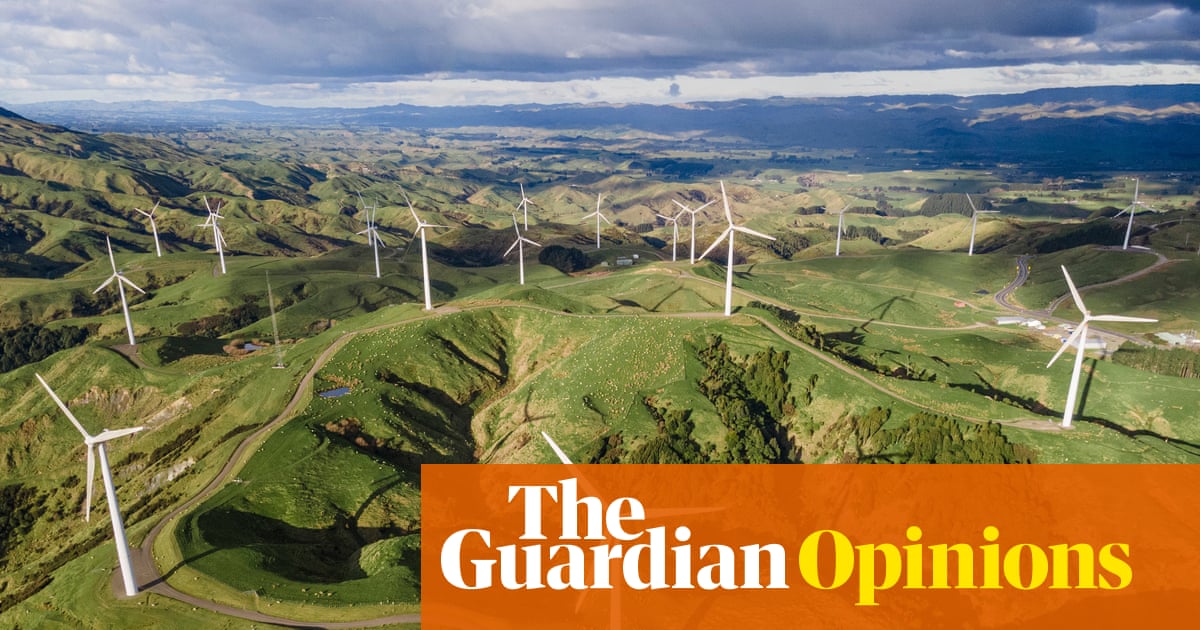
The Iran-Hormuz conflict is intensifying fears of prolonged oil and gas supply disruption, with nearly 40 countries already taking emergency action as energy costs surge. The article argues this shock is accelerating a structural shift toward renewables, electric vehicles, batteries, solar, wind, and nuclear, with India, Vietnam, Pakistan, and South Korea cited as examples. The near-term macro impact is negative, but the medium-term implication is a faster global move away from fossil fuels.
The immediate market read-through is not just higher volatility in crude, but an acceleration in the capex cycle for electrification and grid hardware. The key second-order effect is that energy insecurity changes the hurdle rate for policy: countries that previously treated renewables as a climate preference will now frame them as strategic infrastructure, which supports multi-year demand for solar, storage, transmission, and domestic power equipment. That shifts marginal capital away from LNG import buildouts and toward distributed generation, especially in markets where households can self-fund backup power to avoid tariff shock.
The biggest loser is the middle layer of the energy value chain: LNG terminal developers, gas traders, and import-dependent utilities that are exposed to price spikes without much pricing power. Emerging-market consumers face the sharpest demand destruction, which can cascade into weaker discretionary spend, rising delinquencies, and slower industrial activity over the next 1-3 quarters. On the flip side, Chinese manufacturers of panels, batteries, inverters, and lower-cost EVs gain export pull and political leverage, because this shock widens the gap between cheap clean substitutes and imported hydrocarbons.
The contrarian risk is that the clean-energy trade may already be crowded, and the market could be over-discounting a straight-line substitution story. In the near term, a diplomatic de-escalation or a credible supply rerouting through strategic reserves would quickly cool the oil spike, while high interest rates still constrain utility-scale project economics. So the cleaner expression is not a pure beta long, but a relative-value trade focused on beneficiaries of accelerated adoption versus assets that need uninterrupted fossil fuel logistics to justify their returns.
The broader setup is years, not weeks: once households and governments invest in electrification and backup power, the behavior change is sticky. Even if crude retraces, the crisis has likely raised the perceived option value of energy autonomy, which should sustain policy support and capex into 2026. That argues for positioning in names with actual delivery capacity and pricing power, not just thematic exposure.
AI-powered research, real-time alerts, and portfolio analytics for institutional investors.
Request DemoOverall Sentiment
mildly positive
Sentiment Score
0.15
