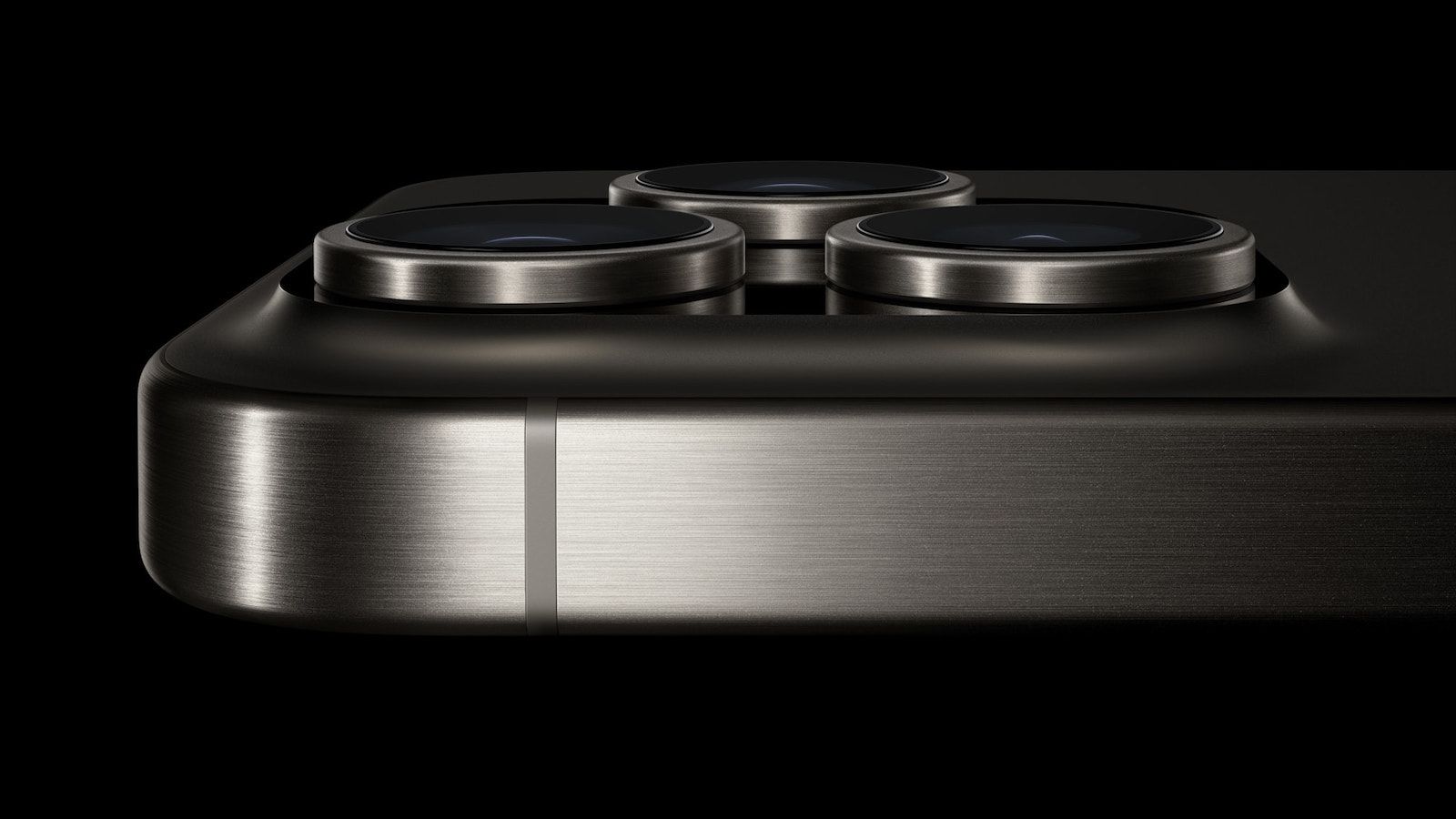
Apple’s Pro iPhone models are unlikely to return to titanium soon, with aluminum now viewed as the practical frame material because of local AI heat dissipation requirements. The iPhone 17 Pro is expected to use an aluminum unibody, and the iPhone 18 Pro is also expected to retain that design, pushing any material change to 2027 or later. The article suggests Apple has explored liquid metal and revised titanium alloys, but aluminum appears entrenched for the foreseeable future.
This is less about chassis aesthetics and more about Apple implicitly admitting that on-device AI changes the thermal stack from a design preference to a systems constraint. If aluminum remains the default through the next cycle, the second-order implication is that Apple’s near-term AI roadmap is still bounded by power density and sustained performance, which raises the odds of more conservative feature rollout, heavier reliance on cloud offload, and more emphasis on software optimization over silicon bragging rights. That should temper expectations for a sudden step-change in “Apple Intelligence” monetization over the next 6-12 months.
From a competitive standpoint, the more important signal is that thermal management is becoming a platform-wide design bottleneck, not a one-off Apple issue. That creates a relative advantage for suppliers that improve heat spreading, vapor chambers, thermal interface materials, and advanced packaging, while keeping the burden on handset OEMs to accept less premium materials if they want meaningful local AI. The market may be underestimating how many downstream bill-of-material decisions get pulled forward when AI features are marketed as on-device and always-on.
For Apple, the near-term risk is not a product cycle miss but a margin/ASP tradeoff: premium material downgrades can be framed as invisible to consumers, yet they constrain differentiation and keep the company from using hardware as a visible proof point for AI leadership. The longer-dated catalyst is whether foldables or a redesigned thermal architecture force a bigger materials change in 2027+, but that is too far out to support a near-term rerating. The contrarian view is that this is slightly bearish on the narrative, but not on fundamentals: if aluminum enables better sustained performance and fewer overheating complaints, the market may ultimately reward reliability over materials prestige.
AI-powered research, real-time alerts, and portfolio analytics for institutional investors.
Request DemoOverall Sentiment
neutral
Sentiment Score
-0.05
Ticker Sentiment
