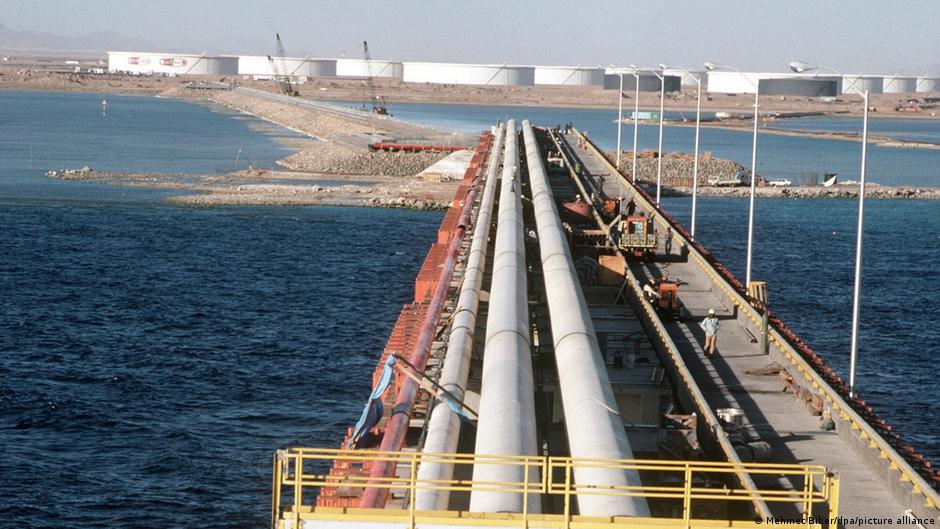
The Iran war has disrupted roughly 15 million barrels per day of crude flows through the Strait of Hormuz, prompting Gulf states and international agencies to accelerate bypass infrastructure. Saudi Arabia’s existing pipeline is already at 7 million bpd and the UAE is moving 1.8 million bpd to Fujairah, but experts say pipeline capacity would need to roughly double to replace prewar Hormuz exports. The article highlights new regional pipeline and rail projects as a long-term de-risking response, with broad implications for global oil supply and energy security.
The market is likely underpricing how quickly capital will re-route around Hormuz even if the geopolitical premium in crude remains elevated. The first-order read is higher oil volatility, but the bigger second-order effect is a structural cap on the strategic value of any future blockade: every incremental mile of bypass capacity reduces the leverage of a renewed closure and compresses the tail risk embedded in prompt spreads. That means the long-duration beneficiaries are not the crude barrels themselves, but the infrastructure owners, EPCs, and logistics networks that monetize redundancy rather than spot prices.
The key asymmetry is time. New Gulf bypass capacity can be added in years, not months, so this does not solve near-term supply risk; it merely shortens the window during which a single chokepoint can shock global inventories. That favors assets tied to project execution and toll economics over directional commodity exposure, because the market will likely fade headline-driven oil spikes faster than it will rerate multi-year capex pipelines with contracted throughput. It also creates a relative winner in diversified exporters with spare non-Hormuz optionality, while import-dependent refiners and chemical names remain vulnerable to intermittent freight and feedstock disruption.
The underappreciated contrarian point is that the more successful the bypass buildout becomes, the more it weakens the long-run scarcity premium for Gulf crude and the more it shifts bargaining power toward buyers. In other words, a de-risked Hormuz is bearish for volatility, bullish for infrastructure, and only temporarily bullish for crude. The main reversal catalyst is either a diplomatic de-escalation that rapidly collapses the risk premium, or a failure to fund/permit cross-border projects, which would keep the chokepoint premium alive and punish any early shorts in oil volatility.
AI-powered research, real-time alerts, and portfolio analytics for institutional investors.
Request DemoOverall Sentiment
moderately negative
Sentiment Score
-0.35
