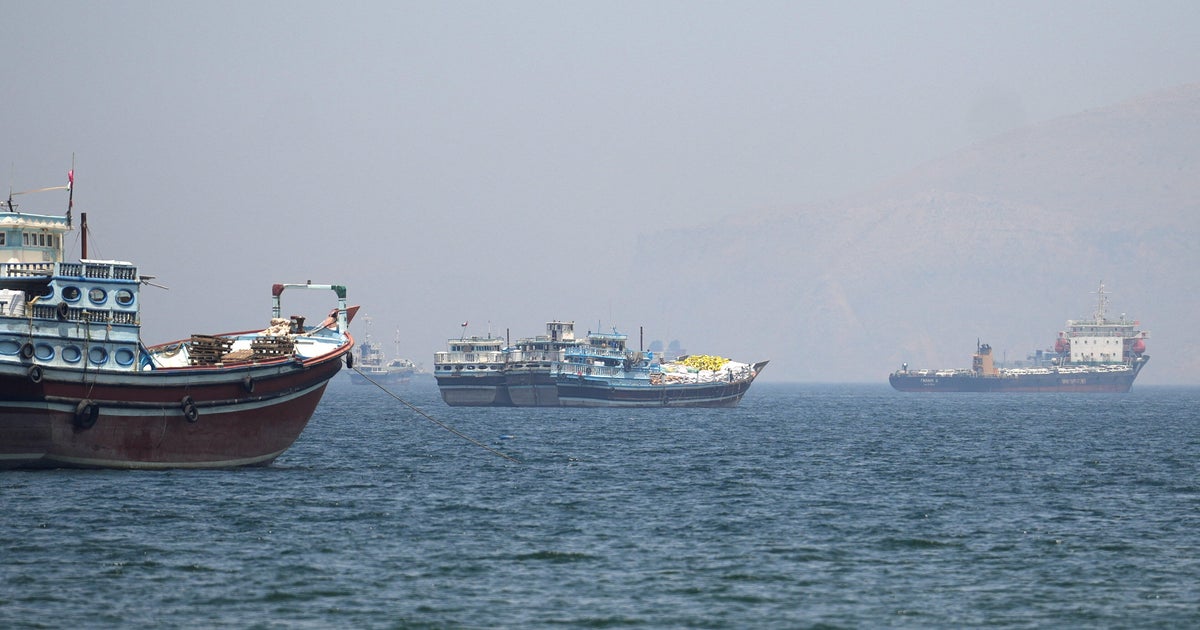
The Iran war is escalating economically and geopolitically, with the U.S. blockade reportedly forcing 39 vessels to turn around and Tehran threatening to target the Bab el-Mandeb strait if pressure continues. Brent crude is near $115 and U.S. gasoline has risen to $4.23 per gallon, while Iran's rial hit a record low around 1.80 million per dollar. The article also cites worsening humanitarian and security fallout, including more than 1.2 million people in Lebanon facing acute hunger and Iran's warning of "unprecedented military action" if the blockade persists.
The market is still underpricing the probability that the conflict broadens from a Hormuz problem into a dual-chokepoint shipping shock. That matters because Bab el-Mandeb is the cleaner transmission mechanism for Europe/Asia freight and insurance repricing: even if Hormuz traffic is partially managed, any Houthi-linked escalation can tighten tanker availability, lift voyage times, and push spot charter rates higher across the whole crude and products complex.
The second-order winner is not just upstream energy; it is the entire “friction premium” stack — marine insurers, tanker lessors, offshore security, and select defense vendors with missile defense or counter-drone exposure. The loser set is broader than airlines and industrials: refiners with weak product cracks, EM importers, and any balance-sheet-sensitive consumer names exposed to a persistent $4+ U.S. gasoline regime will see margin compression faster than consensus expects.
Contrarian view: if the blockade narrative persists without a visible physical interruption, oil can still be vulnerable to a violent mean reversion once traders conclude the supply risk is more coercive than destructive. The key variable is not rhetoric but interdiction durability; if the U.S. can keep forcing turn-backs while avoiding tanker losses, the risk premium may peak before fundamentals do. That creates a tactical window where energy equities can lag crude, especially if equity investors start discounting demand destruction and political pressure for a negotiated off-ramp within weeks.
The cleanest hedge is duration on the shock, not just direction. In the next 2-6 weeks, the asymmetric setup is long transport/dislocation beneficiaries and short high-beta cyclicals with energy input sensitivity; over 1-3 months, watch for any de-escalation signal from mediation channels or a restoration of shipping normalization, which would unwind the premium quickly.
AI-powered research, real-time alerts, and portfolio analytics for institutional investors.
Request DemoOverall Sentiment
strongly negative
Sentiment Score
-0.72
